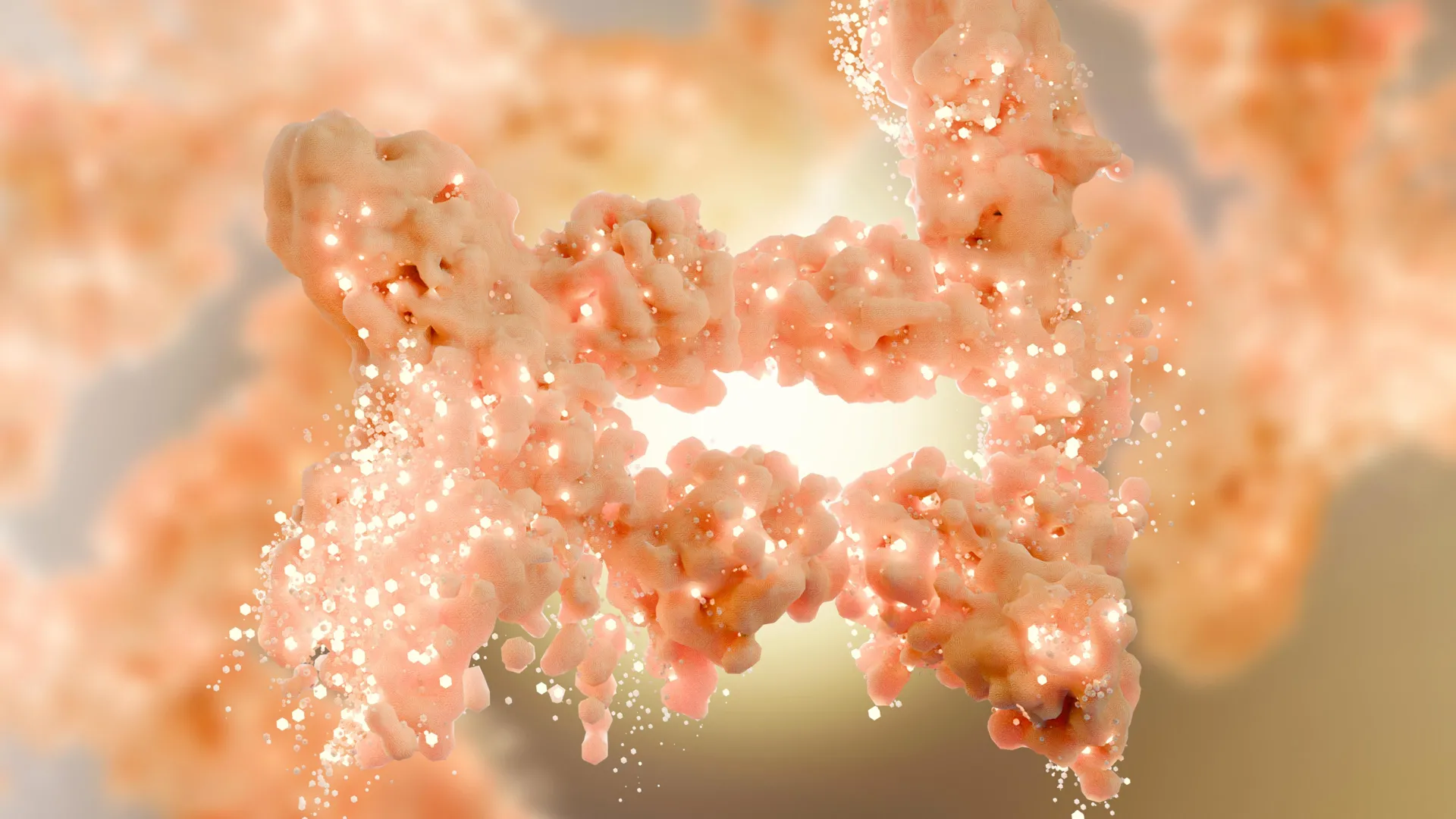
For decades, the scientific community viewed fat cells as simple storage units—biological warehouses that held excess energy until the body needed a fuel boost. Central to this process was a protein known as hormone-sensitive lipase (HSL), long regarded as the primary “emergency switch” that triggered the release of stored fat. However, a new obesity discovery is fundamentally rewriting the textbooks on how our bodies manage fat and metabolic health.
Research has revealed that HSL does not simply operate on the surface of fat droplets to release energy. Instead, this protein performs a critical, second job deep within the nucleus of the fat cell, where it helps maintain the overall health and stability of the cell. This discovery shifts the understanding of HSL from a mere enzyme to a complex regulator of cellular integrity, suggesting that the location of the protein within the cell is just as critical as its presence.
As a physician and journalist, I have followed the evolution of metabolic research closely. The traditional model suggested that if you removed a fat-burning protein like HSL, the body would naturally trap fat, leading to obesity. Yet, clinical observations consistently showed the opposite: individuals with mutations in the HSL gene actually lose fat tissue. This paradox has remained a mystery for years, but the identification of HSL’s nuclear role provides the missing piece of the puzzle.
Beyond the Fuel Switch: The Dual Role of HSL
To understand why this discovery matters, one must first understand the traditional role of hormone-sensitive lipase. In a healthy system, when hormones like adrenaline signal that the body needs energy, HSL moves to the surface of lipid droplets—the small bubbles of fat inside adipocytes (fat cells)—and breaks down triglycerides into free fatty acids that can be used by other organs for fuel.
The new findings, published in the journal Cell Metabolism, demonstrate that HSL also migrates into the nucleus, the cell’s command center where DNA is stored. Once inside the nucleus, HSL associates with nuclear proteins to regulate the genetic activity that keeps the fat cell healthy. Which means HSL is not just a tool for burning fat; it is a guardian of the fat cell’s biological structure.
When HSL is functioning correctly in both the cytosol (the cell’s main body) and the nucleus, the adipocyte can expand and contract healthily to manage the body’s energy needs. When this balance is disrupted, the fat cell becomes dysfunctional, which can trigger a cascade of metabolic failures regardless of whether the person is lean or obese.
Solving the Lipodystrophy Paradox
The most striking aspect of this research is its explanation of lipodystrophy, a dangerous condition characterized by the loss of adipose tissue. For years, researchers were puzzled by why mice and humans missing the HSL protein did not become obese, as the lack of a “fat-burning switch” should theoretically lead to massive fat accumulation.

The study reveals that without HSL’s protective presence in the nucleus, fat cells cannot maintain their health. Instead of storing excess fat, the cells essentially collapse or fail to develop, leading to a systemic loss of fat tissue. This is the hallmark of lipodystrophy. While this might sound like a desirable outcome to those seeking weight loss, it is actually a severe medical condition. Because the body has no healthy place to store fat, lipids leak into other organs, such as the liver and muscles.
This “ectopic fat” deposition leads to severe insulin resistance, type 2 diabetes and cardiovascular complications. The discovery highlights a critical medical truth: the body needs healthy fat tissue to protect the rest of the system from metabolic toxicity. The absence of fat is often just as dangerous as its excess.
The Common Thread Between Obesity and Fat Loss
One of the most significant contributions of this research is the realization that obesity and lipodystrophy, though appearing as opposite ends of the spectrum, share a common underlying cause: malfunctioning adipocytes.
Whether a person has too much fat (obesity) or too little (lipodystrophy), the metabolic result is often the same. When fat cells cannot function correctly—whether due to a lack of nuclear HSL or other genetic and environmental factors—they stop managing the body’s fuel economy efficiently. This dysfunction triggers systemic inflammation and metabolic stress, which are the primary drivers of heart disease and diabetes.
By identifying HSL as a key regulator of adipocyte health, scientists now have a new target for therapeutic intervention. Rather than simply focusing on how to “burn” more fat, future treatments may focus on how to make fat cells healthier and more resilient, ensuring they can safely store lipids without triggering systemic disease.
Key Implications for Metabolic Health
- Redefining Obesity: Obesity is not just about the quantity of fat, but the health and functionality of the fat cells themselves.
- New Therapeutic Targets: Understanding the nuclear pathway of HSL could lead to drugs that stabilize fat cells in patients with metabolic syndrome.
- Lipodystrophy Insights: The research provides a molecular explanation for why certain genetic mutations lead to fat loss rather than gain.
- Cardiovascular Protection: By maintaining healthy adipocytes, the body can prevent the leakage of fats into the heart and liver, reducing the risk of organ failure.
What This Means for the Future of Medicine
This discovery marks a shift toward “precision metabolism.” For years, weight loss has been treated as a matter of calories in versus calories out, or as a hormonal imbalance of appetite. However, the work coming out of the Université de Toulouse suggests that the internal architecture of the fat cell is a primary driver of metabolic disease.

For patients struggling with insulin resistance or rare lipid disorders, this research opens the door to therapies that don’t just target weight, but target cellular health. If scientists can develop ways to mimic the protective effects of nuclear HSL, they may be able to treat the root cause of metabolic dysfunction rather than just managing the symptoms of high blood sugar or high cholesterol.
As we move forward, the focus will likely shift toward imaging and biomarkers that can tell us where HSL is located in a patient’s cells. If the protein is trapped in the cytosol and unable to enter the nucleus, it could serve as an early warning sign for metabolic collapse long before traditional markers like BMI or fasting glucose show a problem.
The next confirmed checkpoint for this line of research will be the transition into translational studies, where researchers will test whether modulating HSL’s nuclear activity can reverse insulin resistance in animal models of lipodystrophy and obesity. These findings are expected to be discussed in upcoming metabolic health symposiums as the community integrates this new “nuclear” understanding of fat science.
Do you think the medical community focuses too much on weight and not enough on cellular health? We welcome your thoughts and professional insights in the comments below. Please share this article to help spread awareness of these emerging metabolic breakthroughs.
Worth a look