
The legal proceedings surrounding the double homicide of two doctoral students at the University of South Florida (USF) have escalated significantly, as Florida prosecutors have formally signaled their intent to seek the death penalty against the primary suspect.
Hisham Saleh Abugharbieh, 26, faces two counts of first-degree murder and several additional charges following a grand jury indictment. The case has drawn international attention not only due to the tragic loss of two promising scholars from Bangladesh but also because of the chilling details emerging regarding the suspect’s alleged use of artificial intelligence to conceal the crimes.
The victims, Zamil Limon and Nahida Bristy, both 27, were PhD students at USF. Their disappearance on April 16 sparked an intensive search that eventually led investigators to a series of gruesome discoveries across the Tampa Bay area. The move by the Hillsborough State Attorney’s Office to pursue capital punishment underscores the severity of the charges and the nature of the evidence gathered by detectives.
The Investigation and the Role of Artificial Intelligence
The investigation into the disappearance of Limon and Bristy took a disturbing turn when detectives uncovered evidence that Abugharbieh, who was Limon’s roommate, allegedly attempted to use ChatGPT to facilitate the disposal of the victims’ bodies. According to investigators, the suspect sought advice from the AI tool on how to “ditch” the bodies to avoid detection.
Forensic evidence found within the shared residence provided a stark contrast to the suspect’s attempts at concealment. Search warrants executed at the apartment revealed blood residue trailing from the kitchen into Abugharbieh’s bedroom, where investigators found the carpet was soaked in blood. Police recovered blood-stained clothing and Limon’s wallet from the building’s trash compactor.
The recovery of the victims was a multi-stage process. Using cellphone location data and license plate reader technology, detectives located Zamil Limon’s body on April 24 near a bridge. Investigators noted that Limon’s body had been bound and suffered multiple stab wounds. Nahida Bristy’s body was recovered two days later, on April 26, from a waterway in Tampa.
Legal Proceedings and Capital Punishment
The decision to seek the death penalty comes shortly after a grand jury indicted Abugharbieh for the murders. In Florida, the pursuit of the death penalty for first-degree murder requires a specific notification process and the presentation of aggravating factors to a jury.
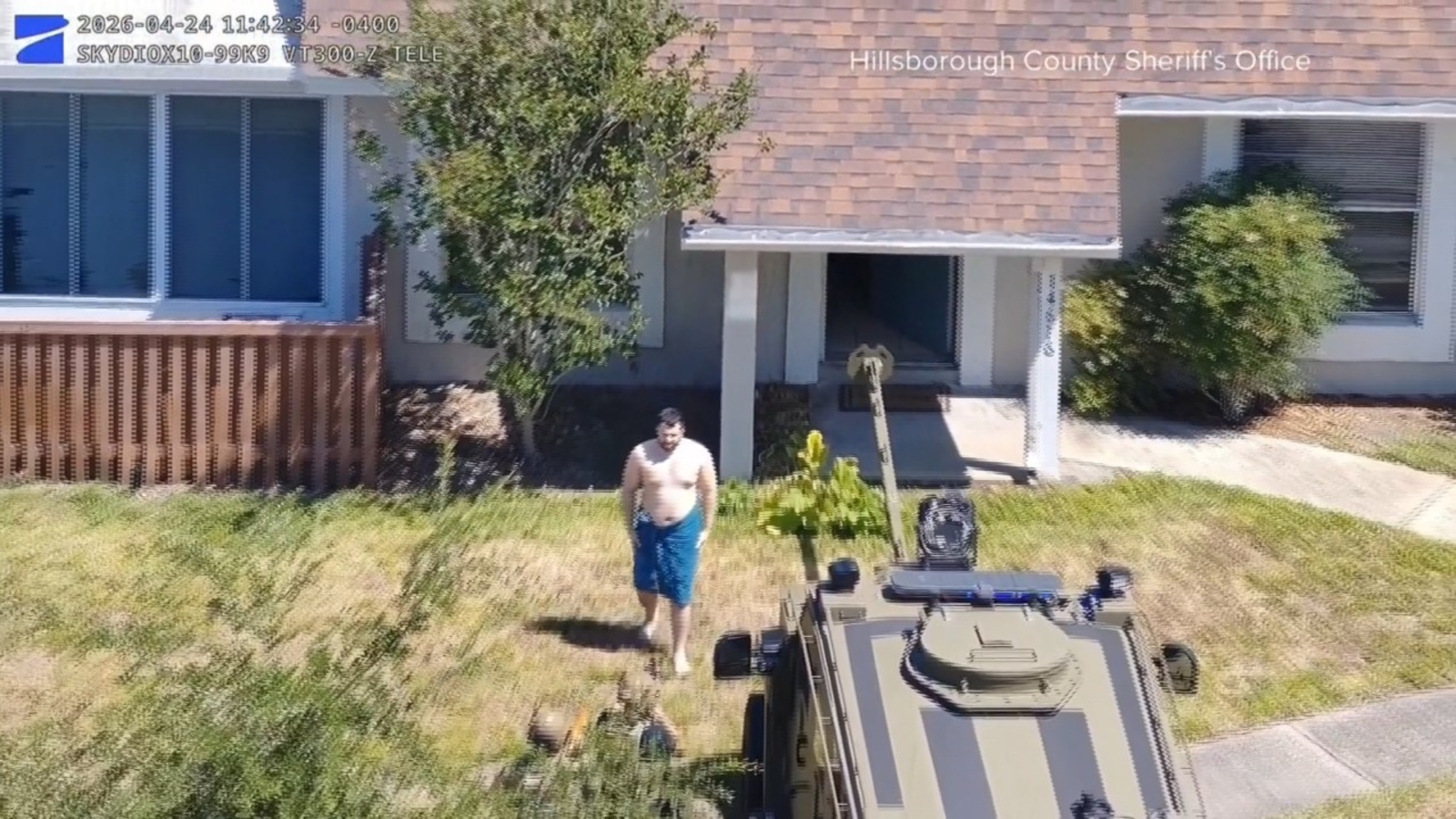
Abugharbieh is currently facing two counts of first-degree murder, alongside various other charges related to the crimes. The Hillsborough State Attorney’s Office filed the notice to seek execution just 24 hours after the grand jury’s indictment, signaling a decisive stance on the case.
During the investigation, prosecutors spoke with the suspect’s mother, Haya Abugharbieh. She reportedly informed authorities that her son had struggled with anger management issues and had a history of being violent toward family members in the past. These details may play a role in the upcoming legal arguments regarding the suspect’s mental state and the premeditated nature of the killings.
Impact on the USF and International Community
The University of South Florida community has been left reeling by the loss of Limon and Bristy. As doctoral students, the pair were part of a global academic exchange, representing the Bangladeshi community’s pursuit of higher education in the United States. The tragedy has cast a shadow over the university’s academic milestones, transforming recent commencement celebrations into bittersweet events for students and faculty.
The case highlights the vulnerability of international students and the profound impact such violence has on both the local campus and the victims’ home countries. The loss of two PhD candidates represents not only a personal tragedy for their families but a loss of intellectual potential and contribution to their fields of study.
The integration of AI into the commission of a crime has also sparked discussions among legal experts and technologists. While AI tools are designed with safety guardrails to prevent the generation of harmful content, this case illustrates the ongoing challenge of preventing the misuse of technology in criminal activities.
Case Timeline and Key Milestones
| Date | Event |
|---|---|
| April 16 | Zamil Limon and Nahida Bristy vanish. |
| April 24 | Zamil Limon’s body is recovered near a bridge. |
| April 26 | Nahida Bristy’s body is recovered from a Tampa waterway. |
| May 2026 | Grand jury indicts Hisham Saleh Abugharbieh. State Attorney seeks death penalty. |
| May 18 | Scheduled arraignment for the suspect. |
As the legal process moves forward, the focus remains on the evidence gathered from the crime scene and the digital footprint left by the suspect. The use of license plate readers and cellular triangulation proved pivotal in locating the victims, reflecting the critical role of modern forensics in solving complex homicides.
The upcoming court dates will determine the trajectory of the trial, including whether the case will proceed toward a plea agreement or a full trial where the death penalty will be weighed by a jury.
The next confirmed legal checkpoint is the suspect’s arraignment, scheduled for May 18, where he will be formally read the charges and enter a plea.
We invite our readers to share their thoughts in the comments section and share this report to keep the global community informed on this developing story.
Related reading