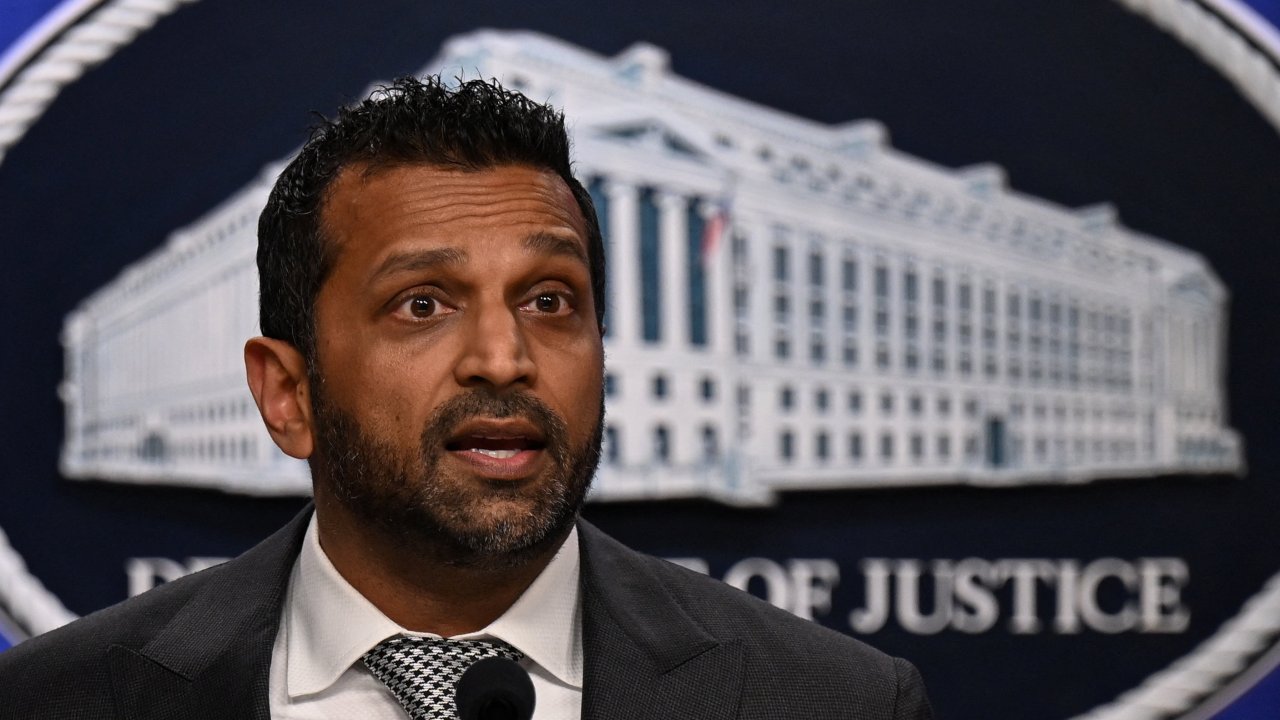
FBI Director Kash Patel has filed a $250 million defamation lawsuit against The Atlantic magazine and its reporter Sarah Fitzpatrick, alleging the publication made false claims about his alleged excessive drinking and unexplained absences from work. The lawsuit, filed in the U.S. District Court for the District of Columbia, centers on an article published by The Atlantic that Patel’s legal team describes as a “sweeping, malicious, and defamatory hit piece.” According to court documents cited in multiple news reports, the article included an anecdote claiming Patel was locked out of an internal FBI computer system on April 10, 2026, which led him to believe he had been fired by the White House and prompted him to contact colleagues in distress. Patel’s attorneys maintain this characterization is false and that the incident was a routine technical issue that was quickly resolved.
The FBI director’s legal team asserts that prior to publication, the FBI informed The Atlantic that rumors about Patel being fired or experiencing a “panic” or “freak-out” over the technical glitch were unfounded. In the lawsuit, Patel’s lawyers argue that the article falsely portrayed him as someone who drinks to excess and has had unexplained absences at the bureau, claims they say are baseless and damaging to his reputation. The filing specifically disputes the narrative that Patel believed he had been terminated following the April 10 system access issue, stating instead that he sought assistance to resolve a standard login problem.
Patel’s lawsuit seeks $250 million in damages, a figure highlighted in reports from NBC News, PBS NewsHour, and other outlets covering the legal action. The complaint alleges that The Atlantic’s reporting caused reputational harm and constituted defamation under federal law. While The Atlantic has not publicly responded in detail to the lawsuit as of the latest available reports, the publication stands by its editorial process. The case has drawn attention due to the high-profile nature of the plaintiff—a sitting FBI director—and the substantial monetary demand, which is uncommon in media defamation cases.
The underlying incident that sparked media scrutiny occurred on April 10, 2026, when Patel reportedly experienced difficulty accessing FBI internal systems. Multiple news outlets, including NBC News, initially inquired whether the incident signaled a change in his status, but administration officials subsequently denied any suggestion that Patel had been fired or suspended. The FBI has not confirmed or denied whether Patel believed he had been fired during the episode, declining to comment when asked by NBC News about his state of mind at the time. However, Patel’s legal team insists the episode was mischaracterized and that no evidence supports the claim that he reacted with distress or believed his employment was in jeopardy.
Beyond the technical access issue, the lawsuit challenges broader allegations in The Atlantic’s article concerning Patel’s conduct and habits while on duty. Specifically, it disputes claims that he consumes alcohol excessively during work hours or has been absent without explanation. Patel has publicly denied these assertions, stating in interviews with Bulgarian media outlets such as Novini.bg that he has never been intoxicated while performing his duties as FBI director. These personal denials, while not part of the legal filing, align with the core argument of the lawsuit: that the magazine’s portrayal is factually incorrect and harmful.
The case raises questions about the standards for reporting on senior government officials and the balance between press freedom and protection against false statements. Defamation lawsuits involving public figures are difficult to win under U.S. Law, which requires plaintiffs to prove that false statements were made with “actual malice”—meaning the publisher knew the information was false or acted with reckless disregard for the truth. Patel’s legal team will need to meet this high threshold to succeed in their claim. The outcome could have implications for how media organizations report on sensitive personnel matters within federal agencies, particularly when relying on anonymous sources.
As of now, no trial date has been set, and the case remains in its early stages. Both parties may engage in pre-trial motions, discovery, or settlement discussions in the coming months. The FBI has not issued an official statement regarding the lawsuit, maintaining a position of non-comment on ongoing litigation involving its director. Observers note that the case underscores the intense scrutiny faced by high-ranking government officials and the legal risks associated with publishing allegations about their personal conduct, especially when those allegations involve substance use or job performance.
For readers seeking updates on this developing legal matter, official court filings can be accessed through the Public Access to Court Electronic Records (PACER) system for the U.S. District Court for the District of Columbia. Monitoring the docket for case number associated with Patel v. The Atlantic will provide the most accurate and timely information on procedural developments. As the situation evolves, further statements from either party or rulings from the court may clarify the merits of the claims and defenses involved.
This story underscores the importance of verifying claims about public officials, particularly when they involve serious allegations that could affect national security institutions. It as well highlights the legal remedies available to individuals who believe they have been defamed, even as the burden of proof remains high in such cases. The intersection of media accountability, personal reputation, and institutional integrity continues to be a focal point in public discourse, especially when senior figures in law enforcement develop into the subject of public controversy.
We invite readers to share their thoughts on this case in the comments section below. How should news organizations balance investigative reporting with the need to avoid harm from unverified claims? What responsibility do public figures have to address rumors about their conduct? Join the conversation and help foster a thoughtful exchange of perspectives.
Worth a look