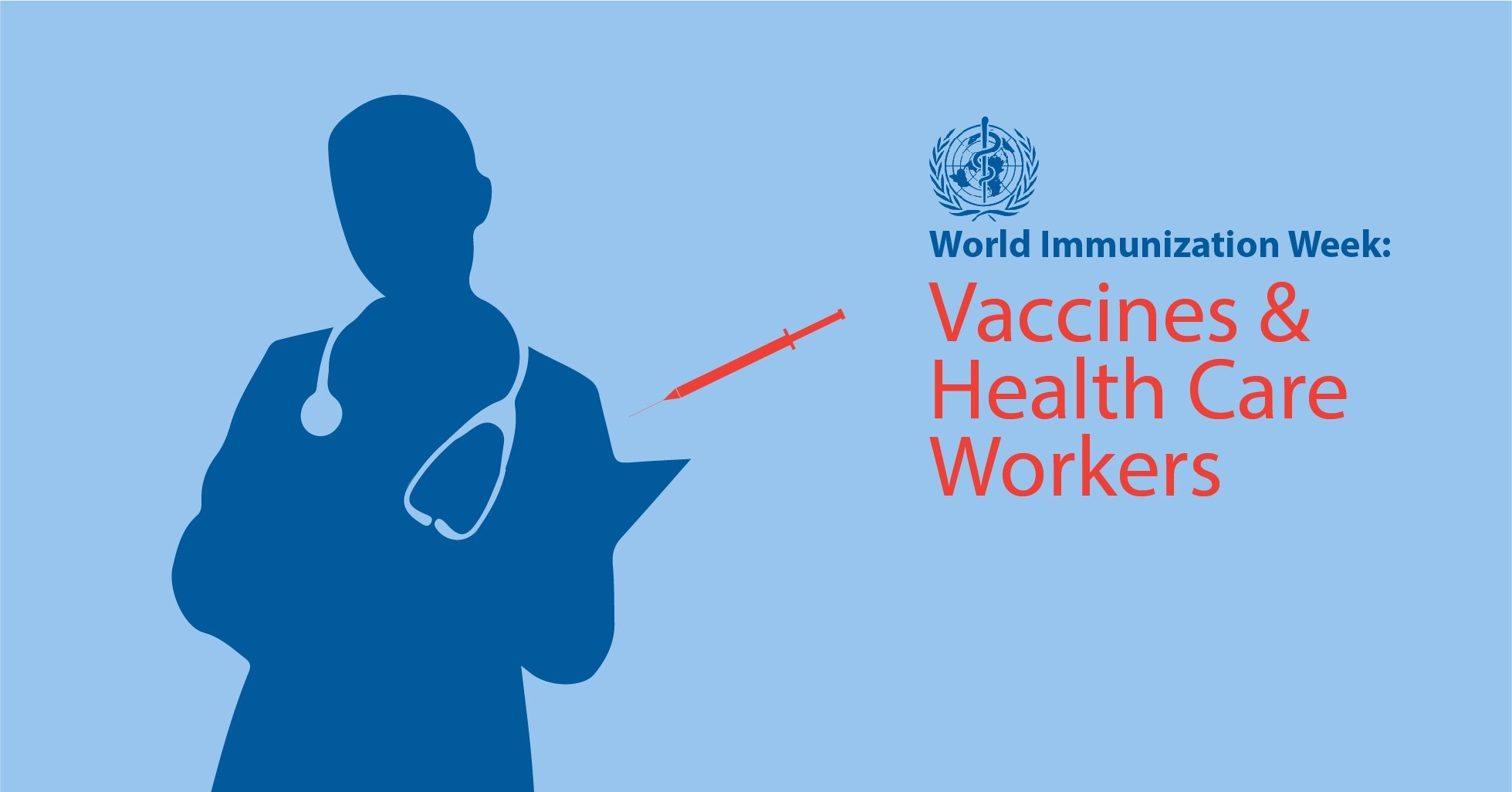
As World Immunization Week approaches, the focus shifts to the critical role of health care workers in promoting vaccine confidence and access. Observed annually during the last week of April, this global initiative underscores the life-saving impact of vaccines while addressing persistent gaps in immunization coverage. In 2025, the campaign continues to emphasize the importance of reaching every child with essential vaccines, a goal that remains central to global public health efforts.
Health care workers serve as trusted advisors in communities worldwide, often serving as the primary source of information about vaccines for parents and caregivers. Their recommendations significantly influence vaccination decisions, particularly in regions where misinformation or hesitancy may hinder uptake. According to the World Health Organization, immunization prevents between 2 and 3 million deaths each year from diseases such as diphtheria, tetanus, pertussis, influenza, and measles. This figure underscores the profound impact of vaccines as one of the most successful and cost-effective public health interventions available.
Despite these successes, challenges persist in achieving universal vaccine access. The WHO and UNICEF report that in 2022, approximately 20.5 million children missed at least one routine vaccine, with 14 million receiving no vaccines at all. These gaps leave children vulnerable to preventable diseases, contributing to outbreaks of measles, polio, and other illnesses in various regions. Addressing these disparities requires sustained investment in health systems, particularly in low- and middle-income countries where infrastructure and resources may be limited.
Vaccine hesitancy remains a complex issue influenced by factors such as misinformation, distrust in health systems, and cultural beliefs. Health care workers are uniquely positioned to address these concerns through empathetic communication and evidence-based counseling. Training programs that equip frontline workers with communication skills and up-to-date knowledge about vaccine safety and efficacy are essential to building public trust.
During World Immunization Week, organizations including the WHO, UNICEF, and the Centers for Disease Control and Prevention (CDC) highlight the contributions of health workers in advancing immunization goals. The CDC notes that its support for the Expanded Program on Immunization (EPI) since 1974 has helped expand access to life-saving vaccines for children globally. This long-standing commitment reflects the ongoing need for international collaboration in strengthening immunization programs.
Efforts to improve vaccine access also involve strengthening supply chains, training health workers, and engaging communities to foster demand for immunization. Innovations such as solar-powered refrigeration for vaccine storage and mobile outreach programs have helped extend services to remote and underserved populations. These initiatives are critical to ensuring that vaccines reach those who need them most, regardless of geography or socioeconomic status.
The theme for World Immunization Week 2024, “Humanly Possible,” celebrated 50 years of the WHO’s Expanded Program on Immunization. This milestone highlighted decades of progress in reducing child mortality and expanding vaccine coverage worldwide. Building on this legacy, the 2025 observance continues to emphasize that equitable access to vaccines is achievable through sustained political will, financial investment, and community engagement.
As the global health community prepares for World Immunization Week 2025, the message remains clear: vaccines save lives, and health care workers are indispensable in delivering this protection. Their work not only prevents disease but also strengthens the resilience of health systems against future threats. By supporting health workers with training, resources, and recognition, the world can move closer to the goal of a future free from vaccine-preventable diseases.
For the latest updates on World Immunization Week activities and resources, visit the official websites of the World Health Organization, UNICEF, and the Centers for Disease Control and Prevention. These platforms provide comprehensive information on immunization schedules, vaccine safety, and ways to support global vaccination efforts.
We invite readers to share their experiences and thoughts on the importance of vaccines and the role of health care workers in promoting immunization. Your insights help foster a broader conversation about how we can collectively protect communities from preventable diseases.
- CDC Reports Decline in Hospital-Acquired Infections for 2023: Patient Safety Improves
- From 180kg to 83kg: The Inspiring Weight Loss Journey Sparked by a Trip to Disneyland
- 3 Years Away: Yoon Ah Yeon’s Health Changes After 13 Years of Isolation (newsdirectory3.com)
- Mediterranean Diet and Olive Oil: Health Benefits and Easy Tips (news-usa.today)