
Federal agents executed a search warrant at the offices of the Ohio-based voter registration organization Open Elections PAC on Friday, seizing computers and other materials as part of an ongoing criminal investigation. The search, which took place at the group’s headquarters in the Cleveland area, marks a significant development in a probe involving allegations of fraudulent voter registration activity, according to reports confirmed by multiple law enforcement sources.
The FBI’s involvement in the case signals that federal authorities are reviewing potential violations of federal election laws. While the bureau typically does not comment on the existence of ongoing investigations, the presence of agents at the organization’s site was corroborated by local officials and legal representatives associated with the group. No arrests have been announced in connection with the search as of Monday morning, and the investigation remains in an active, evidence-gathering phase.
Background on the Investigation
The inquiry into Open Elections PAC stems from allegations that the organization submitted fraudulent or falsified voter registration applications. In many jurisdictions, the submission of inaccurate or fake voter data is a violation of state and federal statutes, carrying potential criminal penalties for those involved in the collection and processing of such forms. According to the Federal Bureau of Investigation’s guidelines on election crimes, the agency is tasked with protecting the integrity of the electoral process by investigating schemes that attempt to undermine voter rolls.
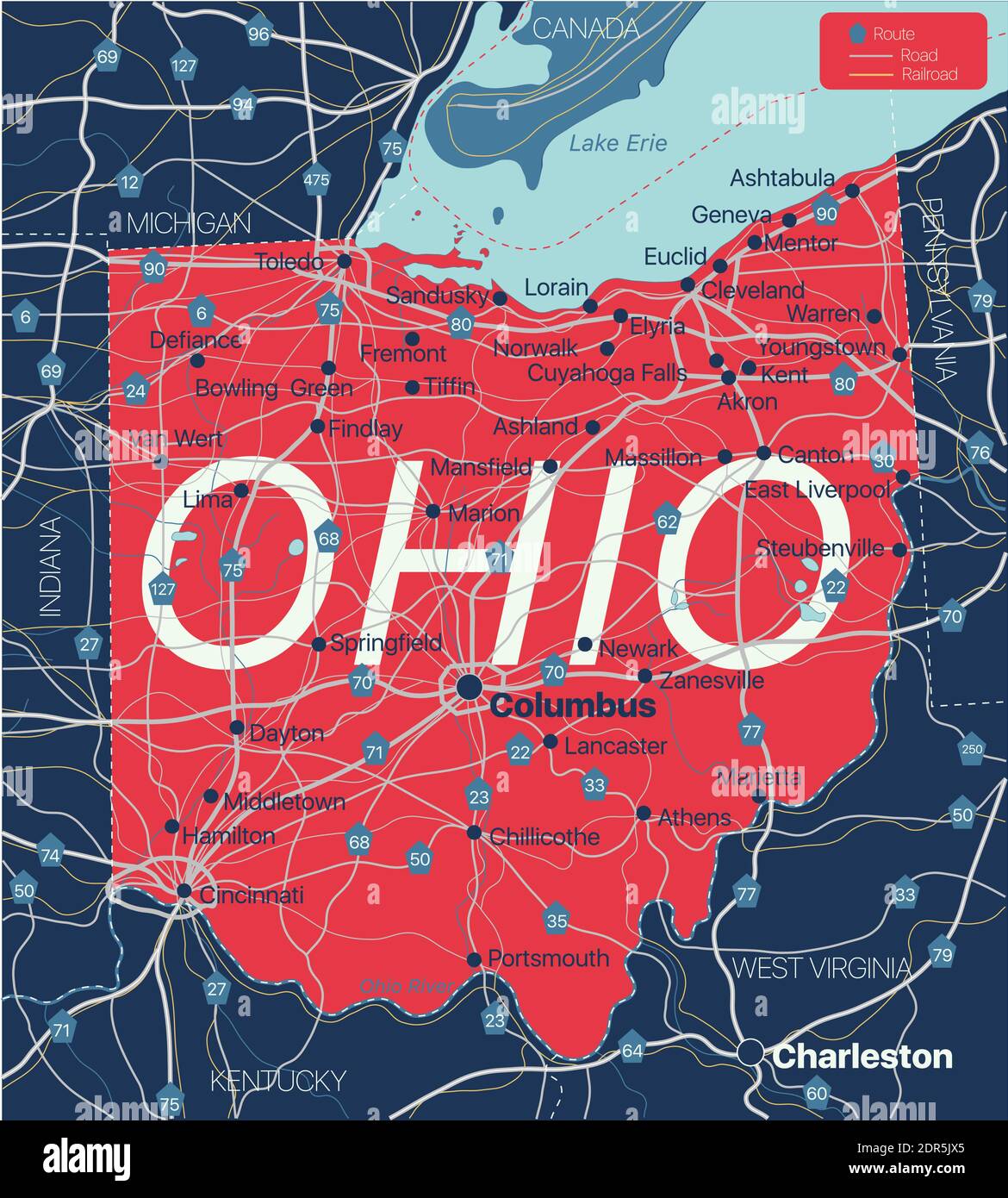
Election integrity experts note that voter registration drives are a common feature of American politics, but they are subject to strict oversight by state secretaries of state and county boards of elections. In Ohio, the Secretary of State’s office maintains protocols for verifying registration forms against existing state databases. When discrepancies or patterns of potential fraud emerge—such as duplicate entries, invalid addresses, or deceased individuals being registered—these cases are often referred to law enforcement for further scrutiny.
Operational Impact and Legal Context
The seizure of computer hardware and digital records suggests that investigators are looking for evidence of internal communication, data sourcing, and the workflow used to process voter registration applications. By analyzing digital logs, federal authorities aim to determine whether the alleged fraud was the result of isolated errors by individual canvassers or if it points to a broader, systematic effort to compromise the voter registration process. This type of digital forensic analysis is standard practice in complex investigations involving mass data entry and electronic filing systems, as reported by the Department of Justice’s overview of federal investigative procedures.
For organizations operating in the voter registration space, the incident highlights the legal risks associated with third-party data collection. Groups are generally required to adhere to state-specific training and submission deadlines. Failure to ensure the accuracy of collected data can lead to civil litigation, administrative fines, or, as evidenced by the recent activity in Ohio, criminal charges. The group in question has not yet issued a formal public statement addressing the specific allegations brought forth by the federal probe.
What Happens Next in the Case
The investigation is now focused on the forensic review of the seized materials. Once investigators have processed the digital data and reviewed the physical documents collected during the search, the findings will likely be presented to a federal grand jury. This body will then determine whether sufficient evidence exists to support formal indictments against individuals or the organization itself.
The timeline for such investigations is often lengthy, as federal agents must verify the legitimacy of thousands of individual voter applications to build a comprehensive case. Interested parties, including election observers and the public, can monitor the United States Attorney’s Office for the Northern District of Ohio for any future announcements regarding potential charges or further legal developments. As the legal process continues, the incident serves as a reminder of the heightened scrutiny surrounding election security ahead of upcoming cycles.
If you have information regarding this ongoing investigation or wish to track official updates, please consult the public dockets maintained by the district court. Readers are encouraged to share their perspectives on the balance between voter access and registration security in the comments section below.
Keep reading