
The Federal Communications Commission (FCC) has granted a significant regulatory waiver to Amazon, effectively removing a looming deadline that would have required the company to deploy half of its Project Kuiper satellite broadband constellation by July 30, 2026. This decision provides the tech giant with more flexibility as it works to establish its low-Earth orbit (LEO) network, designed to provide high-speed internet access globally.
Amazon originally secured regulatory authorization for its Kuiper network in July 2020. That approval was contingent upon two major milestones: launching 50% of its planned 3,232 satellites by July 2026, and completing the deployment of the entire first-generation constellation by July 30, 2029. By waiving the 50% milestone, the commission has eliminated the immediate pressure on Amazon’s launch schedule, though the final 2029 deadline for full constellation deployment remains in effect.
Regulatory Flexibility for Amazon Kuiper
The decision follows an application submitted by Amazon in January, in which the company requested that the FCC either extend the mid-point milestone to July 2028 or remove the requirement entirely. The FCC’s choice to waive the 50% deployment requirement reflects a shift in how the regulator manages the rapid development of large-scale satellite networks. According to the commission’s order, the waiver allows Amazon to continue its progress toward the 2029 completion date without the immediate threat of losing its authorization for the full network.
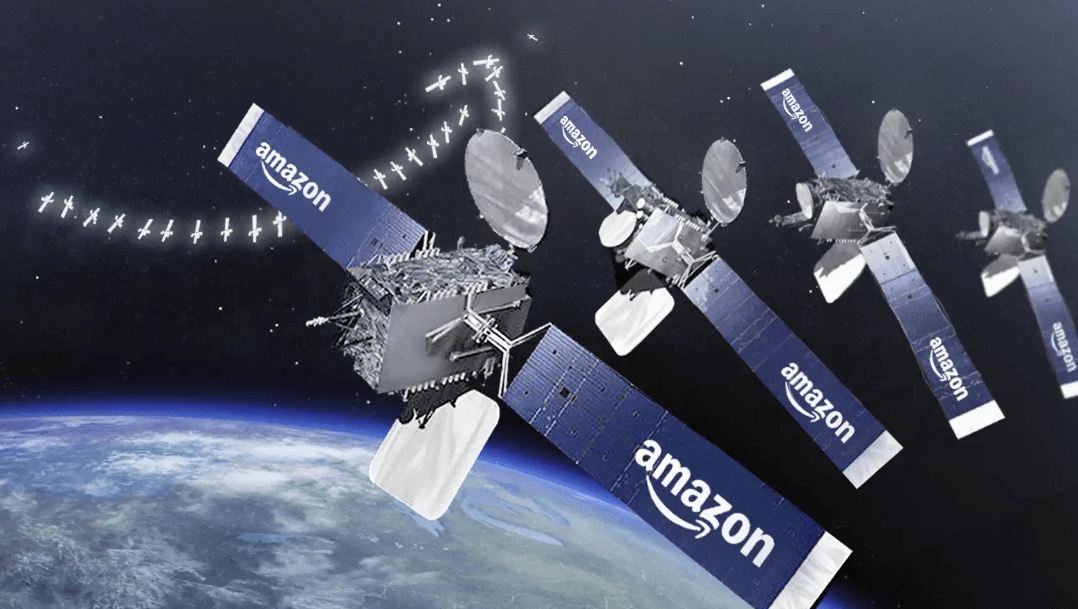
The Project Kuiper constellation is intended to consist of 3,232 satellites operating in low-Earth orbit. Achieving this scale requires a massive logistical effort, including the manufacturing and launch of 1,616 spacecraft to meet the now-waived 50% threshold. By lifting this requirement, the FCC acknowledged the complexities inherent in building a global broadband infrastructure from scratch.
Why the Deadline Change Matters
For the telecommunications industry, the waiver serves as a signal of how the FCC intends to oversee the emerging market of LEO satellite internet providers. The competitive landscape for satellite broadband is intense, with established players like SpaceX’s Starlink already providing commercial service. For Amazon, the regulatory relief is a crucial step in ensuring that its Kuiper project remains viable as it transitions from the testing phase to mass deployment.
The commission’s decision to maintain the July 30, 2029, deadline ensures that there is still a hard stop for the first-generation network. This approach balances the need for industry oversight with the practical challenges of space-based technology. By keeping the final date firm, the FCC continues to incentivize timely deployment while allowing companies to manage their launch cadences more effectively.
Next Steps for the Constellation
With the 50% milestone removed, Amazon’s focus remains on the broader goal of full network integration. The company has previously indicated that it is scaling its manufacturing capabilities to meet the demands of such a large constellation. Interested parties can monitor future filings and public notices through the Federal Communications Commission official portal, where updates regarding satellite authorization and spectrum usage are regularly published.
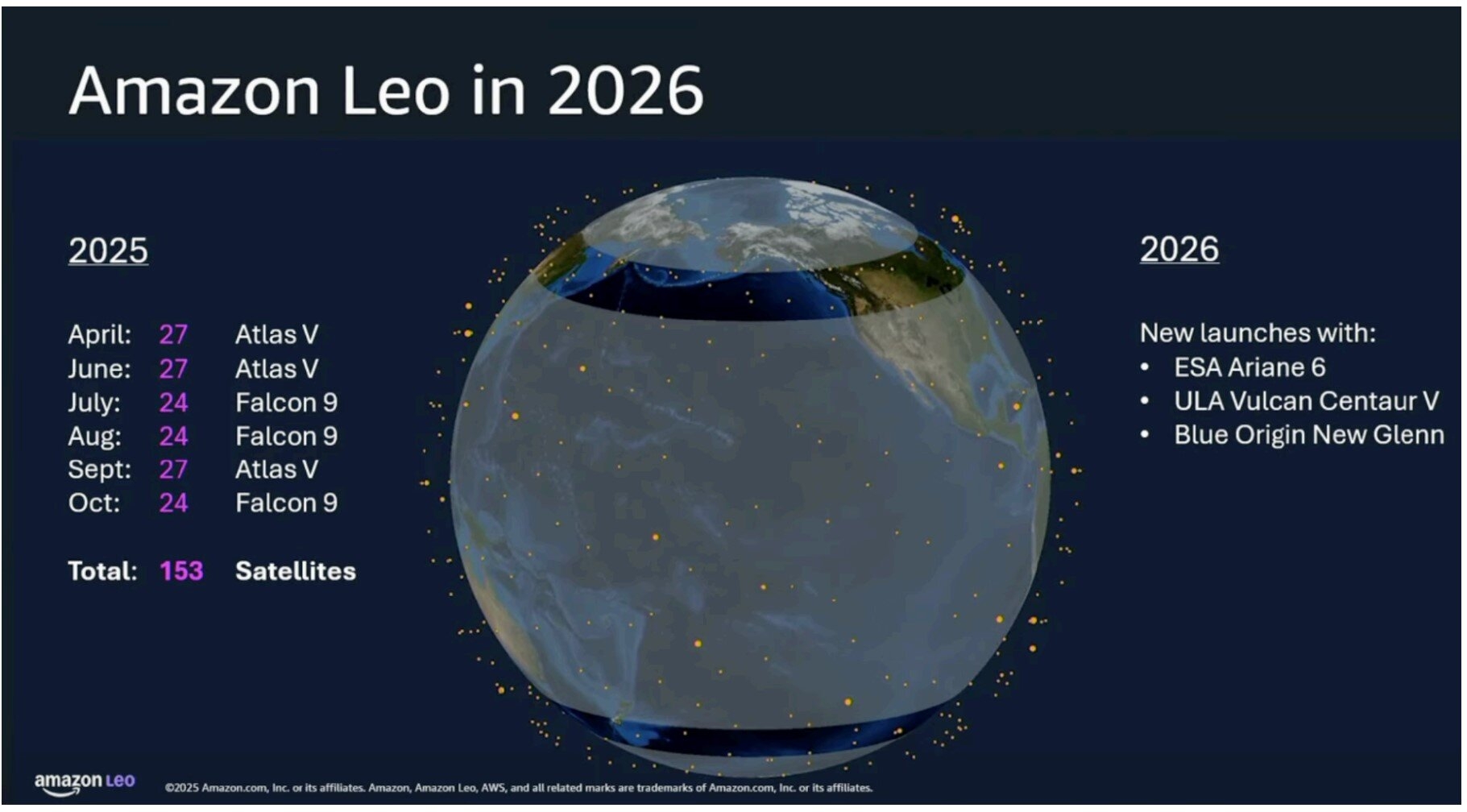
The next major checkpoint for the project is the July 30, 2029, deadline for the full deployment of the initial 3,232-satellite constellation. As Amazon continues to ramp up its launch operations, the industry will be watching to see how the company utilizes this extra time to refine its orbital architecture. We welcome your thoughts on the future of satellite broadband—feel free to join the discussion in the comments section below.
Related reading