Landmark FDA approval: Kygevvi Offers First Hope for Thymidine Kinase 2 Deficiency (TK2d)
For years, managing Thymidine kinase 2 Deficiency (TK2d) meant focusing on supportive care to alleviate debilitating symptoms. Now, a notable breakthrough offers a new path forward.The FDA has approved Kygevvi (doxecitine and doxribtimine), the first and only treatment specifically designed for both adults and children living with this rare, life-threatening mitochondrial disease.
this approval represents a monumental step for patients and families impacted by TK2d, a condition often underdiagnosed despite an estimated 120 cases described in medical literature. Let’s delve into what Kygevvi is, how it works, and what this means for you or your loved ones.
Understanding TK2d and the Promise of Kygevvi
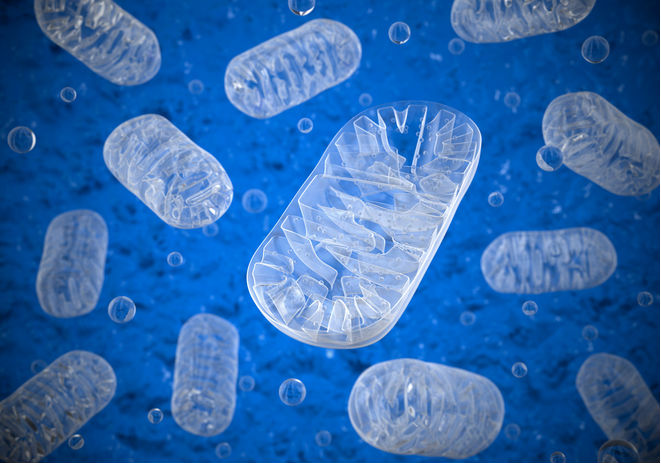
TK2d is a genetic disorder impacting mitochondrial function, crucial for energy production within cells – particularly in skeletal muscle. This leads to progressive muscle weakness, respiratory issues, and ultimately, a substantially shortened lifespan.
Kygevvi tackles the root of the problem. It’s comprised of two pyrimidine nucleosides – doxecitine and doxribtimine - essential building blocks for mitochondrial DNA. The drug works by incorporating these molecules directly into the mitochondrial DNA of skeletal muscle,aiming to restore function and improve outcomes. Kygevvi is administered as a daily oral solution,with dosage tailored to the patient’s weight.
From Zogenix Acquisition to FDA Approval: A Timeline
Kygevvi’s journey to approval is a compelling story of innovation and strategic acquisition. UCB, a global biopharmaceutical company, added Kygevvi to its portfolio through the $1.9 billion acquisition of Zogenix in 2022.
This acquisition wasn’t just about Kygevvi; it also brought Fintepla, a now-established UCB neurology product for rare forms of epilepsy.Zogenix had already initiated pivotal research, including a Phase 2 study focusing on patients diagnosed with TK2d at age 12 or younger. UCB built upon this foundation, submitting a extensive package to the FDA including:
* results from the original open-label study.
* Data from retrospective chart reviews.
* Findings from an expanded access program, providing the drug to patients outside of clinical trials.
Clinical Evidence: A Significant Survival Benefit
The efficacy of Kygevvi was rigorously evaluated by comparing survival rates of treated patients to an external control group who did not recieve the drug. The results where striking:
* Overall Survival: Kygevvi demonstrated a significant survival advantage. In a matched pair analysis of 78 patients, only 3 deaths occurred in the Kygevvi group compared to 28 in the control group.
* 10-Year Survival: Average survival in the Kygevvi group reached 9.6 years, versus 5.7 years in the control group.
While Kygevvi offers hope, it’s vital to be aware of potential side effects. Clinical trials reported common adverse reactions including diarrhea, abdominal pain, vomiting, and elevated liver enzymes. Your doctor will monitor your liver function closely, taking baseline measurements before starting treatment and conducting annual follow-ups.
The Expertise behind Kygevvi
The advancement of kygevvi is deeply rooted in decades of research led by Dr. Michio Hirano, a leading expert in mitochondrial diseases at Columbia University Irving Medical Center.Dr. Hirano has been a dedicated advisor to UCB throughout the drug’s development.
As Dr. Hirano stated in UCB’s approval announcement, “We have been waiting for an approved treatment for many years, and this approval marks a significant milestone in how we can support and manage this debilitating condition.”
What’s Next for Kygevvi?
UCB anticipates launching Kygevvi in the U.S. in the first quarter of next year. Regulatory submissions are also underway with the european Medicines Agency, and plans are in place to seek approval in other global markets.
Moreover, the FDA approval comes with a valuable rare pediatric disease priority review voucher. UCB can leverage this voucher to expedite the review of another therapy targeting a rare pediatric disease, or possibly sell it - currently valued around $150 million – to another pharmaceutical company.
**If you or someone you know is affected by TK2d, this
Related reading