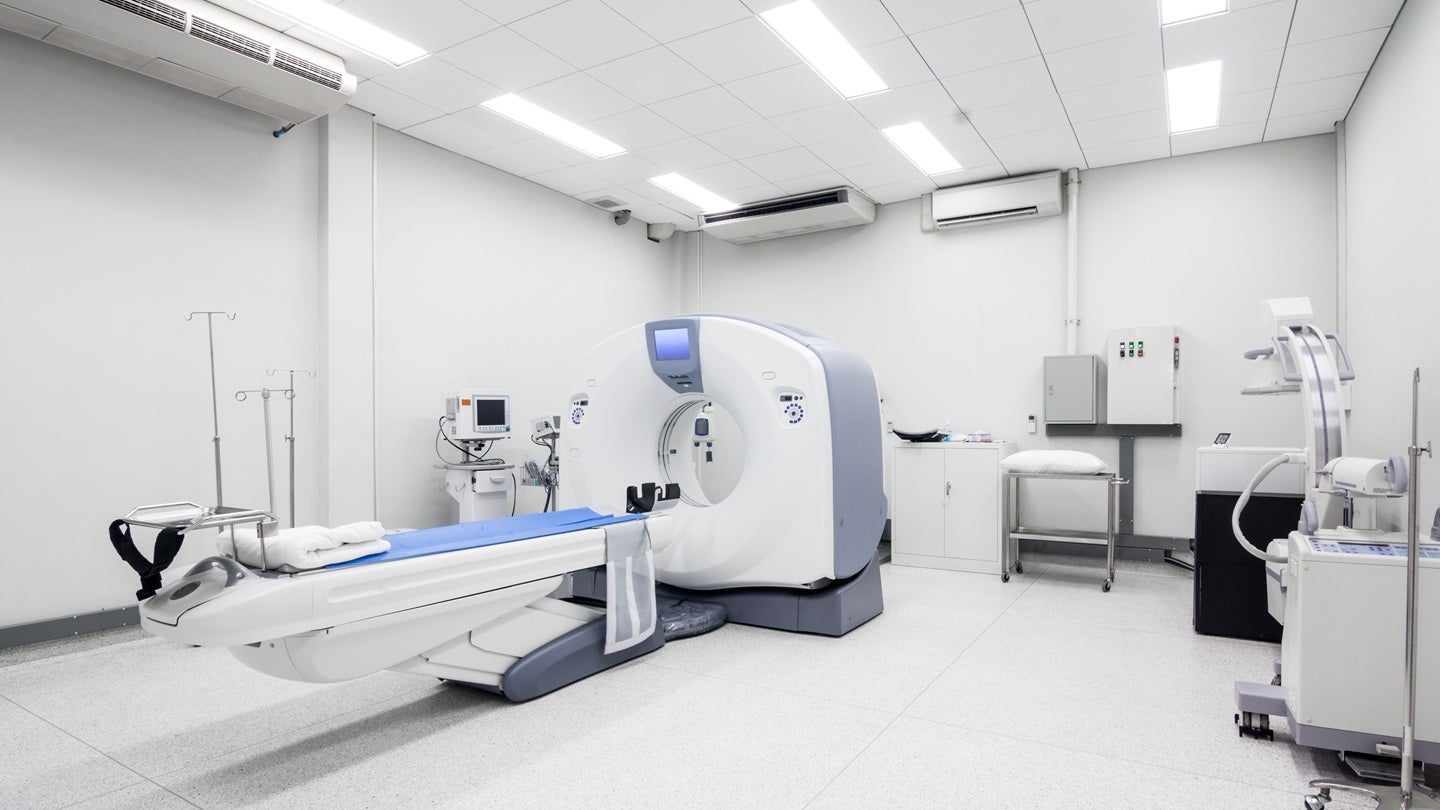
The U.S. Food and Drug Administration (FDA) has granted 510(k) clearance to GE HealthCare for its AI-powered software, MIM Contour ProtégéAI+ 2.0. This regulatory milestone allows the technology to be marketed for clinical use, providing healthcare professionals with an automated tool designed to assist in the contouring process for radiation oncology planning. The software is part of the company’s broader strategy to integrate artificial intelligence into medical imaging and treatment workflows.
The 510(k) clearance process is a formal regulatory pathway used by the FDA to determine that a new medical device is “substantially equivalent” to a legally marketed predicate device, meaning it is at least as safe and effective as the existing technology. According to the FDA’s official guidance on the 510(k) program, this pathway is essential for bringing technological advancements to the clinical environment while maintaining rigorous safety standards for patients and providers.
Understanding AI in Radiation Oncology
Radiation therapy planning requires high precision, particularly in the process of contouring—the manual task of outlining organs at risk and target volumes on medical images. Traditionally, this is a time-consuming process for clinicians. The MIM Contour ProtégéAI+ 2.0 is designed to automate these segmentations, potentially reducing the time required for treatment planning.

The FDA’s role in regulating such software is to ensure that AI-driven tools perform reliably within a clinical setting. As the agency notes in its overview of AI and machine learning in medical devices, these tools must demonstrate consistent performance and safety. By securing this clearance, GE HealthCare has met the agency’s requirements for this specific software version, ensuring it aligns with established standards for medical device efficacy.
What This Means for Clinical Practice
For radiation oncology departments, the introduction of automated contouring software represents a shift toward more efficient workflows. By leveraging artificial intelligence to handle the initial segmentation of anatomical structures, clinicians can focus their expertise on reviewing and refining the plans, rather than performing the manual labor of tracing complex structures from scratch. This is part of a larger trend of AI integration across the healthcare sector, which the FDA monitors through its Digital Health Center of Excellence.

This clearance follows a period of significant activity for the FDA in the medical device space. As of June 2026, the agency continues to manage a wide range of submissions under its Center for Devices and Radiological Health (CDRH), which is currently marking 50 years since the Medical Device Amendments were signed into law. This regulatory framework provides the foundation for how the agency evaluates new software-based medical devices today.
Regulatory Oversight and Future Updates
The FDA’s regulatory process is ongoing. While the 510(k) clearance indicates that the software is cleared for its intended use, the agency maintains post-market oversight to monitor the performance of medical devices once they are in active use. Healthcare providers can access information about specific device clearances through the FDA’s public database for 510(k) submissions, which serves as a primary source for verifying the status of medical technologies.
As AI technology continues to evolve, the FDA has indicated that it is refining its approach to software as a medical device. This includes participating in international harmonization efforts and developing guidance that addresses the unique challenges of machine learning, which can improve over time. Clinicians and hospital administrators looking for the most current safety information or updates regarding this software should monitor the FDA’s medical device portal for future notifications or guidance documents.
The next official updates regarding FDA device clearances and regulatory policy shifts are typically posted on the agency’s newsroom page. We encourage readers to share their experiences with AI-integrated radiation oncology tools in the comments below, as we continue to track how these innovations impact patient care and clinical efficiency.
Related reading