
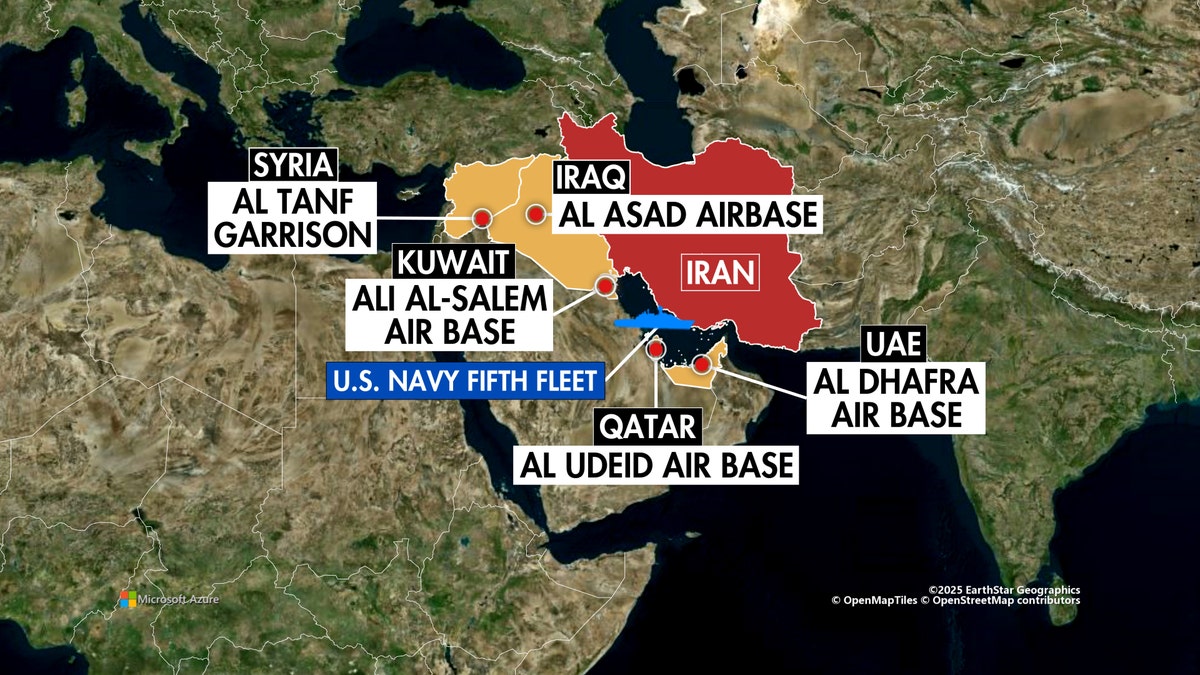
Tensions in the Gulf have escalated significantly as Iran launched a series of missile and drone strikes against Kuwait and Bahrain, prompting retaliatory military action from the United States. The conflict, now approaching its 100th day since hostilities began in late February, has disrupted regional stability and endangered international transit, according to reports confirmed on June 3, 2026.
The latest flare-up marks a volatile departure from the temporary, Pakistan-mediated ceasefire that had been in effect since April 8, 2026. As both Tehran and Washington trade strikes, regional neighbors find themselves caught in the crossfire of a deepening geopolitical impasse. The volatility has raised widespread concerns regarding the potential for a return to full-scale regional warfare.
Attacks on Gulf Infrastructure and Civilian Casualties
The situation intensified in the early hours of Wednesday, June 3, when Iranian forces targeted facilities in Kuwait and Bahrain. According to the Kuwaiti state news agency, KUNA, Iranian missiles and drones struck the Kuwait International Airport, resulting in significant operational disruptions, including the suspension of flights and damage to airport infrastructure. Local authorities reported an unspecified number of injuries following the strikes.

The impact of the violence has reached beyond the immediate region. The Indian Ministry of Foreign Affairs confirmed that an Indian national was killed during the attack on Kuwait International Airport, with several other Indian citizens reported injured. In a formal statement, the ministry expressed condolences to the bereaved family and confirmed that the Indian Embassy is providing assistance to those affected while maintaining contact with local authorities to ensure the safety of its nationals.
While the scale of the damage in Kuwait was significant, United States Central Command (CENTCOM) provided a different assessment regarding the efficacy of the Iranian offensive. CENTCOM officials stated that two Iranian missiles aimed at Kuwaiti targets fell short or disintegrated mid-flight, and noted that several other ballistic missiles failed to reach their intended objectives. These conflicting reports underscore the high degree of uncertainty currently surrounding the military capabilities and tactical outcomes of the ongoing exchange.
US Military Response and Strategic Objectives
In direct response to the regional aggression, the United States launched military strikes targeting Iran’s Qeshm Island. The move is part of an ongoing effort by Washington to deter Iranian targeting of Gulf nations, particularly those hosting US military bases. The strikes on Qeshm Island represent a calculated escalation by the US military, which has sought to neutralize threats to its regional positioning since the conflict’s inception in late February.
The strategic environment remains precarious. Since the beginning of the conflict, Iran has repeatedly utilized its military assets to pressure Gulf countries that host American military infrastructure. These actions have consistently tested the limits of the fragile diplomatic efforts aimed at de-escalating the war. With the breakdown of the April 8 ceasefire, the diplomatic path to a long-term resolution remains obscured by the daily reality of tit-for-tat military maneuvers.
What Happens Next?
The current diplomatic impasse shows little sign of immediate resolution. As of June 6, 2026, international observers are monitoring whether the latest exchange of fire will lead to a sustained military campaign or if back-channel communications can restore a semblance of the previous ceasefire. The safety of foreign nationals and the stability of critical transportation hubs like the Kuwait International Airport remain at the forefront of international concern.
For those tracking the situation, updates remain dependent on official releases from regional state news agencies and statements from the United States Central Command. As the conflict nears its 100-day milestone, the international community continues to call for restraint to prevent further loss of life. We invite our readers to share their perspectives on these developments in the comments section below, as we continue to provide verified updates on this unfolding situation.
Related reading
- Direkt – Krisen i Mellanöstern – Iran: Produktiva samtal om Hormuzsundet – Dagens Nyheter
- Noi, campioni del barbecue”. Griglia e costine in cima all’Europa – Il Resto del Carlino
- US Iran Allies Unite in Global Conflict Declaration (world-today-news.com)
- Trump Threatens Iran as Houthi Tanker Attacks Push Oil Prices Above $100 (time.news)