
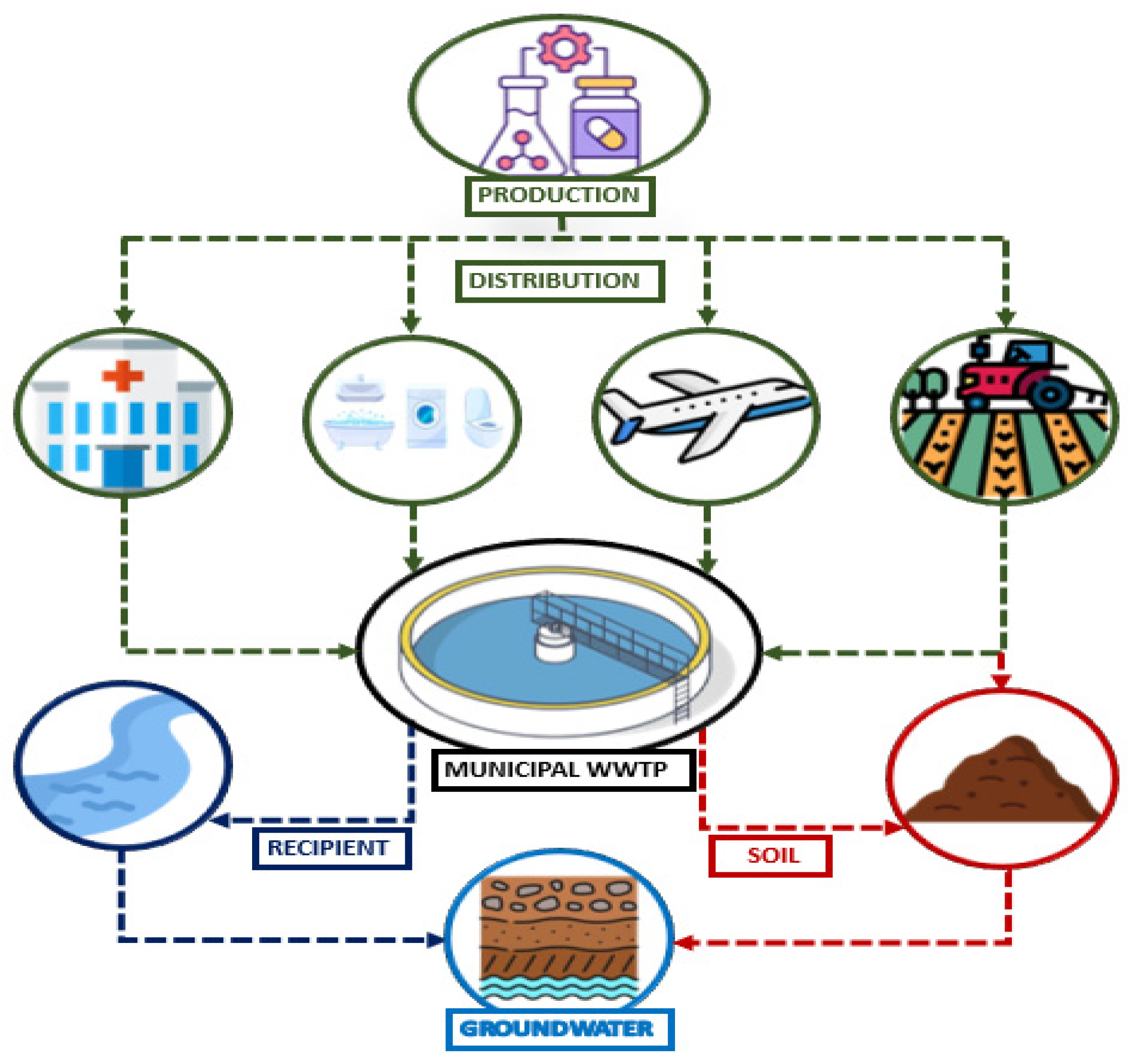
In the quiet laboratories and treatment plants of western France, scientists are tackling one of the most persistent challenges in modern water management: the removal of microscopic pollutants from wastewater. These contaminants, known as micropollutants, include pharmaceutical residues, personal care products, pesticides and industrial chemicals that slip through conventional treatment processes and enter rivers, lakes, and drinking water supplies. Even as invisible to the naked eye, their cumulative presence raises growing concerns for aquatic ecosystems and human health, prompting urgent research into effective and scalable solutions.
A feasibility study conducted in 2022 at the wastewater treatment plant in Conte, near Mont-de-Marsan in the Landes department of southwestern France, marked an important step in this effort. The study, referenced in regional reporting, evaluated emerging technologies designed to target trace-level contaminants that standard biological and mechanical treatments fail to capture. Though specific technical details of the Conte study remain unverified in publicly accessible sources, its initiation reflects a broader trend among French and European water authorities to proactively assess advanced treatment options before regulatory thresholds tighten.
The timing of this research aligns with a growing recognition across Europe that conventional wastewater treatment, while effective at removing organic matter and pathogens, was not designed for the complex chemical landscape of the 21st century. As populations age and medication use increases, and as agricultural and industrial activities continue to release trace compounds into water systems, the need for tertiary or quaternary treatment stages has become a subject of intense engineering and environmental scrutiny.
Following the 2022 feasibility assessment, a 2023 knowledge-exchange trip to Switzerland brought French technical experts into contact with counterparts from nations at the forefront of micropollutant research. According to regional reporting, Switzerland — along with Denmark and Germany — forms part of a European trio recognized for advancing science in this still-emerging field. These countries have invested heavily in pilot programs and full-scale implementations of advanced oxidation processes, activated carbon filtration, and membrane technologies aimed at breaking down or capturing recalcitrant compounds.
While the Conte study itself has not been independently verified through national environmental agencies or peer-reviewed journals as of this reporting, its context fits within a documented pattern of innovation in French water infrastructure. For instance, public procurement records from the Nouvelle-Aquitaine region detail related projects involving water quality monitoring, storage basin development, and irrigation reuse systems linked to the Mont-de-Marsan treatment facility. These initiatives suggest a broader strategy of integrating treated wastewater into sustainable water cycles, provided that contaminant levels can be reliably reduced to safe thresholds.
The challenge of micropollutant removal is not merely technical but also economic and regulatory. Advanced treatments such as ozonation, ultraviolet irradiation with hydrogen peroxide, or nanofiltration can significantly increase operational costs and energy demands. The lack of standardized European Union-wide limits for many individual micropollutants complicates investment decisions, as utilities face uncertainty about future compliance requirements. Pilot studies like the one in Conte help bridge this gap by generating real-world performance data under local conditions.
Experts emphasize that no single technology offers a universal “magic formula” for micropollutant removal. Instead, effective strategies often involve treatment trains — combinations of processes tailored to the specific contaminant profile of a given wastewater stream. For example, activated carbon may excel at adsorbing certain pharmaceuticals, while ozone breaks down others more effectively. The choice depends on factors such as water chemistry, flow rates, seasonal variations, and the intended reuse pathway, whether for environmental discharge, agricultural irrigation, or industrial reuse.
Public awareness and stakeholder engagement also play critical roles. In projects involving water reuse for agriculture, as seen in the Landes region, transparent communication about treatment efficacy and monitoring protocols helps build trust among farmers and local communities. Documentation from regional tender processes highlights the inclusion of telemetry and remote monitoring systems to ensure ongoing quality control — a feature increasingly considered essential in modern water recycling schemes.
Looking ahead, the trajectory of micropollutant research in France appears closely tied to national water management plans and EU directives emerging from the European Green Deal. While no official timeline has been published for the next phase of the Conte-based initiative, similar feasibility studies across the country typically inform multi-year investment plans submitted to water agencies such as the Adour-Garonne basin authority. Stakeholders seeking updates are advised to consult regional environmental offices or consult publicly available procurement platforms for forthcoming tender notices related to treatment plant upgrades.
As scientific understanding evolves and detection methods grow more sensitive, the focus is shifting from simply measuring micropollutant presence to demonstrating verifiable risk reduction. This shift demands not only technological innovation but also robust monitoring frameworks, interdisciplinary collaboration, and long-term commitment from policymakers, engineers, and the public alike. The quiet work underway in southwestern France represents one piece of a larger, continent-wide effort to ensure that water — fundamental to life and health — remains safe in an increasingly complex chemical world.
For ongoing developments in European water treatment innovation, readers can follow updates from the European Water Association or national environmental agencies in France, Germany, and Switzerland.