
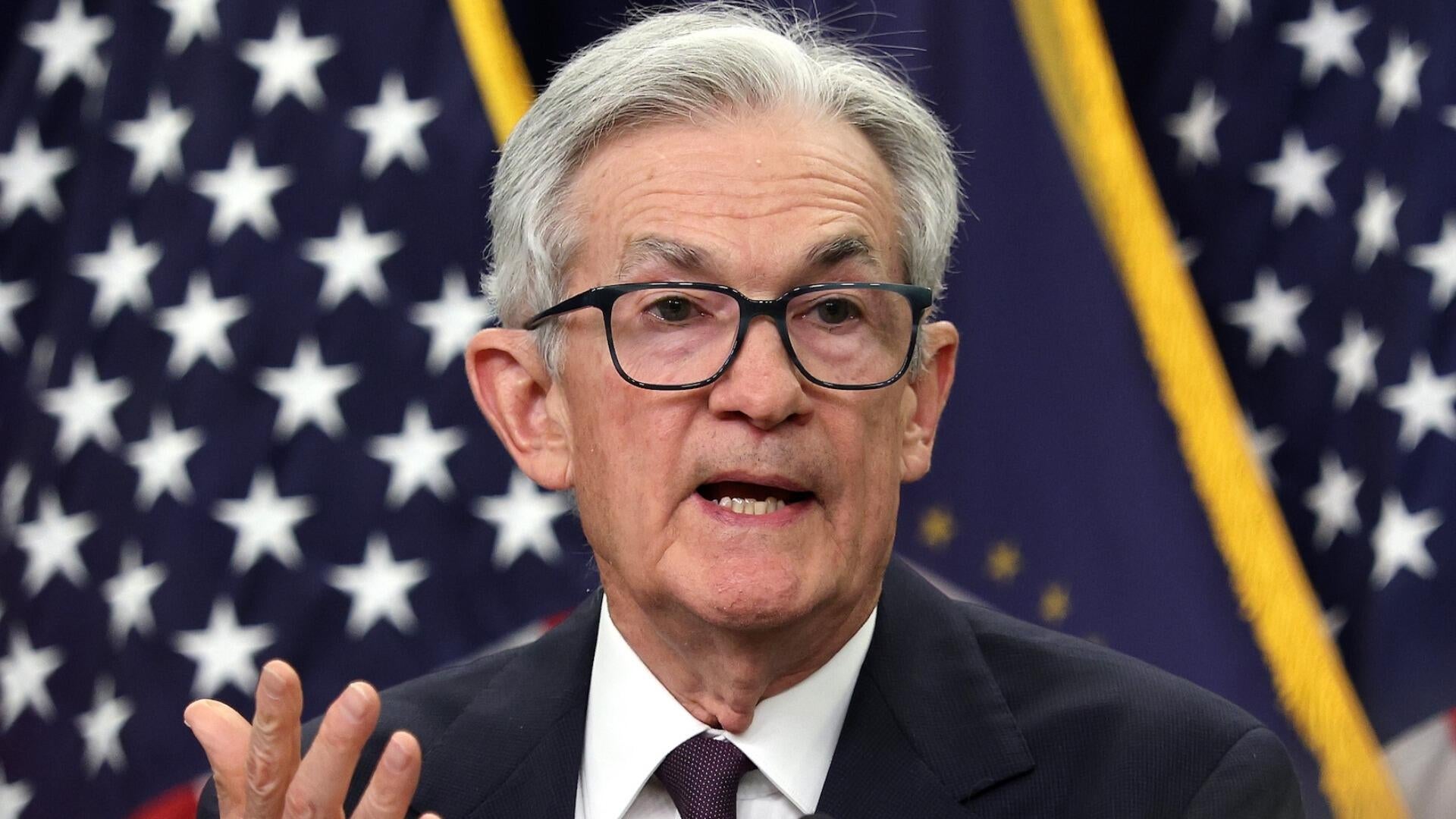
The Federal Reserve opted for a Federal Reserve interest rate hold on Wednesday, maintaining borrowing costs as the global economy grapples with a sudden oil shock triggered by the war in Iran. The decision comes at a critical juncture for the U.S. Central bank, as it balances the need to curb surging prices against a backdrop of sluggish hiring and geopolitical instability.
This policy move likely represents the final rate-setting decision under the leadership of Fed Chair Jerome Powell, whose term is scheduled to expire next month. The announcement reflects an uneasy equilibrium for policymakers who are facing a rapid acceleration of price increases driven by energy market volatility.
In an official statement, the Federal Open Market Committee (FOMC), the Fed’s primary policymaking body, acknowledged the pressure on the economy, stating, “Inflation is elevated, in part reflecting the recent increase in global energy prices.” The decision to keep rates steady suggests a cautious approach to monetary policy while the full impact of the Iran war on global supply chains remains uncertain according to reports on the FOMC decision.
Energy Shocks and the Benchmark Rate
The benchmark interest rate currently stands between 3.5% and 3.75%. While this level is significantly lower than the peaks seen in 2023, it remains substantially higher than the 0% rate utilized at the start of the COVID-19 pandemic as detailed in recent Fed data.

The decision to hold rates steady was not unanimous. Stephen Miran, a former Trump administration official who recently joined the board, cast the lone dissenting vote. Miran argued for a quarter-point rate cut, suggesting that the economic risks may warrant a more aggressive easing of borrowing costs despite the inflationary pressures from the energy sector as reported by ABC News.
For global markets, the “wait-and-see” approach adopted by the Fed highlights the difficulty of managing inflation when the primary driver is an external geopolitical shock. When energy prices spike due to conflict, central banks often find themselves in a “policy trap” where raising rates to fight inflation could further stifle economic growth, while cutting rates could fuel a price-wage spiral.
Political Turbulence and the Succession Battle
Beyond the economic data, the Federal Reserve is currently navigating a period of intense political scrutiny. As Jerome Powell’s term nears its end, a standoff between the White House and Congress has clouded the succession process. However, a significant development occurred on Wednesday when the Senate Banking Committee voted 13-11 to approve the nomination of the next Fed chair per committee records.
The vote followed a strict party-line split, with Republicans supporting the nomination and Democrats opposing it. The nominee, Kevin Warsh, has faced a bipartisan stonewall in the Senate Banking Committee in recent months, largely due to a federal criminal investigation into Jerome Powell.
The path for Warsh’s nomination cleared only after the Department of Justice moved to drop the probe into Powell last week according to official reports. This legal resolution removed a primary obstacle for the committee, allowing the nomination to move forward via the 13-11 vote.
Key Economic Indicators at a Glance
| Metric/Event | Current Status/Value | Context |
|---|---|---|
| Benchmark Interest Rate | 3.5% – 3.75% | Held steady amid oil shock |
| FOMC Vote | Majority Hold / 1 Dissent | Stephen Miran called for 0.25% cut |
| Senate Banking Committee Vote | 13-11 (Approved) | Party-line vote for Fed chair nominee |
| Powell’s Term Expiry | Next Month (May 2026) | Final rate decision likely complete |
What This Means for the Global Economy
The Federal Reserve’s decision to maintain the current Federal Reserve interest rate hold sends a signal to global markets that the U.S. Is prioritizing stability over rapid adjustment in the face of the Iran war. For international investors and businesses, this means borrowing costs in the U.S. Will remain elevated for the immediate future, influencing currency valuations and capital flows worldwide.
The transition from Jerome Powell to a new chair will be closely watched by markets. The shift in leadership, combined with the current inflationary environment, creates a period of heightened uncertainty. The market will be looking for signals on whether the new leadership will maintain Powell’s cautious approach or pivot toward the rate cuts suggested by dissenters like Stephen Miran.
the impact of the “oil shock” mentioned by the FOMC suggests that energy prices will remain a primary driver of inflation forecasts. Until the conflict in Iran stabilizes or alternative energy supplies mitigate the shock, the Fed is likely to remain data-dependent, avoiding drastic moves that could either ignite inflation or trigger a recession.
The next confirmed checkpoint for the Federal Reserve will be the formal conclusion of Jerome Powell’s term next month and the subsequent finalization of the new chair’s appointment. We will continue to monitor the Senate’s progress and the FOMC’s future statements for any shifts in monetary policy.
Do you believe the Fed should have followed Stephen Miran’s call for a rate cut to support hiring, or is holding steady the only way to fight energy-driven inflation? Share your thoughts in the comments below.