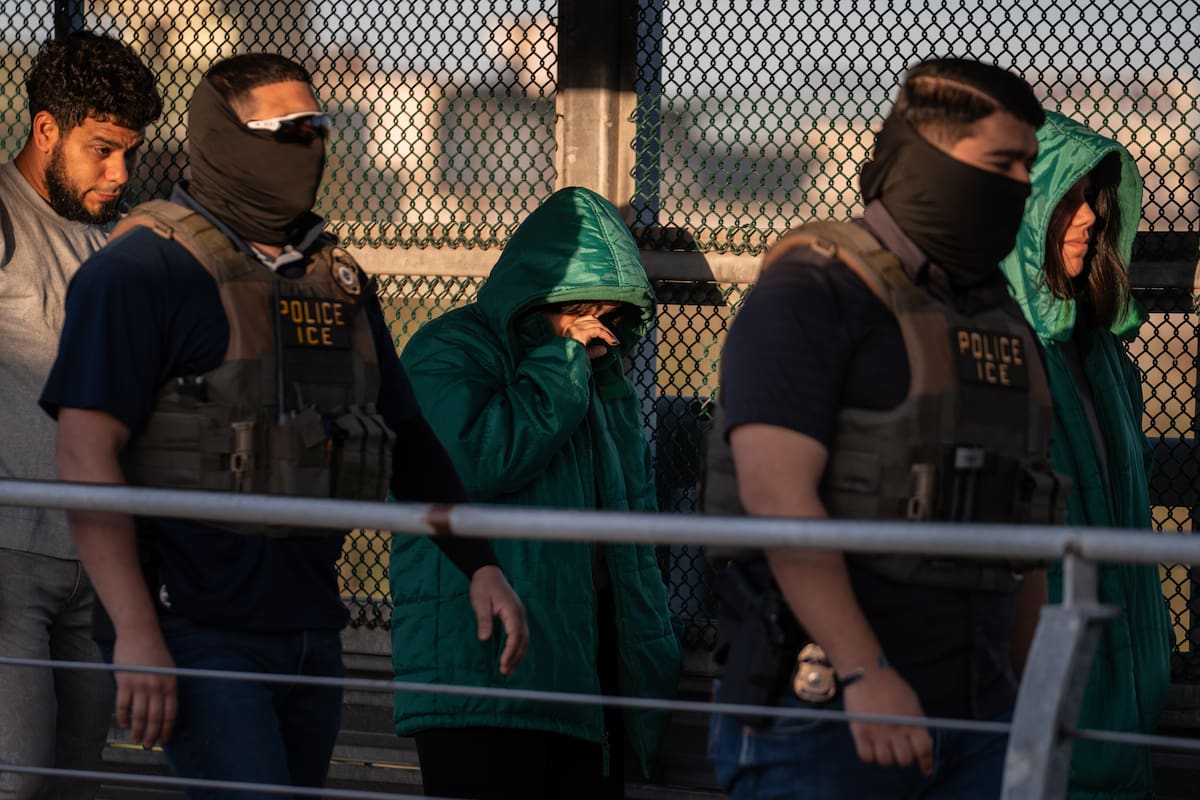
A federal appeals court has cleared the way for Texas to enforce a controversial state law that authorizes local police to arrest individuals suspected of entering the United States illegally, marking a significant shift in immigration enforcement authority at the state level.
The ruling by the Fifth U.S. Circuit Court of Appeals, one of the nation’s most conservative federal appellate courts, lifts a previous injunction that had blocked the implementation of Senate Bill 4 (SB 4) since its passage in 2023. The decision, issued on April 25, 2026, allows the law to capture effect as early as May 15, 2026, unless further legal challenges succeed in halting it before that date.
SB 4 makes it a state crime to cross the Texas-Mexico border outside of official ports of entry, punishable by up to six months in jail for a first offense. Repeat offenders could face felony charges carrying sentences of two to 20 years in prison. The law also requires state judges to order the return of convicted individuals to their country of origin, a provision that raises constitutional concerns since immigration enforcement and deportation authority are exclusively federal powers under the U.S. Constitution.
The court’s ruling focused not on the constitutionality of SB 4, but on whether the immigrant rights groups challenging the law had legal standing to sue. The Fifth Circuit determined that the plaintiffs had not demonstrated sufficient legal injury to justify court intervention, citing recent Supreme Court precedents that limit standing in similar cases. The preliminary injunction blocking the law was dissolved.
Texas Governor Greg Abbott has long championed SB 4 as a necessary response to what he describes as federal inaction on border security. State officials argue that the law empowers local law enforcement to assist in managing migration flows and deterring irregular crossings. Supporters also contend that the law includes safeguards, such as requiring state judges to issue removal orders only after a criminal conviction under the statute.
Critics, including the American Civil Liberties Union (ACLU), the Texas Civil Rights Project, and immigrant advocacy organizations, warn that SB 4 invites racial profiling, undermines federal authority over immigration, and risks violating due process rights. They argue that allowing state and local officers to detain individuals based on suspected immigration status could lead to the arrest of U.S. Citizens and legal residents, particularly in border communities with large Latino populations.
Legal experts note that the law’s requirement for state judges to order deportations creates a direct conflict with federal supremacy in immigration matters. While the court did not rule on this constitutional issue, opponents say it remains a central vulnerability in any future legal challenge. The Department of Justice has previously warned that such state-level immigration enforcement measures are likely preempted by federal law.
The Fifth Circuit’s decision comes amid a broader national debate over the role of states in immigration enforcement. Similar laws have been proposed or enacted in other states, though few have survived judicial scrutiny. Arizona’s SB 1070, passed in 2010, had several key provisions struck down by the Supreme Court in 2012, which affirmed that states cannot enact laws that interfere with federal immigration regulation.
As of April 26, 2026, immigrant rights groups have indicated they may seek emergency relief from the Supreme Court to block SB 4 from taking effect on May 15. Even though, no such filing had been publicly confirmed at the time of this report. The Fifth Circuit has not issued a stay of its own mandate, meaning the law is poised to go into effect unless intervened upon by a higher court.
For individuals concerned about potential impacts, legal aid organizations in Texas and along the border continue to offer know-your-rights resources and emergency assistance. Advice includes carrying proof of citizenship or legal status, avoiding unnecessary interactions with law enforcement, and contacting legal representatives immediately if detained.
The implementation of SB 4 will be closely watched by federal courts, immigration officials, and civil rights groups as a test case for the limits of state authority in immigration enforcement. Its effects could extend beyond Texas, influencing policy debates and legal strategies in other states considering similar measures.
Stay informed about developments in this evolving legal situation. Share this article to help others understand the implications of state-level immigration laws, and join the conversation by commenting below with your perspective.