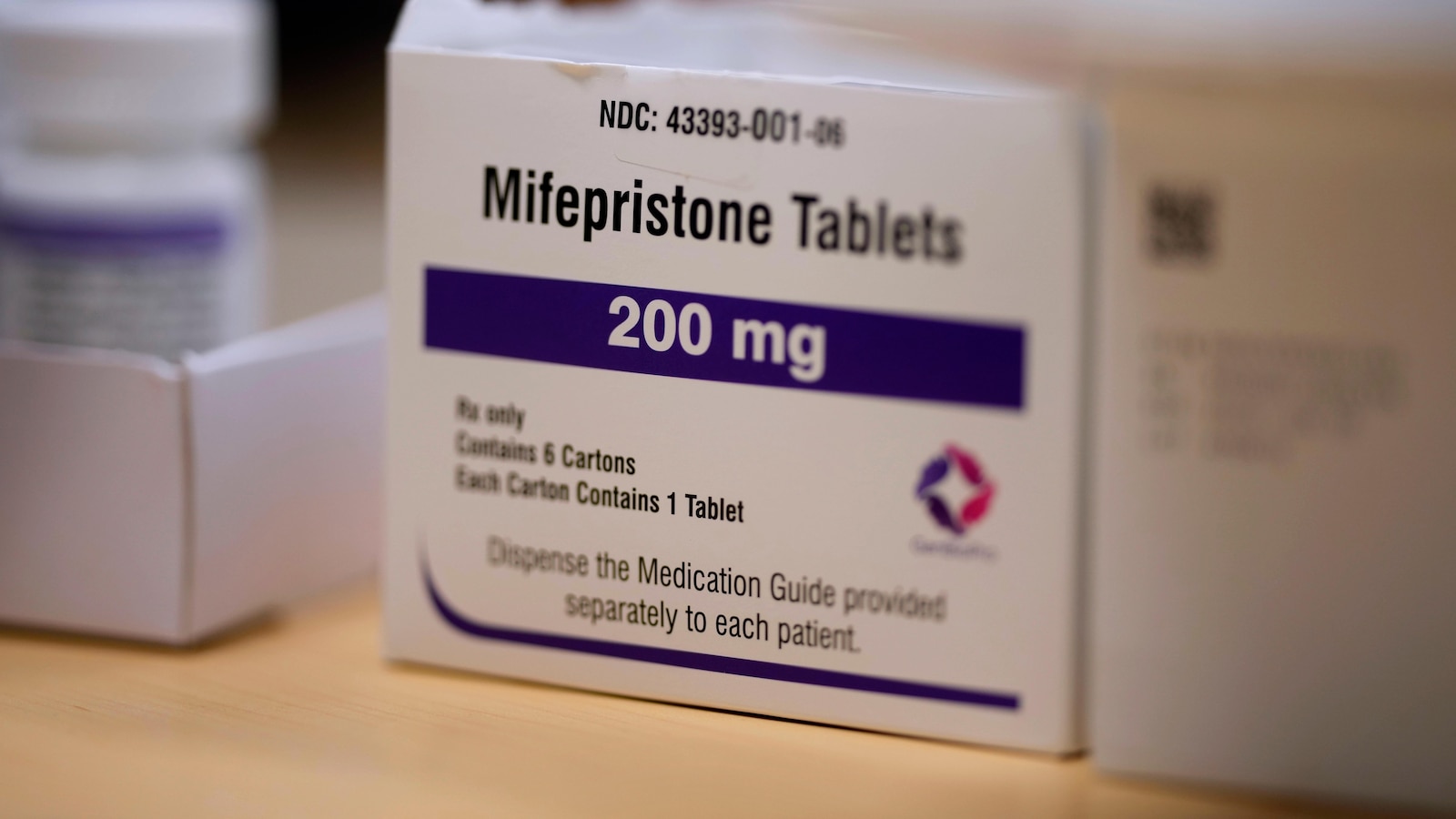
The legal battle over the distribution of medication abortion in the United States has reached a critical juncture, as federal courts weigh the balance between regulatory oversight and patient access. At the center of this conflict is mifepristone, the first of two drugs used in a medication abortion regimen, which has become a focal point for legal challenges seeking to limit how the medication is prescribed and delivered.
Recent judicial proceedings have highlighted the precarious nature of medication abortion access, particularly regarding the practice of mailing prescriptions. Whereas various legal challenges have attempted to block the mailing of mifepristone across the U.S., the legal landscape remains volatile, with different courts issuing conflicting or temporary rulings that impact providers and patients in states with restrictive abortion laws.
The struggle centers on whether the U.S. Food and Drug Administration (FDA) exceeded its authority when it eased restrictions on mifepristone, allowing it to be prescribed via telehealth and sent through the mail. Opponents of the drug argue that these regulations compromise patient safety, while medical organizations and abortion rights advocates maintain that the drug is safe and that mailing it is essential for access in “abortion deserts.”
The Legal Battle Over Mifepristone Distribution
The core of the current legal dispute involves a challenge to the FDA’s decision to allow mifepristone to be distributed by mail. This regulatory shift was designed to increase access to reproductive healthcare, particularly for those who cannot travel to a clinic. Still, several pro-life organizations and physicians have filed lawsuits arguing that the FDA’s protocols are insufficient to ensure patient safety.
In a significant development, reporting from Associated Press indicates that a federal judge recently refused to block the filling of mifepristone prescriptions by mail across the U.S. This ruling served as a temporary setback for efforts, specifically those led by the state of Louisiana, to stifle the operations of groups that send abortion pills into states where the procedure is banned.
Despite this specific refusal to block mailing, the court emphasized that the FDA must complete its review process. This creates a period of legal uncertainty, as the ability to mail these medications remains subject to the outcome of ongoing litigation and administrative reviews. The case highlights a broader trend where federal courts are being asked to intervene in the administrative decisions of health agencies.
What is Mifepristone and How Does it Perform?
To understand the stakes of these court rulings, it is necessary to define the medication in question. Mifepristone is a progesterone-blocking drug. When taken as part of a two-drug regimen—followed by misoprostol—it effectively ends a pregnancy by preventing the hormone progesterone from supporting the uterine lining.
According to health providers, this method is often preferred by patients due to its non-invasive nature and the ability to administer the medication in the privacy of one’s home. The ability to receive these pills via mail has become a lifeline for individuals in states where abortion clinics have closed or where the law prohibits the procedure entirely.
The Impact of Court-Ordered Restrictions
When courts restrict the mailing of mifepristone, the impact is felt most acutely by those in rural areas or states with strict bans. The “mailing” aspect of the controversy is critical because it bypasses the physical barriers of state-level bans, allowing patients to access medication through telehealth providers located in states where abortion remains legal.
Legal experts suggest that blocking the mail-order distribution of mifepristone would effectively eliminate medication abortion for a significant portion of the U.S. Population. This would force patients to travel long distances, often across state lines, to obtain the same medication, increasing the cost and risk associated with seeking reproductive care.
The Fifth Circuit Court of Appeals has been a central venue for these challenges. The court’s history with the Alliance for Hippocratic Medicine
case demonstrates a judicial willingness to scrutinize FDA approvals, though the U.S. Supreme Court has previously intervened to maintain access while lower court cases proceed. The tension between the Fifth Circuit’s conservative leaning and the FDA’s regulatory authority continues to drive the legal volatility of the issue.
Stakeholders and the Conflict of Interest
The conflict involves several key stakeholders with diametrically opposed views on the role of the state and the medical community:
- The FDA: Maintains that mifepristone is safe and effective when used according to approved labeling and that telehealth is a viable method of delivery.
- Pro-Life Plaintiffs: Argue that the drug poses risks to women’s health and that the FDA’s approval process was flawed or rushed.
- Abortion Rights Organizations: Contend that the lawsuits are not about safety but are strategic attempts to implement a national ban on medication abortion.
- Healthcare Providers: Face the risk of legal prosecution if they mail medications into states where such actions are deemed illegal by local or federal courts.
What Happens Next: The Path to a Final Ruling
The current state of mifepristone access is characterized by “temporary” stays and “interim” rulings. Because the legal challenges are moving through both district courts and appellate courts, the rules can change rapidly. A ruling in one circuit may not apply to another, creating a fragmented map of medication access across the United States.

The next critical step in this process is the completion of the FDA’s review and the final adjudication of the cases in the Fifth Circuit. If a lower court successfully blocks the mailing of the drug, the case will likely return to the U.S. Supreme Court for a final determination on whether the FDA’s distribution rules are lawful.
For patients and providers, the current guidance is to monitor official court filings and FDA updates. Because the legal status of mailing mifepristone can shift with a single judicial order, real-time monitoring of court dockets is essential for those operating within the reproductive health sector.
| Phase | Action | Impact |
|---|---|---|
| FDA Regulatory Shift | Eased restrictions on telehealth and mail delivery. | Increased access for rural and restrictive-state patients. |
| Initial Lawsuits | Pro-life groups challenged FDA approval. | Triggered judicial review of FDA safety protocols. |
| Supreme Court Intervention | Preserved access while litigation continued. | Prevented an immediate nationwide ban on the drug. |
| Recent District Rulings | Refusal to block mailing (as of April 2026). | Temporary maintenance of mail-order access. |
The legal battle over mifepristone is more than a dispute over a single drug; it is a proxy war over the definition of medical autonomy and the reach of federal regulatory power in a post-Roe v. Wade era. As the courts continue to deliberate, the accessibility of one of the most common methods of abortion in the U.S. Remains in a state of precarious suspension.
The next confirmed checkpoint in this legal saga will be the filing of the FDA’s completed review and any subsequent motions for a preliminary injunction in the district courts. We will continue to track these filings as they emerge.
Do you believe the FDA’s regulations on medication abortion should be determined by the courts or by medical experts? Share your thoughts in the comments below and share this report to keep others informed.
Related reading