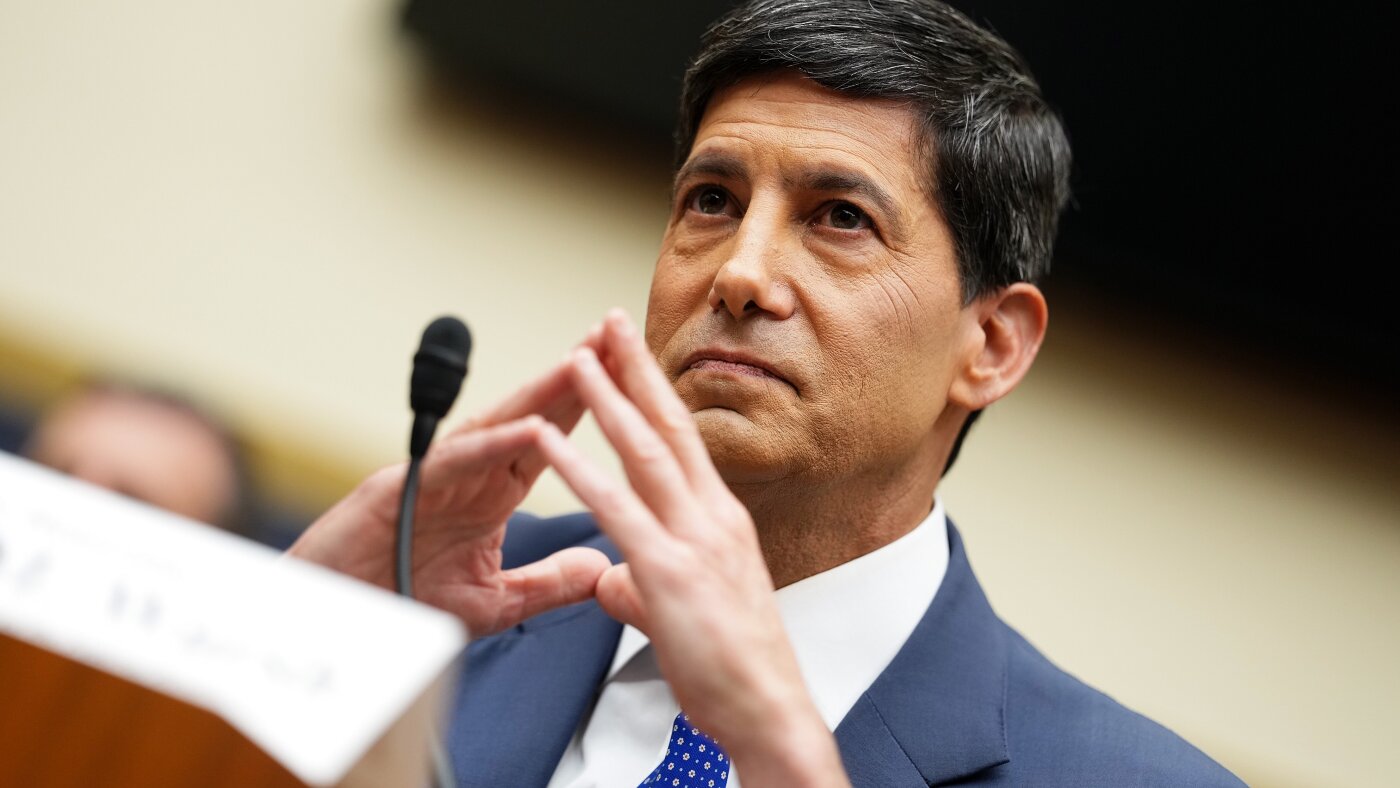
Federal Reserve Chairman Kevin Warsh and the central bank’s rate-setting committee gather in Washington, with interest rates expected to remain unchanged. Policymakers face intense pressure from persistent inflation driven by Middle East conflict and energy disruptions, even as traders weigh the likelihood of a September rate increase.
Federal Reserve policymakers are grappling with five-year-long inflation pressures that remain stuck above the central bank’s 2% target. Meeting in Washington on Tuesday and Wednesday, the Federal Open Market Committee is expected to keep its benchmark interest rate unchanged.
Yet, the decision arrives amid unusual uncertainty. A renewed inflation scare driven by geopolitical conflict in the Middle East has put a surprise rate increase in play, setting up a divided committee where a minority of members are prepared to call for immediate tightening, according to CNBC analysis.
Kevin Warsh Presides Over a Divided Committee and Quiet Reform
Presiding over his second policy meeting as central bank head, Chairman Kevin Warsh has maintained a notable silence regarding short-term policy direction. On the evening of June 15, before his first policy meeting, Warsh gathered with the 18 officials who set interest rates around a rectangular dinner table to announce plans for five panels of outside experts to examine how the Fed reads the economy and explains itself.

That approach has divided opinion. Governor Christopher Waller challenged the initiative at the dinner, asking what the point of the groups would be when no hidden ideas remained undiscovered. Warsh has also committed to ending forward guidance, breaking with decades of Federal Reserve communication practices established around the year 2000.
“It’s going to lead to market volatility. It makes businesses more reluctant to invest, meaning they’ll be less likely to demand workers to build the kinds of goods and services … because they’re uncertain about what the Fed is going to be doing.”
Narayana Kocherlakota, economics professor at the University of Rochester and former president of the Federal Reserve Bank of Minneapolis, via CNN
Ahead of this week’s announcement, Wall Street sentiment has shifted. Only 29% of traders predicted a rate increase this week, while 76% foresee a rate hike in September, according to the CME FedWatch tool.
Energy Disruptions and the Iran War Complicate Monetary Policy
Casting uncertainty over the central bank’s deliberations is the ongoing war with Iran. Following attacks on Feb. 28, Iran shut down the Strait of Hormuz, through which a fifth of the world’s oil and natural gas pass. Although prices have bobbed up and down depending on negotiations, the price of oil briefly blasted past $100 a barrel amid intensifying fighting.

Simultaneously, Iranian-backed Houthi rebels from Yemen have targeted shipping in the Red Sea, attempting to stop tankers carrying Saudi oil through the Bab el-Mandeb Strait.
“Should the (Fed) set monetary conditions on a hope that oil prices will reverse course and stay low … or should a central bank eschew wishful thinking and do its job of minimizing the probabilities that inflation will exceed target?”
Carl Weinberg, chief economist at High Frequency Economics, via Associated Press
Despite these pressures, Warsh has downplayed the immediate monetary impact of commodity shocks. In Senate testimony on July 15, he noted that Particular price shocks happen to particular prices that we don't have control over.
Artificial Intelligence Investments and Labor Market Stability
Beyond energy markets, policymakers are examining how massive tech sector spending on artificial intelligence data centers affects inflation. The rapid build-out has put upward pressure on electricity and computer chips and equipment.
At the same time, the broader American labor market demonstrates resilience. Warsh informed lawmakers that America's labor force appears to be broadly stable,
noting that job creation has kept pace with the workforce and unemployment has changed little over the past year.
High Borrowing Costs Persist for American Consumers
While the Federal Reserve keeps its benchmark rate steady, borrowing costs across the economy remain stubbornly high due to bond market dynamics and Treasury yields.
- Savings:
With the policy announcement scheduled for Wednesday afternoon followed by Chairman Warsh’s press conference, market participants will look for definitive clues regarding whether the central bank will initiate a rate hike when policymakers reconvene on Sept. 15–16.
Worth a look