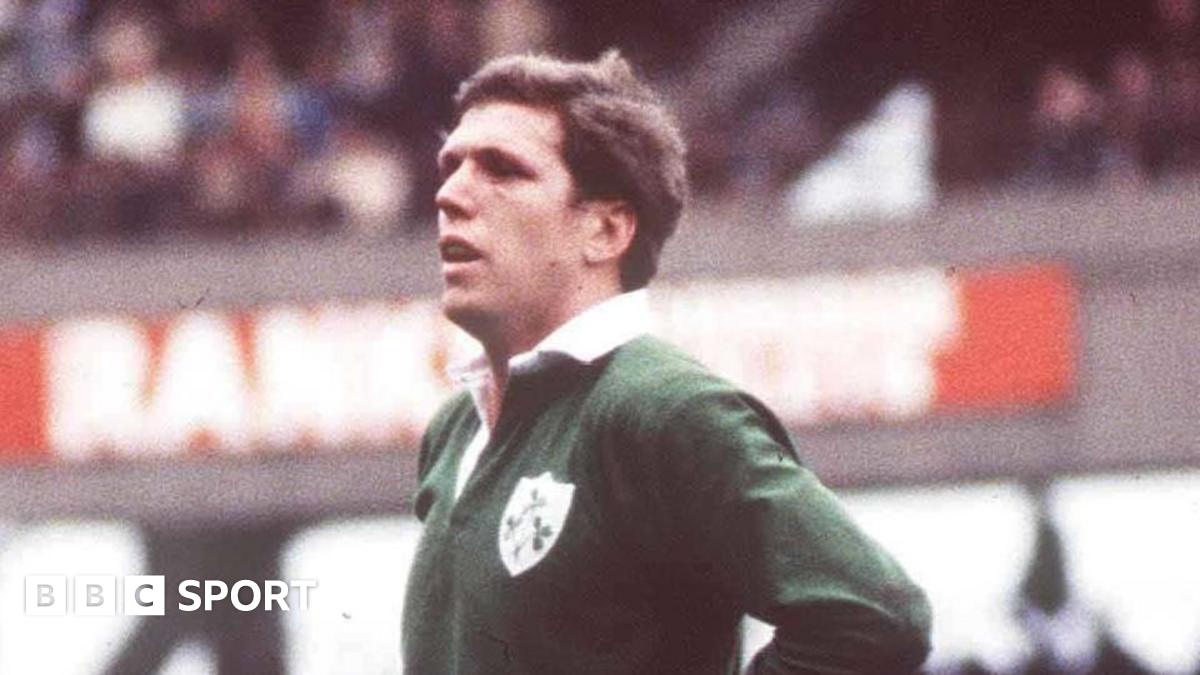
The rugby world is in mourning following the announcement of the death of Fergus Slattery, the legendary former Ireland and British and Irish Lions back row forward, at the age of 77. A towering figure in the sport during the 1970s, Slattery earned a reputation as one of the most durable and effective flankers of his generation, leaving an indelible mark on the international game.
Known for his tireless work rate and exceptional reading of the game, Slattery’s career was defined by his tenacity on the pitch and his commitment to the jersey. His passing marks the end of an era for those who followed the intense, physical style of rugby that characterized the amateur era of the sport. His contributions to the game, particularly his performances for both his country and the touring Lions, remain a subject of admiration among rugby historians and fans alike.
A Distinguished Career on the International Stage
Fergus Slattery’s journey to the pinnacle of rugby began at Blackrock College, an institution with a rich history of producing elite rugby talent. His rise through the ranks was swift, leading to his debut for the Ireland national team. Over the course of his international career, he became a fixture in the Irish pack, earning 61 caps for his country, a significant tally for an era with fewer international fixtures than the modern game. The Irish Rugby Football Union (IRFU) has long recognized his role as a key architect of Irish success during the 1970s.
Perhaps his most enduring legacy lies in his involvement with the British and Irish Lions. Slattery was a vital component of the legendary 1971 and 1974 Lions squads. His performance during the 1974 tour of South Africa, in particular, is frequently cited by rugby analysts as a masterclass in back-row play. Playing alongside other greats of the game, he helped the Lions achieve historic results that remain celebrated in the annals of rugby union history.
The Impact of a Rugby Icon
Beyond his statistics and trophy cabinet, Slattery was known for his influence on the culture of the sport. As a flanker, he possessed a unique blend of speed, defensive awareness, and ball-carrying ability that set him apart from his contemporaries. His teammates often spoke of his leadership and the quiet intensity he brought to the dressing room, qualities that solidified his status as a talismanic figure in Irish rugby.
The announcement of his passing has prompted an outpouring of tributes from across the global rugby community. Former players, coaches, and representative bodies have expressed their condolences, highlighting not just his prowess as an athlete, but his character as a person. His legacy serves as a bridge between the foundational years of modern international rugby and the professional landscape seen today.
Key Milestones of a Storied Life
- International Caps: Represented Ireland on 61 occasions, a record that stood as a testament to his longevity and consistency.
- Lions Legacy: A central figure in the iconic British and Irish Lions tours, most notably the 1974 undefeated series against South Africa.
- Club Origins: A proud product of Blackrock College, where he developed the technical skills and tactical acumen that would define his professional trajectory.
Reflecting on the Legacy of Slattery
As the rugby community reflects on his life, Fergus Slattery’s influence extended far beyond the white lines of the pitch. He represented an ethos of hard work, sportsmanship, and dedication that remains the bedrock of the sport. His ability to perform at the highest level while maintaining a grounded perspective endeared him to fans throughout Ireland and abroad.

For those interested in the history of the sport or seeking to understand the evolution of the back row position, studying the career of Slattery provides invaluable insight. His approach to the game—characterized by relentless pressure and tactical intelligence—continues to be studied by coaches and players who aim to emulate the standard he set over four decades ago.
While the sport has changed significantly since his retirement, the fundamental principles that Slattery championed—teamwork, resilience, and respect for the opposition—remain as relevant today as they were in the 1970s. His life serves as a reminder of the enduring power of sport to create legends whose influence transcends their playing days.
Looking Ahead: Celebrating a Life in Sport
While formal arrangements for his funeral or memorial services are typically managed by the family and local representative bodies in due course, the rugby community will undoubtedly continue to pay its respects in the coming weeks. Fans are encouraged to share their memories and tributes through official channels, ensuring that his legacy is preserved for future generations of rugby enthusiasts.
As we honor the memory of Fergus Slattery, we invite our readers to join the conversation and share their own reflections on his remarkable career. What was your favorite moment from his time on the pitch? Please feel free to leave your thoughts and tributes in the comments section below.