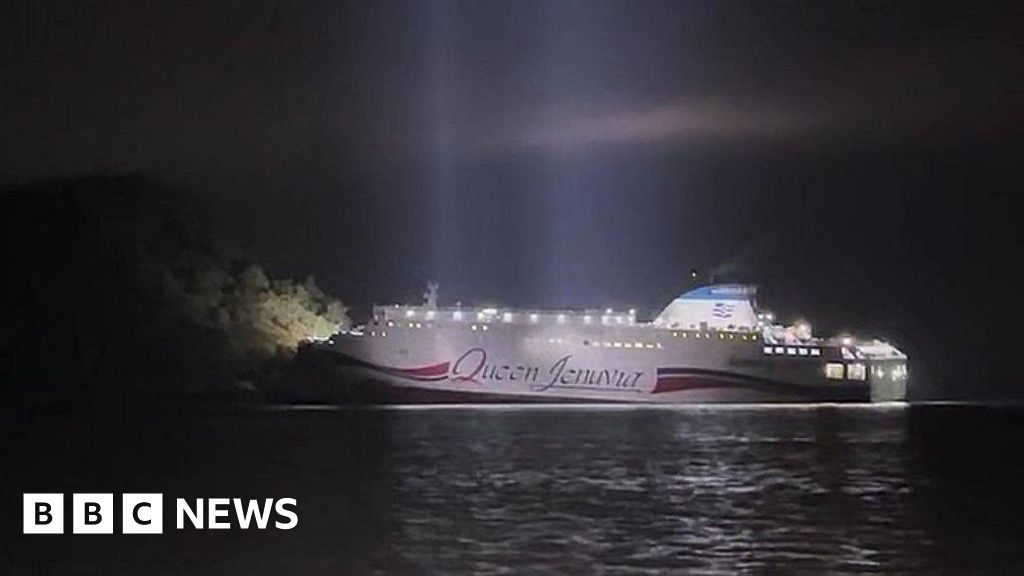
South Korean Ferry Runs Aground: All 267 Aboard Rescued – A Developing Story
A South Korean passenger ferry, the Queen Jenuvia 2, ran aground on rocks off the country’s southeast coast on Wednesday evening. Thankfully, all 267 passengers and crew were successfully rescued by the Coast Guard, with only minor injuries reported. this incident understandably brings back painful memories for many, given the tragic sinking of the Sewol ferry in 2014.
Here’s a breakdown of what we know so far, and what it means for maritime safety in the region.
What Happened?
The 26,000-tonne ferry struck a reef near Jangsan Island in Sinan County, close to the uninhabited island of Jogdo. The vessel was en route to the port city of Mokpo after departing from the popular resort island of Jeju.Currently, the queen Jenuvia 2 remains stuck and unable to move, but authorities have confirmed there is no immediate danger of sinking or capsizing.
Twenty-seven individuals sustained minor injuries as a result of the impact. The Coast Guard responded swiftly, prioritizing the safe evacuation of everyone on board.
Passengers Share Their experiences
The incident unfolded in real-time as passengers took to social media to share their accounts. One passenger described a “loud bang” followed by the ship tilting, prompting an declaration instructing everyone to don life jackets.
Kim Namhyun, a diving instructor who was traveling on the ferry, recounted a moment of fear to Reuters. He stated, “I thought I might die. The sound was too loud.” Though, recalling the 2014 Sewol tragedy, he emphasized the importance of remaining calm, moving outside, wearing a life jacket, and awaiting rescue. This highlights the lasting impact of past maritime disasters and the lessons learned.
Echoes of the Sewol Ferry Disaster
The location of this grounding is particularly sensitive. It’s near the site where the Sewol ferry sank in 2014, claiming the lives of over 300 people, most of whom were high school students on a field trip. The Sewol disaster remains a national trauma in South Korea,prompting meaningful reforms in maritime safety regulations.
The salvaged wreck of the Sewol was brought to Mokpo nearly three years after the sinking, serving as a somber reminder of the importance of preventative measures and effective emergency response.This recent incident inevitably raises questions about current safety protocols and whether enough has been done to prevent similar tragedies.
What’s Next?
The Coast Guard is currently planning to move the Queen Jenuvia 2 ashore during high tide. An examination will be launched to determine the exact cause of the grounding. This will likely involve examining navigational data, weather conditions, and potential mechanical issues.
Authorities will also review safety procedures and emergency response protocols to identify any areas for improvement.
Evergreen Insights: Maritime Safety in the 21st Century
Beyond this specific incident, understanding the broader context of maritime safety is crucial. here are some key considerations:
* Technological Advancements: Modern navigation systems,including GPS and radar,have considerably improved safety. However, reliance on technology can also create vulnerabilities, such as over-dependence and potential system failures.
* Human Error: Despite technological advancements, human error remains a significant contributing factor in maritime accidents. Fatigue, inadequate training, and poor decision-making can all play a role.
* Regulatory Frameworks: International and national regulations, such as those established by the International Maritime Organization (IMO), are essential for setting safety standards and ensuring compliance.
* Emergency Preparedness: Effective emergency response plans, including evacuation procedures, search and rescue operations, and medical support, are vital for minimizing the impact of maritime accidents.
* Continuous Improvement: Maritime safety is an ongoing process that requires continuous monitoring,evaluation,and improvement. Learning from past incidents, such as the Sewol disaster, is crucial for preventing future tragedies.
Frequently Asked Questions About Ferry Safety & this incident
1. What caused the Queen Jenuvia 2 to run aground?
The exact cause is still under investigation, but the ferry struck a reef near Jangsan Island. Factors like navigational errors, weather conditions, or potential mechanical issues are being examined.
**2
Keep reading