
Finland Launches Europe’s First Full-Cycle Lithium Mining Operation to Reduce Reliance on Asian Imports
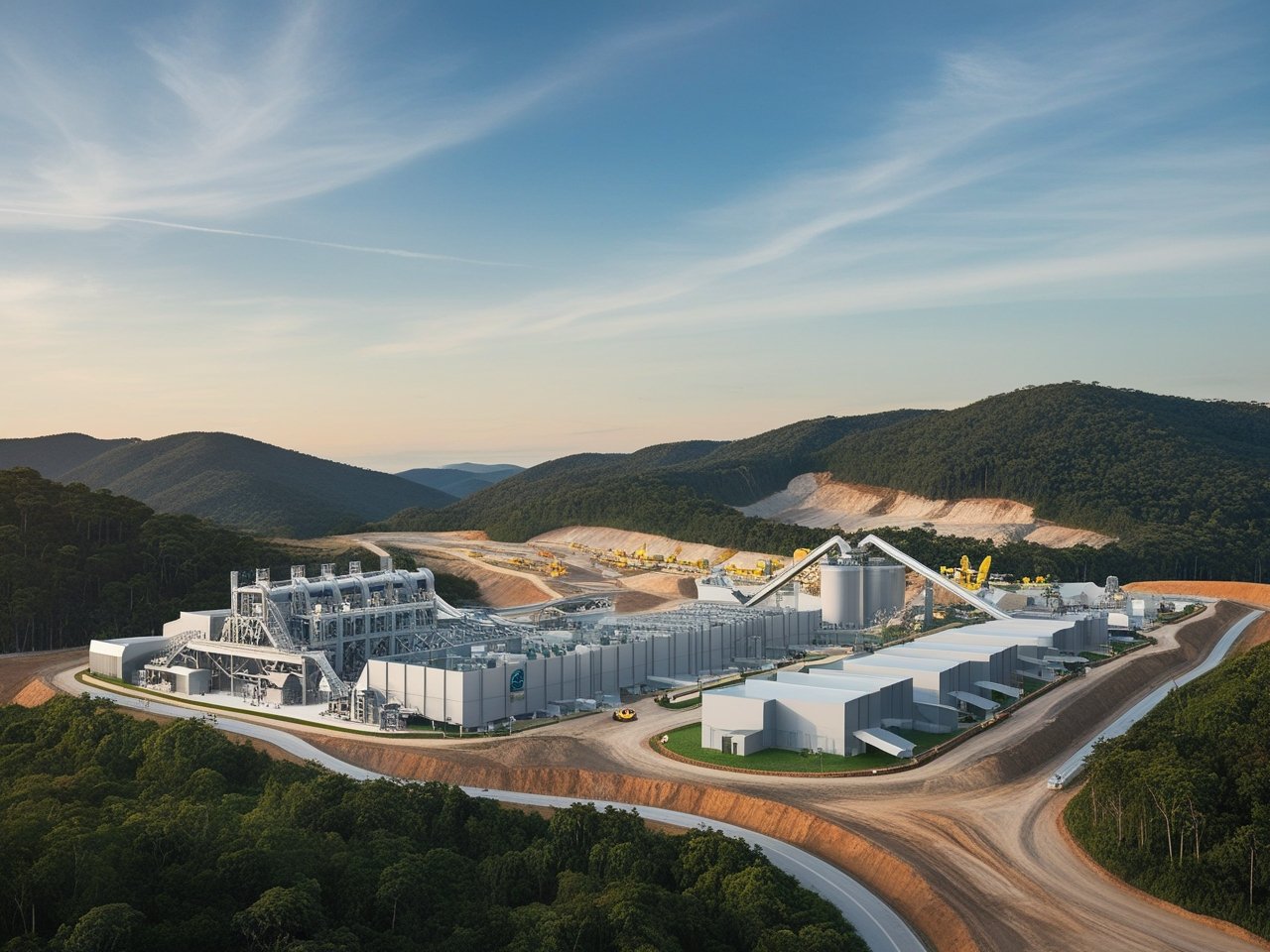
Finland has become the first country in Europe to establish a complete lithium production cycle, from mining to refining, marking a significant step toward reducing the continent’s dependence on Asian and Australian imports of the critical battery material. The Geological Survey of Finland (GTK) confirmed the milestone on Tuesday, April 28, 2026, as the Syväjärvi open-pit mine in Kaustinen began operations. The project, developed by Finnish mining company Keliber Oy, aims to produce battery-grade lithium hydroxide, a key component in electric vehicle (EV) batteries and consumer electronics.
Lithium has been dubbed the “oil of the 21st century” due to its essential role in modern technology, particularly in the transition to renewable energy and electric mobility. Europe currently sources nearly 80% of its lithium from Australia and Asia, according to the European Environment Agency, leaving the continent vulnerable to supply chain disruptions and geopolitical tensions. Finland’s new operation could reshape this dynamic by providing a domestic supply chain for the region’s rapidly growing battery industry.
Hannu Hautala, CEO of Keliber, emphasized the strategic importance of the project in a statement to the Geological Survey of Finland. “This initiative will reduce Europe’s reliance on imported lithium and strengthen the continent’s energy independence,” Hautala said. “Our lithium hydroxide will be supplied directly to European battery manufacturers, supporting the region’s green transition.” Whereas Hautala did not disclose specific customers, industry analysts suggest the output could benefit major European battery producers like Northvolt and ACC.
The Syväjärvi Mine: A Blueprint for European Lithium Production
The Syväjärvi mine, located in the Central Ostrobothnia region, is the cornerstone of Finland’s lithium ambitions. The €783 million project includes an open-pit mine, a nearby concentration plant, and a refinery designed to produce high-purity lithium hydroxide. Once fully operational—expected within two years—the mine is projected to yield enough lithium to power approximately 300,000 electric vehicles annually, based on current battery chemistry standards.
The production process begins with the extraction of spodumene ore, a lithium-bearing mineral. The ore is then transported to the concentration plant, where it is crushed and processed into a sand-like concentrate. This concentrate is shipped to the refinery, where it undergoes chemical processing to produce battery-grade lithium hydroxide. The entire operation adheres to Finland’s stringent environmental regulations, with Keliber implementing measures to minimize water usage and rehabilitate the mining site post-extraction.
Finland’s decision to develop its lithium resources aligns with the European Union’s Critical Raw Materials Act, adopted in 2023, which aims to secure domestic supplies of essential minerals. The act sets ambitious targets for the EU to produce at least 10% of its annual consumption of critical raw materials, including lithium, by 2030. With Finland holding some of Europe’s largest lithium reserves, the Syväjärvi project positions the country as a potential leader in meeting these goals.
Economic and Geopolitical Implications
The launch of Europe’s first full-cycle lithium operation comes at a pivotal moment for the continent’s energy transition. The EU’s ban on the sale of new internal combustion engine vehicles by 2035 has accelerated demand for lithium-ion batteries, which are also critical for energy storage systems and portable electronics. However, Europe’s battery industry has struggled with supply chain vulnerabilities, particularly during the COVID-19 pandemic and the ongoing geopolitical tensions in Asia.

Finland’s lithium reserves, estimated at over 2 million metric tons of lithium oxide by the Geological Survey of Finland, could provide a stable domestic supply for years to come. The Syväjärvi mine alone is expected to produce around 15,000 metric tons of lithium hydroxide annually, enough to meet roughly 10% of Europe’s current demand. This output could grow as additional mining projects, such as those in Portugal and Germany, come online in the coming years.
For Finland, the project represents a significant economic opportunity. The mining sector contributes approximately 1% to the country’s GDP, but the lithium industry could boost this figure as production scales up. Keliber’s investment has already created hundreds of jobs in the Kaustinen region, with the company projecting long-term employment for over 500 workers once the mine reaches full capacity. The Finnish government has also signaled its support for the project, with Minister of Economic Affairs Mika Lintilä stating in a 2025 press release that “Finland is committed to becoming a leader in sustainable mining and battery materials.”
Environmental and Social Considerations
While the Syväjärvi mine offers economic and strategic benefits, it has also sparked debate over its environmental and social impact. Lithium mining is often criticized for its water-intensive processes and potential ecological disruption. Keliber has addressed these concerns by implementing a closed-loop water system at the mine, which recycles 90% of the water used in processing. The company has also committed to restoring the mining site to its natural state once operations conclude, a process known as land rehabilitation.
Local communities in Kaustinen have expressed mixed reactions to the project. Some residents welcome the economic boost and job opportunities, while others have raised concerns about noise, dust, and the long-term effects on the region’s natural landscape. Keliber has engaged with local stakeholders through public consultations and has pledged to invest in community development initiatives, including infrastructure improvements and educational programs.
Environmental groups, such as the Finnish Association for Nature Conservation, have called for stricter oversight of the mine’s operations. “While we recognize the importance of lithium for the green transition, it is crucial that mining is done responsibly,” said a spokesperson for the organization. “We will be monitoring the project closely to ensure it adheres to the highest environmental standards.”
What’s Next for Europe’s Lithium Industry?
The success of Finland’s lithium project could pave the way for similar initiatives across Europe. Portugal, which holds the continent’s second-largest lithium reserves, is advancing its own mining projects, while Germany and the Czech Republic are exploring lithium extraction from geothermal brines. The European Battery Alliance, a coalition of industry stakeholders and policymakers, has identified lithium as a priority material for the region’s energy security.
For Keliber, the next two years will be critical as the company ramps up production and secures long-term contracts with European battery manufacturers. The company is also exploring opportunities to expand its operations, including potential partnerships with automakers and energy storage firms. “Our goal is to establish Finland as a reliable and sustainable source of lithium for Europe,” Hautala said. “Here’s just the beginning.”
Key Takeaways
- Historic Milestone: Finland is the first European country to establish a full-cycle lithium production operation, from mining to refining.
- Strategic Importance: The project aims to reduce Europe’s reliance on lithium imports from Asia and Australia, enhancing energy independence.
- Economic Impact: The €783 million Syväjärvi mine is expected to create over 500 jobs and contribute to Finland’s GDP growth.
- Environmental Measures: Keliber has implemented water recycling and land rehabilitation plans to minimize the mine’s ecological footprint.
- Future Outlook: The project aligns with the EU’s Critical Raw Materials Act, which targets 10% domestic production of critical minerals by 2030.
FAQ
Why is lithium important for Europe?
Lithium is a critical component in lithium-ion batteries, which power electric vehicles, smartphones, and energy storage systems. Europe’s transition to renewable energy and electric mobility has increased demand for lithium, but the continent currently relies heavily on imports from Asia and Australia.
How much lithium will the Syväjärvi mine produce?
The mine is expected to produce approximately 15,000 metric tons of battery-grade lithium hydroxide annually, enough to power around 300,000 electric vehicles per year.
What are the environmental concerns associated with lithium mining?
Lithium mining can be water-intensive and may disrupt local ecosystems. Keliber has addressed these concerns by implementing a closed-loop water system and committing to land rehabilitation after mining operations conclude.
How does this project align with EU policy?
The Syväjärvi mine supports the European Union’s Critical Raw Materials Act, which aims to secure domestic supplies of essential minerals, including lithium, to reduce reliance on foreign imports.
What’s next for Keliber and Finland’s lithium industry?
Keliber plans to ramp up production over the next two years and secure contracts with European battery manufacturers. Finland is also exploring additional lithium projects to further boost domestic production.
The next official update on the Syväjärvi mine’s progress is expected in late 2026, when Keliber releases its annual production report. For now, the project stands as a landmark achievement in Europe’s quest for energy independence and sustainable mining.
What are your thoughts on Finland’s lithium initiative? Do you consider Europe can achieve its goal of reducing reliance on foreign lithium imports? Share your comments below and join the conversation on social media.