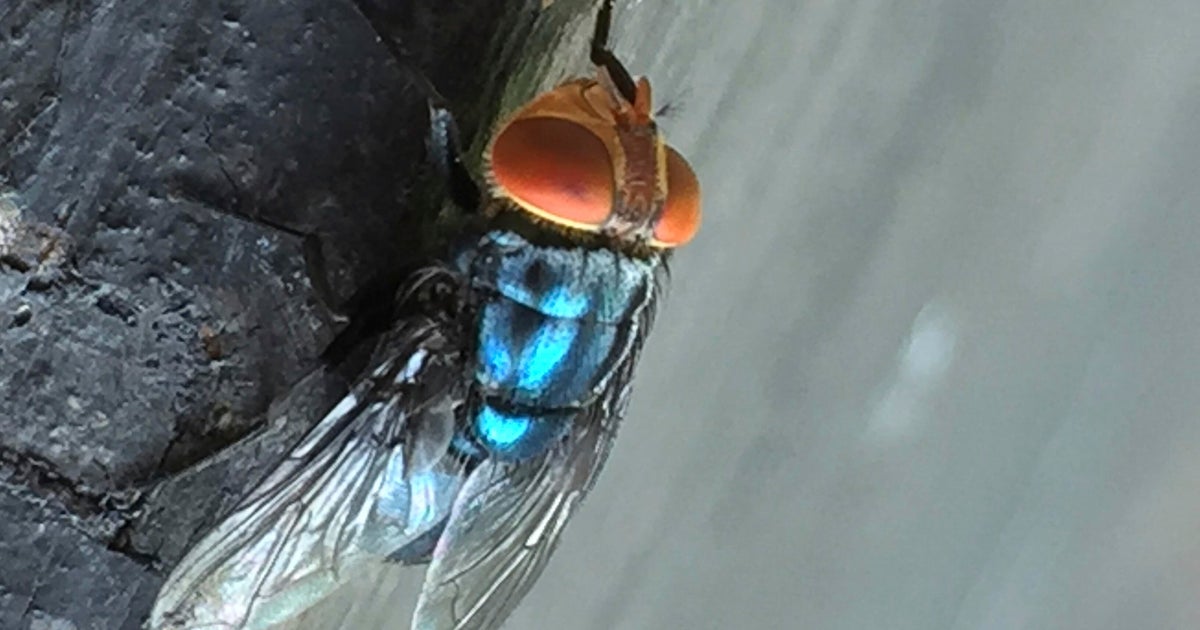
The United States Department of Agriculture (USDA) recently confirmed a case of the New World screwworm in a calf located in Texas, marking a significant development for livestock health officials monitoring the southern border. The discovery of this parasitic pest—scientifically known as Cochliomyia hominivorax—has triggered heightened surveillance protocols across the region, given the historical economic impact and severe health risks associated with the larvae.
For those unfamiliar with the species, the New World screwworm is not a typical fly. Unlike common blowflies, the female screwworm fly lays her eggs in the open wounds of warm-blooded animals. Once the eggs hatch, the larvae burrow into the living tissue, consuming the host’s flesh. This process, known as myiasis, can be fatal if left untreated, leading to secondary infections and significant tissue damage. The USDA Animal and Plant Health Inspection Service (APHIS) maintains rigorous monitoring programs to prevent the re-establishment of this parasite within the domestic cattle population.
Historical Context and Eradication Efforts
The United States successfully eradicated the New World screwworm in 1966 using the Sterile Insect Technique (SIT), a biological control method that involves releasing large numbers of sterilized male flies to disrupt the reproductive cycle of the population. Since that time, the pest has been largely confined to Central and South America. The border between the U.S. And Mexico remains the primary frontline for exclusion, with the Comisión México-Estados Unidos para la Erradicación del Gusano Barrenador del Ganado (the Mexico-U.S. Commission for the Eradication of Screwworm) working continuously to maintain a sterile barrier across the Isthmus of Tehuantepec in Mexico.
When cases are detected, they are typically isolated incidents involving animals that have traveled across the border. Because the screwworm cannot survive the cold winters of the northern United States, the focus of federal and state agencies remains on rapid detection and containment in southern territories. Livestock producers are urged to monitor their animals closely, particularly after surgical procedures like branding, dehorning, or castration, as these open wounds serve as prime targets for the fly.
What Producers and Veterinarians Should Look For
The identification of the screwworm in a Texas calf serves as a reminder for ranchers to maintain strict biosecurity standards. The symptoms of a screwworm infestation are distinct from common bacterial infections. Veterinarians look for deep, pocket-like wounds that contain wriggling larvae, often accompanied by a distinct, unpleasant odor. Because the larvae feed on living tissue, the animal may display signs of significant distress or lethargy.
The Texas Animal Health Commission (TAHC), which serves as the state’s primary regulatory body, has established protocols for the reporting of suspected cases. According to state guidelines, any producer who suspects an infestation should immediately isolate the affected animal and contact their local veterinarian or the TAHC office. Early intervention is the most effective way to prevent the spread of the parasite to the rest of the herd.
Key Takeaways for Livestock Safety
- Monitor Wounds: Inspect all livestock, especially those with recent skin abrasions or surgical wounds, on a daily basis.
- Report Suspicious Activity: If you observe larvae in an animal’s wound, do not attempt to treat it yourself without professional veterinary consultation. Save a sample of the larvae in alcohol for identification by experts.
- Border Vigilance: Producers near the southern border should maintain stringent movement records for all incoming livestock.
- Official Guidance: Stay updated via the USDA APHIS official website for any changes in regional quarantine status or required testing procedures.
The Path Forward and Regulatory Response
As of this reporting, federal agencies are conducting thorough epidemiological investigations to determine the origin of the infestation. This includes tracing the movement of the affected animal and surveying the surrounding area to ensure that no other flies are present. The goal of the USDA is to maintain the “screwworm-free” status of the United States, a status that has been vital to the international trade of U.S. Livestock for decades.

The resilience of the U.S. Cattle industry relies heavily on the ability of federal and state partners to respond to such incursions with speed and precision. While a single detection does not necessarily indicate a widespread outbreak, it does serve as a critical alert for the agricultural community. Future updates regarding the investigation will be disseminated through official state and federal channels as new information becomes available.
If you are a livestock producer or involved in the veterinary sector, ensure your contact information is up to date with your regional animal health office to receive emergency alerts. We will continue to monitor the situation as official reports are released by the Department of Agriculture. Please share your thoughts or questions regarding livestock biosecurity in the comments section below.
Worth a look