
In an era where chronic lifestyle diseases and social isolation are reaching critical levels, the emergence of localized, community-driven health initiatives is no longer just a benefit—it is a public health necessity. In Springfield, a new initiative is attempting to bridge the gap between clinical health advice and actual community practice through a holistic approach to movement and mental well-being.
The organization Follow My Steps is set to host its Day of Wellness on Saturday, May 16, from noon to 3 p.m. At Best Fitness Springfield. This event is designed to serve as more than a simple fitness gathering; it is a strategic intervention aimed at promoting community wellness events that integrate physical activity, mental health support, and the removal of socioeconomic barriers to healthy living.
As a physician and journalist, I have observed that the greatest hurdle in public health is rarely a lack of information—we all realize we should move more and stress less—but rather a lack of access and social infrastructure. By combining a guided workout, a mental health session, and the provision of essential gear like running sneakers, Follow My Steps is addressing the “social determinants of health”—the conditions in which people are born, grow, live, and function that shape their health outcomes.
The event is open to individuals and families of all fitness levels, ensuring an inclusive environment where participants can recharge and establish sustainable healthy habits. Through partnerships with local wellness providers, the Day of Wellness seeks to create a supportive ecosystem that encourages long-term behavioral change rather than a one-day burst of activity.
The Anatomy of a Community Wellness Intervention
The Day of Wellness is structured around three core pillars: movement, connection, and resource accessibility. According to the World Health Organization (WHO), regular physical activity is essential in preventing and managing non-communicable diseases such as heart disease, type 2 diabetes, and several cancers. However, for many, the gym can be an intimidating or unaffordable space.
To combat this, the event features a guided, family-friendly workout session. By making the workout “family-friendly” and “suitable for all experience levels,” the organizers are lowering the psychological barrier to entry. When fitness is framed as a collective, inclusive experience rather than a competitive one, participation rates among marginalized or sedentary populations typically increase.
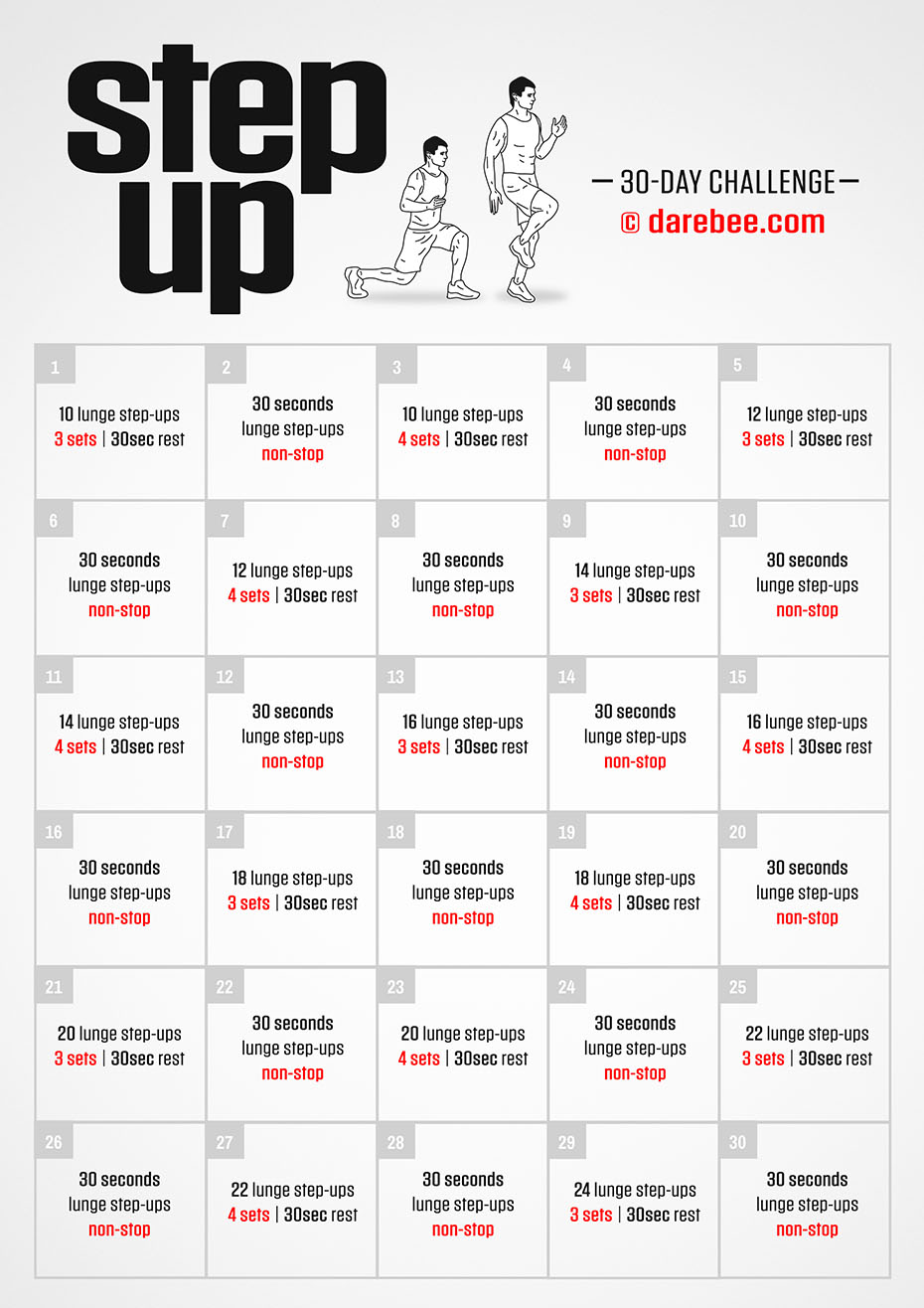
A central highlight of the afternoon is the interactive Step Up Challenge. This challenge encourages participants to track their activity and work toward personal wellness goals. The incentive for completing the challenge is significant: eligible participants, including youth ages 13-18 and participating parents, can receive a free pair of running sneakers, subject to availability. From a clinical perspective, providing appropriate footwear is a critical step in preventing musculoskeletal injuries and removing a tangible financial barrier that often prevents individuals from starting a walking or running regimen.
Integrating Mental Health into Physical Fitness
One of the most commendable aspects of the Day of Wellness is the recognition that physical health cannot exist in a vacuum. The event includes a complimentary mental health group session led by a licensed facilitator. This provides a dedicated space for reflection and conversation focused on emotional well-being, acknowledging that stress, anxiety, and depression are often the primary inhibitors of physical activity.
The Centers for Disease Control and Prevention (CDC) has frequently highlighted the bidirectional relationship between mental and physical health. Exercise releases endorphins and reduces cortisol, but the “willpower” to exercise is often depleted by mental health struggles. By placing a licensed mental health professional alongside fitness trainers, Follow My Steps is implementing a “whole-person” care model.
Group sessions, in particular, address the growing epidemic of loneliness. Social connection acts as a biological buffer against stress. When community members engage in shared vulnerability and support, the resulting social cohesion creates a “safety net” that encourages individuals to stay committed to their health goals long after the event has concluded.
Removing Socioeconomic Barriers to Health
Public health equity requires more than just providing advice; it requires providing the tools for success. The collaboration between Follow My Steps and Best Fitness Springfield exemplifies this. In addition to the sneakers provided through the Step Up Challenge, attendees will have the opportunity to receive a free trial gym membership courtesy of Best Fitness.
For many families, the cost of a monthly gym membership is a prohibitive expense. A free trial serves as a “low-stakes” entry point, allowing individuals to familiarize themselves with the equipment and the environment without financial risk. When combined with raffles for wellness-focused prizes and connections with local vendors, the event transforms into a resource hub.
This approach targets what we call “health literacy” and “resource navigation.” Many people are unaware of the local services available to them. By bringing these vendors and partners into one space, the Day of Wellness simplifies the process of finding healthcare providers, nutritionists, and fitness coaches, effectively streamlining the path to a healthier lifestyle.
The Long-Term Impact of Localized Health Initiatives
The ultimate goal of such events, as stated by Jayne Astacio Melendez, director of Programming for Follow My Steps, is for participants to abandon feeling “energized, supported, and inspired to take meaningful steps toward healthier lives.” While a single afternoon cannot cure chronic illness, it can trigger a “pivot point” in an individual’s life.
From a medical standpoint, the most effective health interventions are those that are sustainable. The “Step Up Challenge” is a prime example of using “gamification” to build habits. By setting a goal and rewarding its achievement, the event leverages dopamine-driven reward systems to reinforce the behavior of movement.
the focus on youth (ages 13-18) is critical. Adolescence is the window during which lifelong health habits are formed. Providing teenagers with the gear and the community support to be active can significantly reduce the risk of obesity and mental health crises in early adulthood.
Key Takeaways for Community Health
- Holistic Integration: Combining physical activity with licensed mental health support addresses the root causes of sedentary behavior.
- Barrier Removal: Providing free footwear and gym trials eliminates the “cost of entry” for low-income participants.
- Social Cohesion: Family-friendly, inclusive environments reduce the intimidation factor associated with fitness centers.
- Resource Hubs: Connecting citizens with local vendors increases health literacy and access to care.
How to Participate and Register
For those looking to attend or support the event, advance registration is highly encouraged to ensure access to specific offerings and to manage the limited quantities of footwear and prizes.
The registration deadline is May 14. The Step Up Challenge must be completed to qualify for the complimentary sneakers. For more information, residents can visit the official website at www.followmysteps.org or contact Jayne Astacio Melendez directly at (413) 218-7717.
As we look toward the future of healthcare, the clinic cannot be the only place where health happens. The sidewalk, the local gym, and the community center are the new front lines of preventative medicine. Events like the Day of Wellness prove that when we prioritize connection and accessibility, health becomes attainable for everyone, regardless of their starting point.
The next confirmed checkpoint for this initiative is the registration deadline on May 14, followed by the event execution on May 16. We encourage readers to share this information with neighbors and families in the Springfield area to maximize the community impact.
Do you believe more cities should implement “Day of Wellness” models to combat urban health crises? Share your thoughts in the comments below or share this article with your local community leaders.
Keep reading