
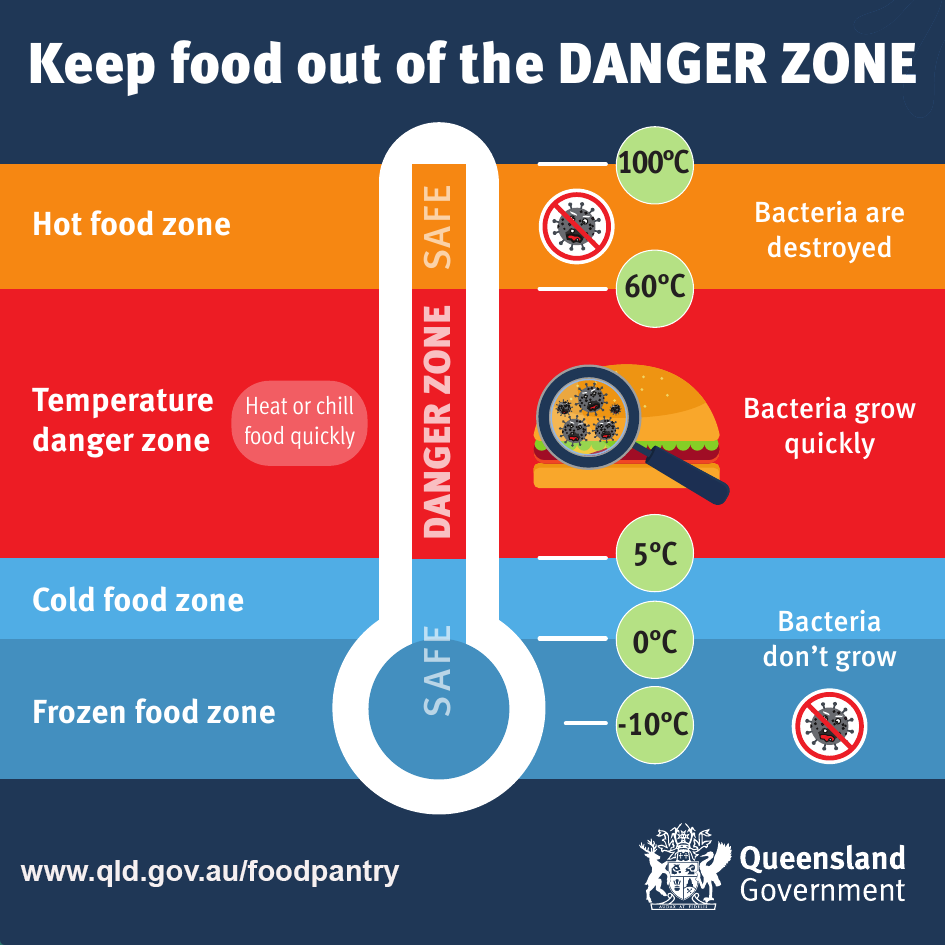
The “danger zone” for food safety is the temperature range between 40°F and 140°F (4°C and 60°C) where bacteria can multiply most rapidly. Staying outside this window is the single most effective way to prevent foodborne illnesses caused by pathogens like Salmonella, E. coli, and Listeria.
For anyone managing a household kitchen or working in food service, understanding this thermal window is not just a matter of culinary precision—it is a fundamental requirement of public health. When perishable foods, particularly meats and dairy products, sit within this temperature range, certain bacteria can double in number in as little as 20 minutes. This rapid proliferation can turn a safe meal into a significant health risk in a very short amount of time.
As a physician, I have seen firsthand the complications that arise from preventable foodborne infections. From severe gastrointestinal distress to long-term neurological issues or kidney failure, the impact of food poisoning can be devastating. Fortunately, most cases are avoidable by strictly adhering to temperature control protocols established by leading health authorities, such as the U.S. Food and Drug Administration (FDA) and the U.S. Department of Agriculture (USDA).
The Science of the Danger Zone: Why Temperature Matters
Bacteria are microscopic organisms that require specific environmental conditions to thrive: moisture, nutrients, and warmth. Perishable foods like meat, poultry, eggs, and dairy are essentially “perfect” environments for them because they are rich in protein and water.
The “danger zone” refers to the specific temperature bracket where the metabolic processes of bacteria accelerate. Below 40°F (4°C), most foodborne pathogens slow down their growth, though they do not necessarily die. Above 140°F (60°C), most bacteria begin to die off as the heat denatures their essential proteins. However, the window between these two points is a biological accelerator.
It is a common misconception that “cooking the smell away” or “reheating until it’s hot” can always fix food that has sat out too long. While heat can kill live bacteria, it does not always neutralize the heat-stable toxins some bacteria produce while they are multiplying. This is why prevention—keeping food out of the danger zone in the first place—is the only reliable strategy.
High-Risk Foods: Meat, Poultry, and Cheese
While almost any cooked food can enter the danger zone, certain categories carry a significantly higher risk due to their biological composition.
Meat and Poultry
Raw and cooked meats are highly susceptible to contamination. Poultry is a primary carrier of Salmonella and Campylobacter, while ground meats like beef are frequent sources of E. coli. The increased surface area in ground meats, compared to whole cuts like steak, means that bacteria on the surface are mixed throughout the product, making internal temperature control even more critical.
Dairy and Soft Cheeses
Dairy products are highly perishable due to their moisture and nutrient content. While hard cheeses (like Parmesan or sharp Cheddar) are relatively stable because of their low moisture and high salt content, soft cheeses pose a much higher risk. Soft cheeses—such as Brie, Camembert, and certain types of feta—are particularly vulnerable to Listeria monocytogenes. Unlike many other bacteria, Listeria can actually continue to grow at refrigeration temperatures, making strict temperature management and hygiene even more vital for these products.
Critical Prevention Strategies for the Home Kitchen
Preventing foodborne illness requires a proactive approach to how you shop, store, and prepare food. Following these evidence-based guidelines can significantly reduce your risk.
The Two-Hour Rule
A fundamental rule of food safety is that perishable foods should never be left in the danger zone for more than two hours. If the ambient temperature is above 90°F (32°C)—such as during a summer picnic or in a hot kitchen—that window shrinks to just one hour. This includes meat, poultry, seafood, eggs, milk, and any cooked dishes containing these ingredients.
Mastering the Cold Chain
The “cold chain” refers to the uninterrupted series of refrigerated storage and transport that keeps food safe from the manufacturer to your table. To maintain this at home:
- Refrigeration: Ensure your refrigerator is set to 40°F (4°C) or below.
- Freezing: Keep freezers at 0°F (-18°C) to maintain food quality and safety.
- Grocery Shopping: Plan your route so that frozen and refrigerated items are the last things you pick up before checking out.
- Transport: Use insulated bags or coolers when transporting perishables, especially in warm weather.
Safe Cooling and Reheating
Many people make the mistake of putting a large, steaming pot of soup directly into the fridge. This can raise the internal temperature of the refrigerator, potentially pushing other foods into the danger zone. Instead, divide large portions into shallow containers to allow them to cool more quickly. When reheating, ensure that leftovers reach an internal temperature of 165°F (74°C) to kill any bacteria that may have grown during storage.
Essential Temperature Reference Guide
To ensure safety, you should not rely on visual cues like color or texture. The only way to verify food safety is through the use of a calibrated food thermometer. Below are the recommended minimum internal temperatures for common foods, as established by the USDA Food Safety and Inspection Service.
| Food Item | Minimum Internal Temperature |
|---|---|
| Poultry (Whole, pieces, or ground) | 165°F (74°C) |
| Ground Meats (Beef, Pork, Lamb) | 160°F (71°C) |
| Fresh Beef, Pork, Lamb (Steaks, Roasts) | 145°F (63°C) + 3-minute rest |
| Seafood | 145°F (63°C) |
| Leftovers and Casseroles | 165°F (74°C) |
Key Takeaways for Food Safety
- Avoid the Danger Zone: Keep cold foods below 40°F and hot foods above 140°F.
- Watch the Clock: Never leave perishables out for more than two hours (one hour in high heat).
- Use a Thermometer: Visual cues are unreliable; use a digital thermometer to verify internal temperatures.
- Prioritize Perishables: Be extra vigilant with meat, poultry, and soft cheeses.
- Cool Efficiently: Use shallow containers to cool leftovers quickly before refrigeration.
Public health agencies like the FDA and USDA regularly update their food safety guidelines based on emerging pathogen data and new research. We recommend checking their official websites for the latest advisories regarding specific food recalls or seasonal safety warnings.
Have you ever had a close call with food safety or a question about specific storage methods? Share your experiences and questions in the comments below to help our community stay informed and safe.