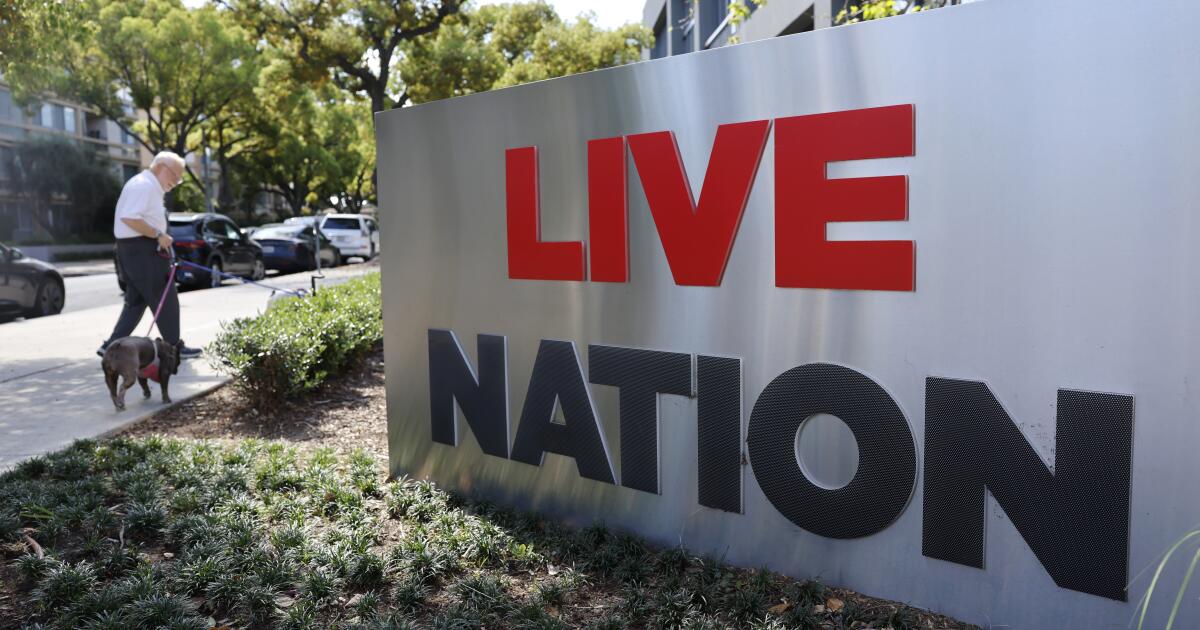
A former executive at Live Nation has filed a lawsuit alleging wrongful termination after raising concerns about the company’s financial practices. Nicholas Rumanes claims he was recruited in 2022 to leave a position at a real estate investment trust to take on a newly created role as executive vice president of development and business practices at Live Nation’s Beverly Hills headquarters. According to the legal filing, he soon began questioning what he described as improper accounting procedures and financial misrepresentations within the company.
The lawsuit, filed in Los Angeles County Superior Court, states that Rumanes raised “serious and legitimate alarm” about Live Nation’s business practices, including allegations that the company inflated projected revenues on venue development projects and failed to comply with a consent decree tied to its 2010 merger with Ticketmaster. Rumanes asserts that despite bringing these concerns to internal management, his warnings were repeatedly ignored, and he was subsequently terminated in retaliation for his efforts to uphold financial integrity and transparency.
Rumanes is seeking $35 million in damages, arguing that he was “fraudulently induced” to join Live Nation under false pretenses and then dismissed for insisting on conducting his duties with honesty and accountability. The complaint characterizes his termination as a direct response to his attempts to address what he viewed as systemic issues in the company’s financial oversight and reporting mechanisms.
This legal action comes shortly after a separate federal jury verdict in Manhattan found that Live Nation and its Ticketmaster subsidiary had operated an illegal monopoly over major concert venues, controlling approximately 86% of the relevant market. The court determined that the companies had engaged in anticompetitive practices that harmed both consumers and competing ticket sellers, a ruling that could have significant implications for the live entertainment industry’s structure and regulatory oversight.
Live Nation has not issued a public response to the lawsuit as of the filing date. The company’s representatives were not immediately available for comment when contacted by multiple news outlets following the submission of the legal documents. The case highlights ongoing scrutiny of corporate governance and accountability practices within major entertainment conglomerates, particularly regarding financial transparency and whistleblower protections.
The allegations center on claims that Live Nation maintained an opaque internal structure that allowed it to avoid external scrutiny of its financial operations. Rumanes contends that this environment enabled the misrepresentation of financial data to secure business advantages and that efforts to introduce greater accountability were met with resistance from leadership. These claims align with broader industry concerns about the concentration of power in the live events sector and the need for robust oversight mechanisms.
As the case proceeds through the California court system, it may shed light on internal controls at one of the world’s largest live entertainment companies and raise questions about how corporations handle internal disclosures of potential financial irregularities. The outcome could influence future discussions about corporate accountability, particularly in industries where market dominance and complex financial structures intersect.
For ongoing updates on this developing legal matter, readers are encouraged to consult official court records from the Los Angeles County Superior Court and monitor regulatory filings related to Live Nation’s ongoing compliance with antitrust regulations.
Share your thoughts on corporate accountability in the entertainment industry in the comments below, and help spread awareness by sharing this article with others interested in business ethics and financial transparency.
Related reading