Zurbarán’s Spiritual Visions Take Center Stage in Landmark London Exhibition
For centuries, Francisco de Zurbarán has been recognized as a master of Spanish Baroque painting, celebrated for his striking depictions of monastic life, still lifes, and historical scenes. Yet, unlike his contemporaries Diego Velázquez and Bartolomé Esteban Murillo, Zurbarán has never been the subject of a major solo exhibition in the United Kingdom – until now. A comprehensive exhibition opening at the National Gallery in London promises to illuminate the full breadth of his artistic genius, with a particular focus on his profoundly moving religious works. This exhibition arrives at a moment of renewed interest in the artist, offering a fresh perspective on his unique contribution to 17th-century art.

Born in Fuente de Cantos, Extremadura, in 1598, Zurbarán developed a distinctive style characterized by dramatic chiaroscuro – the use of strong contrasts between light and dark – and a meticulous attention to detail. This technique, earning him the nickname “the Spanish Caravaggio,” imbues his paintings with a sense of realism and emotional intensity. While he excelled in a variety of genres, This proves his spiritual paintings that are often considered his most powerful and enduring legacy. These works, often depicting saints, monks, and scenes from the life of Christ, explore themes of faith, sacrifice, and divine grace.
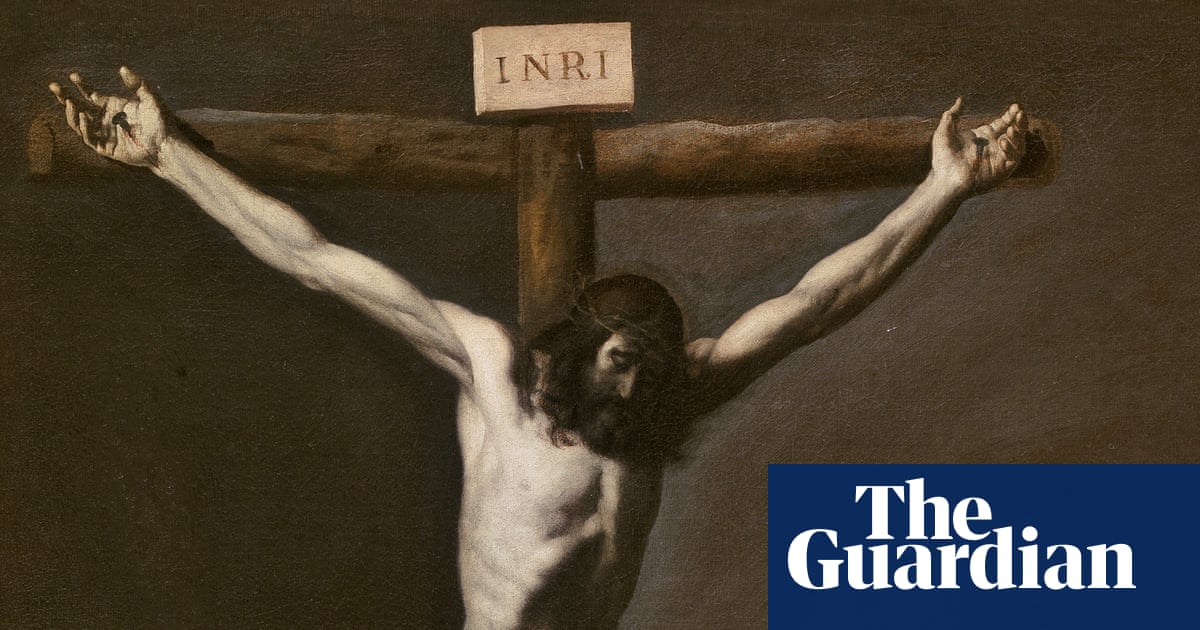
The exhibition at the National Gallery will showcase over 70 works by Zurbarán, drawn from collections across Europe and the Americas. Among the highlights is his haunting depiction of *Christ on the Cross*, a painting that, according to 17th-century artist and writer Antonio Palomino, was so realistic that viewers unfamiliar with the function believed it to be a sculpture. Palomino described how the painting, originally displayed in the monastery of San Pablo el Real in Seville with minimal lighting, appeared to “loom out of the dark like a vision.” This effect was achieved through Zurbarán’s masterful use of light and shadow, and his ability to render the textures of flesh and fabric with astonishing accuracy.
A Master of Contrasts: Zurbarán and Velázquez
Zurbarán’s artistic approach stands in stark contrast to that of his contemporary, Diego Velázquez. Both artists were commissioned by Philip IV of Spain to create works for the Palacio del Buen Retiro in Madrid, a grand palace intended to showcase the power and prestige of the Spanish monarchy. While both paintings now reside in the Museo del Prado, their styles are markedly different. Zurbarán’s *The Defence of Cádiz Against the English* presents a serene and almost frieze-like depiction of a naval battle, with Spanish generals observing the conflict from a distance. In contrast, Velázquez’s *The Surrender of Breda* is a dynamic and emotionally charged scene, capturing the moment of surrender with a sense of immediacy and drama. This difference reflects the artists’ distinct temperaments and artistic philosophies. Velázquez was known for his psychological insight and his ability to capture the fleeting moments of life, while Zurbarán focused on creating images of timeless spiritual significance.
The contrasting approaches of Zurbarán and Velázquez highlight the diversity of artistic expression within the Spanish Golden Age. While Velázquez’s work often celebrated the power and glory of the Spanish court, Zurbarán’s paintings frequently explored themes of religious devotion and contemplation. Both artists were masters of their craft, but they pursued different paths, leaving behind a rich and varied artistic legacy.
Beyond the Spiritual: A Versatile Artist
While Zurbarán is best known for his religious paintings, his artistic output was remarkably diverse. He likewise produced a significant number of still lifes, depicting objects such as fruits, vegetables, and game. These works demonstrate his exceptional technical skill and his ability to capture the textures and forms of everyday objects with remarkable realism. He also painted historical and mythological scenes, including depictions of the labors of Hercules and sea battles, showcasing his versatility as an artist.
Zurbarán’s career spanned several decades, and his style evolved over time. He initially worked in a highly realistic style, influenced by Caravaggio, but later adopted a more refined and classical approach. Throughout his career, however, he remained committed to creating images that were both visually compelling and emotionally resonant. His paintings often convey a sense of stillness and contemplation, inviting viewers to reflect on the deeper meaning of life and faith.
The Enduring Legacy of a Spanish Master
Francisco de Zurbarán died in Madrid in 1664, leaving behind a body of work that continues to inspire and captivate audiences today. Despite his significant contributions to Spanish Baroque art, he remained relatively unknown outside of Spain for many years. The current exhibition at the National Gallery marks a long-overdue recognition of his genius and a significant opportunity for British audiences to discover the beauty and power of his paintings. The exhibition aims to establish Zurbarán’s place among the great masters of the 17th century, alongside Velázquez and Murillo, and to shed latest light on his unique artistic vision.

The exhibition is expected to draw large crowds, and art enthusiasts from around the world are eagerly anticipating the opportunity to experience Zurbarán’s masterpieces firsthand. The National Gallery has prepared a comprehensive program of events to accompany the exhibition, including lectures, guided tours, and workshops, designed to enhance visitors’ understanding and appreciation of the artist’s work. The exhibition represents a major cultural event, and a testament to the enduring power of art to transcend time and cultural boundaries.
The National Gallery’s exhibition of Francisco de Zurbarán’s work offers a rare opportunity to delve into the world of a truly exceptional artist. His masterful use of light and shadow, his meticulous attention to detail, and his profound exploration of spiritual themes combine to create paintings that are both visually stunning and deeply moving. For those seeking a deeper understanding of Spanish Baroque art, or simply a moment of quiet contemplation, this exhibition is not to be missed.
The exhibition at the National Gallery is scheduled to run through September 2026. Further information, including ticket prices and opening hours, can be found on the National Gallery’s website. Visitors are encouraged to book their tickets in advance to avoid disappointment.
What do you think of Zurbarán’s work? Share your thoughts in the comments below!