
NASA astronaut Frank Rubio has become a significant figure in the agency’s ongoing preparations for the Artemis lunar missions, drawing attention not only for his extensive experience aboard the International Space Station (ISS) but also for his personal background as a first-generation American of Salvadoran descent. As NASA advances its multi-phase program to return humans to the lunar surface, Rubio’s career trajectory and his family’s public reflections have highlighted the human element behind the technical complexity of space exploration.
The interest surrounding Rubio’s role stems from his record-breaking tenure in space, where he completed a 371-day mission, the longest single spaceflight by an American astronaut, as documented by NASA’s official mission records. His mother, Myrna Argueta, has spoken publicly about the emotional weight of his achievements, framing his professional success within the context of their family’s journey and his commitment to the U.S. space program.
The Path to Artemis and Lunar Exploration
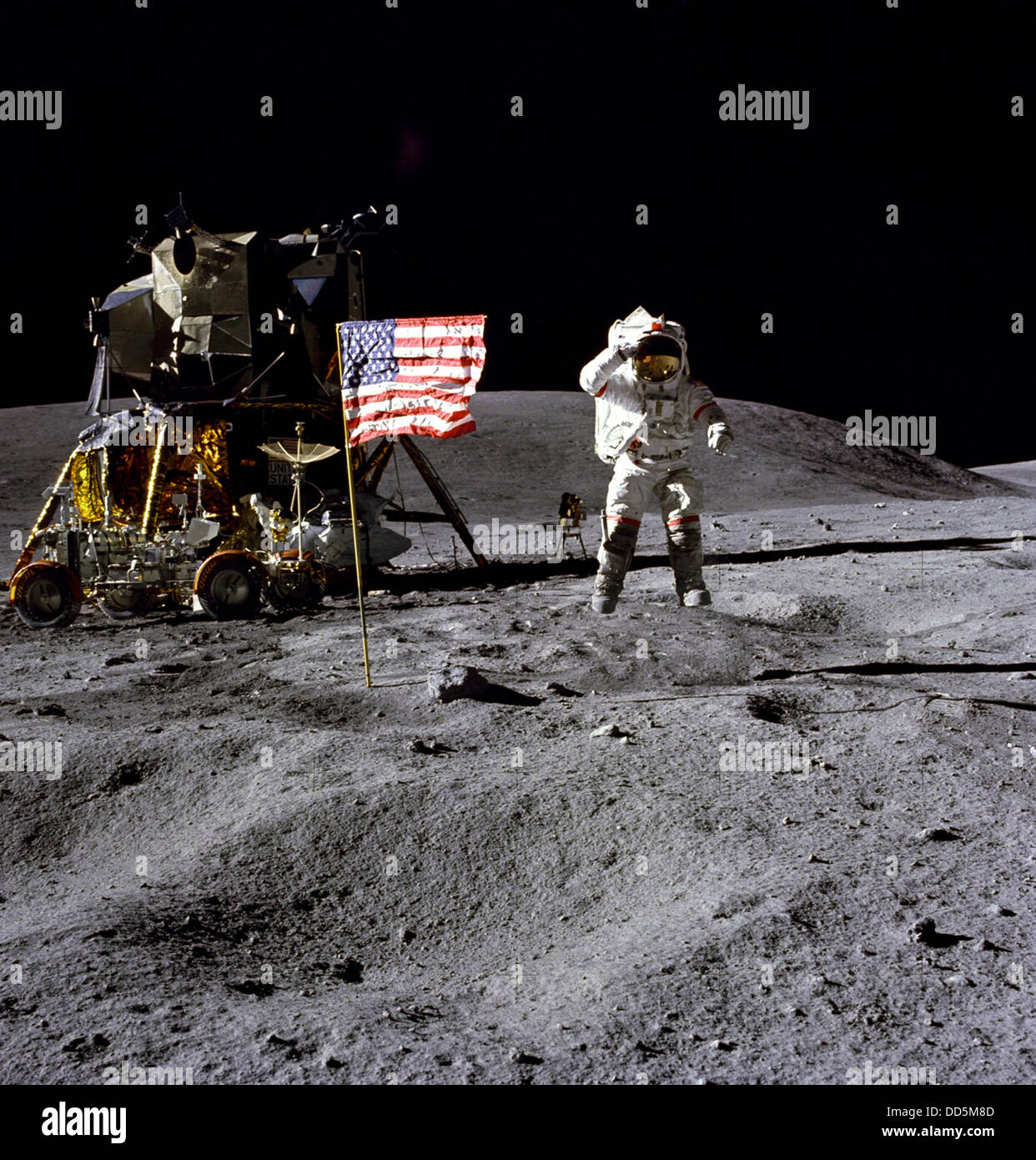
While Frank Rubio’s name is frequently associated with the broader Artemis program in media discussions, the specific flight assignments for upcoming missions remain subject to official NASA selection processes. The Artemis program itself is designed as a phased return to the Moon, beginning with the uncrewed Artemis I and progressing to the crewed Artemis II and III missions, according to NASA’s program overview. The Artemis III mission is currently slated to be the first to land humans on the lunar surface since the Apollo era.

The composition of future lunar crews has been a subject of public discourse, particularly regarding the diversity of the astronaut corps. NASA Administrator Bill Nelson has addressed questions regarding mission crew selections, emphasizing that the agency follows a rigorous, merit-based process for choosing astronauts for specific flight assignments. The agency maintains that its selection criteria prioritize technical expertise, mission requirements, and the necessity for highly specialized training, as noted in reports from NASA’s official project updates.
Family Background and Public Recognition
Frank Rubio’s story is often cited as an example of the evolving demographic profile of the United States astronaut corps. Born in Los Angeles and raised in part in El Salvador, Rubio’s background has resonated with many in the Hispanic community. His mother has expressed pride in his accomplishments, often characterizing his dedication to service as a fulfillment of the opportunities provided by his upbringing. These sentiments reflect a broader narrative of immigrant success that has gained visibility through his work at the Johnson Space Center in Houston.

The emotional connection shared by his family highlights the risks inherent in space travel. During his 371-day stay on the ISS, Rubio faced unexpected challenges, including an extended mission duration caused by a coolant leak on the Soyuz MS-22 spacecraft, which required a change in return logistics, according to ISS mission status reports. His ability to maintain mission focus during this period remains a focal point for his peers and agency leadership.
Technical Contributions to Future Missions
Beyond his flight experience, Rubio’s background in medicine and his tenure as a U.S. Army flight surgeon provide a specialized skill set that NASA utilizes for long-duration human spaceflight research. His work on the ISS focused on a variety of scientific experiments, including the study of human physiological adaptation to microgravity, which is essential for planning future crewed missions to Mars and establishing a sustainable lunar presence.
As NASA continues to refine the Artemis architecture, the agency is actively managing the development of the Human Landing System (HLS) and the Gateway lunar orbiter. These components are critical for the success of Artemis III. The agency’s progress is detailed in regular updates provided through the Artemis III mission page, which tracks technical milestones and hardware testing schedules.
The next major milestones for the Artemis program include the launch of Artemis II, which will carry a crew around the Moon to test life support and navigation systems. Following that, Artemis III will mark the return of astronauts to the lunar south pole. Public interest in these missions remains high, and NASA continues to provide updates on crew training and hardware readiness through its official digital channels. Readers interested in the latest developments are encouraged to follow the official NASA newsroom for verified schedules and mission announcements.
What are your thoughts on the future of lunar exploration and the role of international collaboration in space? Share your perspective in the comments below.
Keep reading