A federal judge sentenced a New Jersey flight instructor to 78 months in prison on June 11, 2026, following his conviction for involuntary manslaughter and other federal crimes related to a 2022 plane crash that killed a student pilot. Philip Everton McPherson II, 37, of Riverside, New Jersey, admitted to operating a single-engine Piper PA-28 while lacking a valid pilot’s certificate, a series of actions that prosecutors argued demonstrated a reckless disregard for human life.
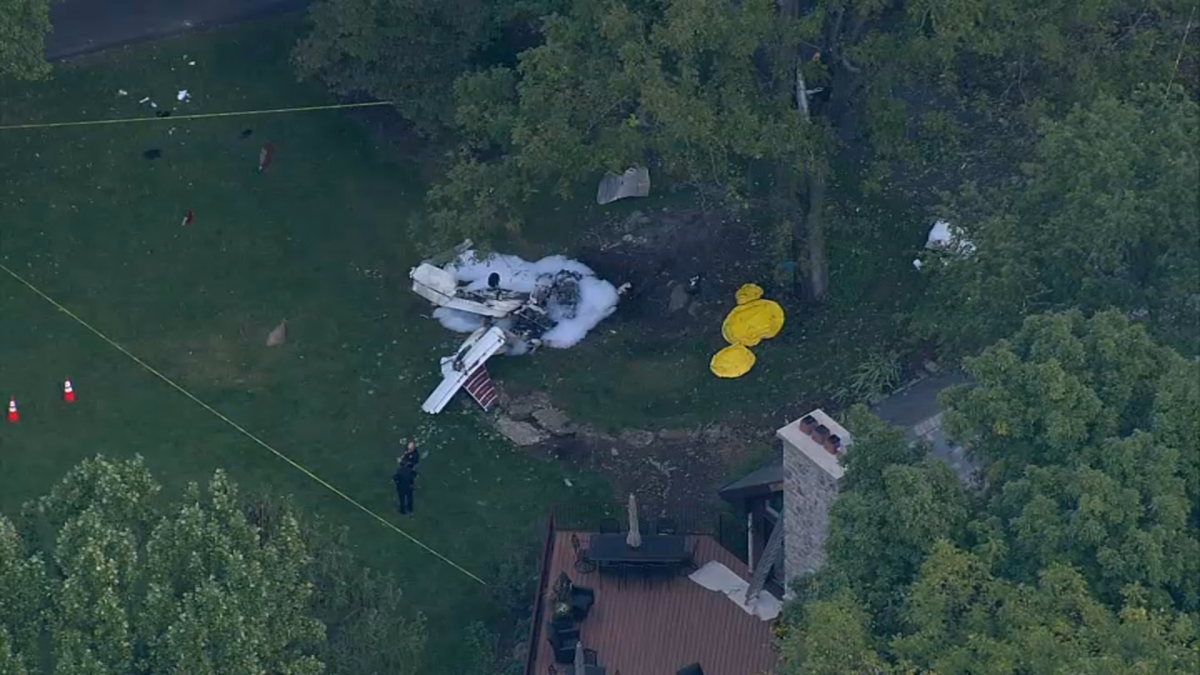
The incident occurred on September 28, 2022, shortly after the aircraft departed from Queen City Airport in Allentown, Pennsylvania. According to the National Transportation Safety Board (NTSB), McPherson reported taking control of the plane from his 49-year-old student—identified in court records as “K.K.”—immediately after takeoff due to reported engine difficulties. The aircraft subsequently crashed and ignited, resulting in the death of the student and serious injuries to McPherson.
Legal Proceedings and Federal Charges
The sentencing in Philadelphia concluded a multi-year legal process following McPherson’s guilty plea in 2025. In addition to the 78-month term of imprisonment, the court ordered three years of supervised release. The financial penalties included a $5,000 fine, a $4,300 special assessment, and $19,530 in restitution, according to records from the U.S. Attorney’s Office for the Eastern District of Pennsylvania.
Prosecutors successfully argued that McPherson’s actions constituted a pattern of criminal negligence. Federal investigators revealed that McPherson had surrendered his pilot’s license in October 2021 after failing a mandatory certification examination. Despite this, he continued to provide flight instruction. The indictment included 40 counts related to illegally operating aircraft with passengers on board while he was unauthorized to do so.
Evidence of Prior Safety Failures
The case against McPherson highlighted previous incidents that suggested a history of unsafe flight practices. Federal authorities presented evidence that McPherson had been instructing students at Central Jersey Regional Airport on two separate occasions when the aircraft veered off the runway during landing attempts. These incidents caused substantial damage to the planes, which prosecutors characterized as crashes.
By continuing to act as an instructor despite these clear warning signs and the formal loss of his credentials, McPherson knowingly placed students at risk. The court’s decision to impose a multi-year sentence reflects the gravity of these violations within the aviation industry, where regulatory compliance is the primary safeguard for passenger and pilot safety.
Aviation Safety and Regulatory Oversight
This case serves as a stark reminder of the importance of the Federal Aviation Administration (FAA) certification process. Pilots and flight instructors are subject to rigorous testing and medical evaluations to ensure they maintain the competency required to operate aircraft safely. When individuals bypass these requirements, the risk of catastrophic failure increases significantly.
The NTSB continues to maintain oversight of general aviation safety protocols to prevent future tragedies. For students seeking flight instruction, the FAA provides resources to verify the credentials of instructors and flight schools through their official database. Ensuring that an instructor holds an active, valid certificate is the most critical step for any student pilot before beginning flight training.
As the legal proceedings in this matter have concluded with the sentencing, there are no further scheduled hearings for the defendant. The case remains a significant reference point for federal prosecutors regarding the enforcement of aviation regulations and the consequences of operating aircraft without proper legal authorization.
Keep reading