French Wine Industry on the Brink: A Crisis Unfolding and What It Means for You
The idyllic image of rolling French vineyards is facing a stark reality. A confluence of factors – climate change, shifting consumer preferences, trade disputes, and rising costs – is pushing the French wine industry to a critical juncture. winemakers are urgently seeking government intervention, and the future of this iconic sector hangs in the balance.Are you a wine enthusiast, industry professional, or simply curious about the challenges facing French wine? This article dives deep into the current crisis, its causes, and potential solutions.
The Gathering Storm: why French Wine is in Trouble
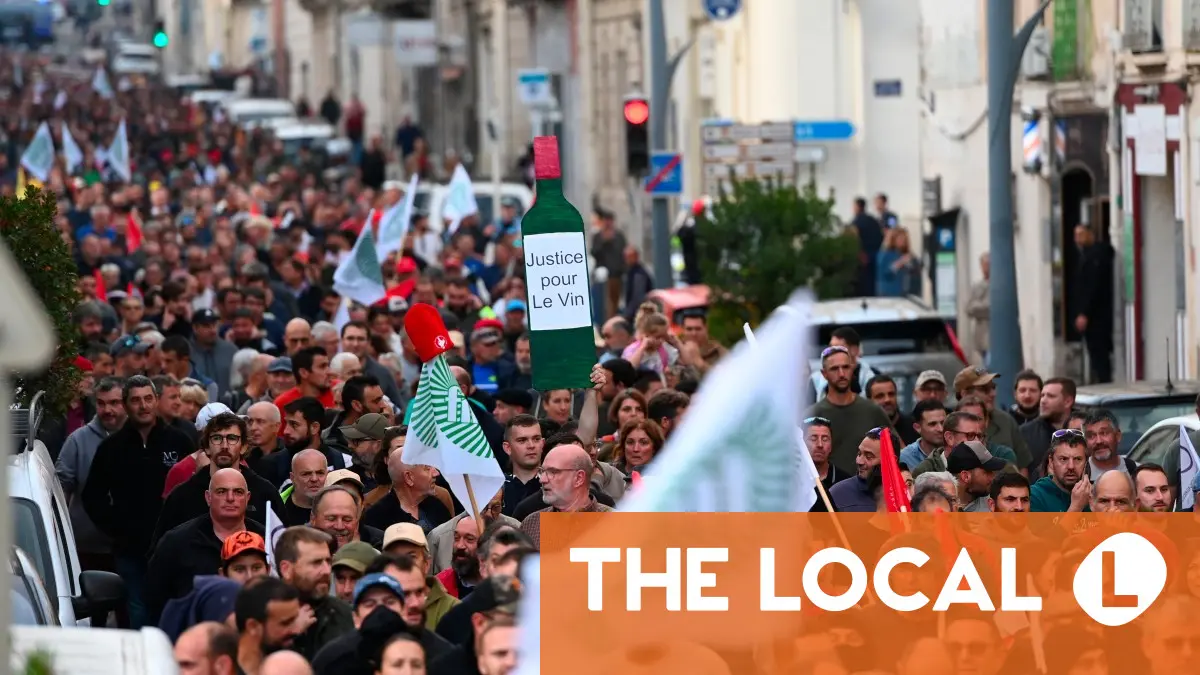
On November 24th, 2024, French winemakers convened with Minister of Agriculture Anne Genevard in Montpellier to plead their case. The request? A significant €200 million aid package to address a multifaceted crisis. This meeting follows large-scale protests in Béziers, where winegrowers demanded immediate action to safeguard their livelihoods.But whatS driving this desperation?
Here’s a breakdown of the key pressures:
* Declining Consumption: Wine consumption is falling,especially among younger generations,in key markets like France and the US.
* climate Change Impacts: Increasingly frequent and severe heatwaves, unpredictable frosts, and altered rainfall patterns are devastating harvests. Regions like Languedoc, Aquitaine, Rhône, and Bordeaux – renowned for their red wines – are particularly vulnerable.
* Trade Barriers: New tariffs are substantially impacting exports.A 15% tax on European wines and spirits entering the United States, coupled with a 32.2% customs tax imposed by China on many EU wine-based spirits, are squeezing producers.
* Rising Costs: Production costs – from fertilizer to bottling – are escalating, further eroding profit margins.
* Overproduction: Despite removing 27,000 hectares of vines last year, France still produces more wine than the market demands.
The Scale of the Problem: Vineyards Facing the Axe
the situation is dire enough that industry leaders estimate another 40,000 hectares of vines will need to be uprooted in 2026 to stabilize the sector. This isn’t simply about reducing supply; it’s about the survival of family-owned estates and the preservation of a cultural heritage.
Jean-Marie Fabre, president of the self-reliant winemakers’ syndicate, emphasizes the need for businesses to adapt. “There are businesses that are going to resize their operations, making them much more viable by reducing the cultivation area and limiting it to what they are capable of producing, and above all – what they are capable of selling.” This signals a significant restructuring of the French wine landscape.
The Impact of Trade Wars: A Double Blow
The imposition of tariffs is adding fuel to the fire. The 15% tax on European wines entering the US, for example, isn’t just hurting French producers.As Damien Dubrulle, president of Axema, points out, “This measure penalises both French producers and their American partners.”
Similarly, China’s 32.2% tax on EU wine-based spirits – with exemptions only for major players like LVMH, Pernod Ricard, and Rémy Cointreau – disproportionately impacts smaller, independent winemakers. these trade barriers are creating significant headwinds for an already fragile industry.
What Does This Meen for You, the wine Lover?
You might be wondering how this crisis affects your enjoyment of French wine. In the short term, you may see:
* Price Increases: As production costs rise and supply tightens, expect to pay more for your favorite French wines.
* Shift in Availability: certain wines, particularly those from heavily affected regions, may become harder to find.
* Focus on Quality: Winemakers will increasingly prioritize quality over quantity,potentially leading to more concentrated and refined wines.
However, this crisis also presents an possibility. It could spur innovation, encourage enduring practices, and ultimately strengthen the French wine industry for the future.
Evergreen Insights: The Enduring Appeal of French Wine
Despite these challenges,the fundamental reasons for French wine’s global appeal remain strong. Centuries of tradition, a commitment to terroir (the unique environmental factors that influence wine), and a dedication to quality continue to define French winemaking. The French wine industry isn’t just about producing a beverage; it’s about preserving a cultural legacy
Worth a look