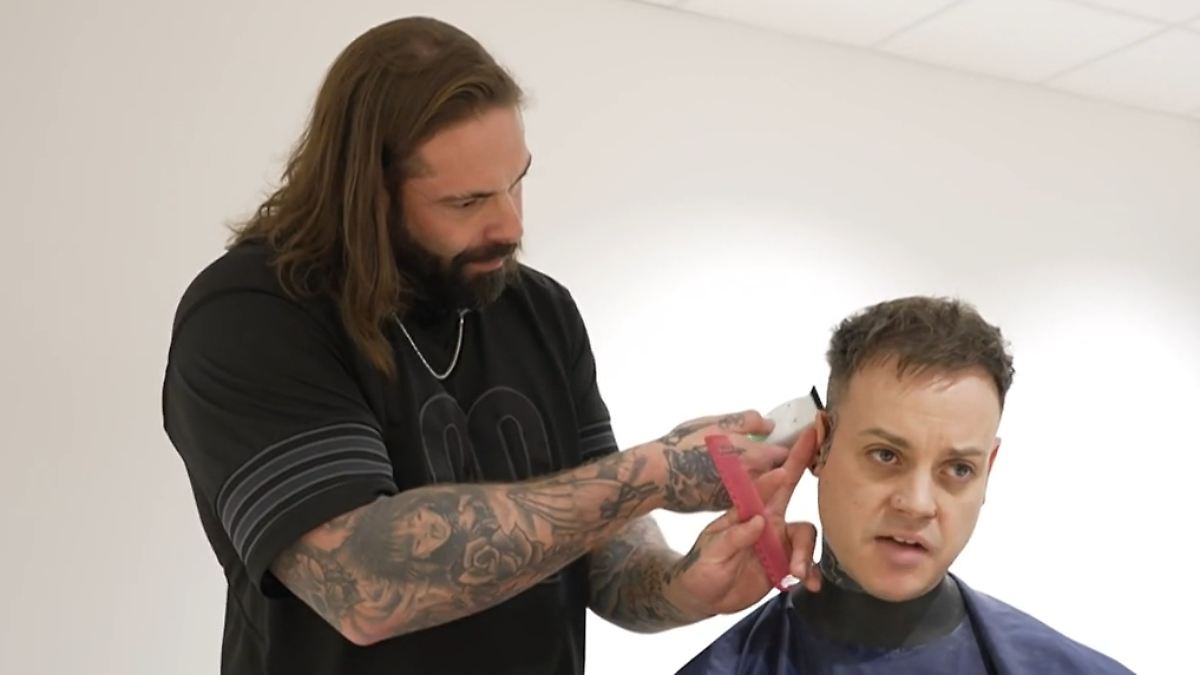
The Unexpected Therapy Session: Can a Trip to the Barber Benefit Mental Health?
The familiar ritual of a haircut – the small talk, the focused attention, the quiet space – may offer more than just a fresh style. Increasingly, evidence suggests that barbershops and salons can serve as vital, and often overlooked, spaces for mental health support. A growing movement is recognizing the unique position these professionals hold in their communities, offering a safe and trusted environment for conversations that can literally be life-saving. This is particularly true for men, who often face societal pressures that discourage them from openly discussing their emotional wellbeing.
The idea isn’t simply about passing the time more pleasantly, but actively contributing to psychological health. Barber Tom Chapman, based in Torquay, England, exemplifies this shift, having reportedly helped save a life through a conversation with a client. His experience sparked a global initiative to train hair stylists to recognize and respond to signs of mental health struggles.
A Safe Space for Vulnerability
The relationship between a barber or stylist and their client is often built on consistent, personal interaction. This regular contact fosters a level of trust that can be difficult to establish in more formal healthcare settings. Clients often share intimate details of their lives during appointments, creating a natural opportunity for barbers to observe changes in mood, behavior, or overall wellbeing.
“With men, mental health has been seen as a weakness for a long time, and therefore it’s difficult to verbalize how you’re feeling,” Chapman explained in an interview, as reported by Psychology Today Australia. He emphasizes that his profession can act as a bridge to mental health resources, particularly for those who might not otherwise seek help.
This observation aligns with broader trends in understanding the importance of social connection for mental wellbeing. Research consistently demonstrates that strong social networks and supportive relationships are crucial for buffering against stress and promoting resilience. Barbershops and salons, as community hubs, can play a significant role in fostering these connections.
The Lions Barber Collective: A Global Movement
In 2015, following the tragic loss of a friend to suicide, Tom Chapman founded the Lions Barber Collective, a group of barbers around the world dedicated to addressing mental wellbeing and suicide prevention. The Collective provides training to hair stylists on how to recognize the signs of mental health issues, how to initiate conversations, and how to connect clients with appropriate resources.
Chapman has since expanded his outreach, addressing audiences in countries including Brazil and Australia, demonstrating the global resonance of this approach. The initiative focuses on equipping barbers with the skills to listen without judgment, offer support, and guide clients towards professional help when needed. The program doesn’t aim to turn barbers into therapists, but rather to empower them to be informed and compassionate allies.
The success of the Lions Barber Collective highlights a growing recognition of the need for innovative approaches to mental health care. Traditional mental health services are often underfunded, inaccessible, or stigmatized, leaving many individuals without the support they need. By leveraging existing community spaces and trusted relationships, initiatives like the Lions Barber Collective can help to fill these gaps.
Beyond the Chair: The Broader Context of Men’s Mental Health
The focus on barbershops as mental health support centers is particularly relevant given the unique challenges men face in seeking help. Societal expectations often discourage men from expressing vulnerability or admitting to struggling with their mental health. This can lead to a reluctance to seek professional help, even when it is desperately needed.
Tim Grayburn, a writer who experienced depression, described the difficulty of articulating his feelings, even to his father, in his autobiographical account, “Boys Don’t Cry.” As Psychology Today Australia notes, this reluctance to open up is a common experience for many men.
The informal setting of a barbershop can help to break down these barriers. The casual conversation and relaxed atmosphere can make it easier for men to discuss their problems without feeling judged or stigmatized. The fact that the barber is providing a service – a haircut – can as well create a sense of normalcy and reduce the pressure to engage in a formal therapy session.
Germany’s Approach to Mental Health Support
While the Lions Barber Collective originated in the UK, the concept of integrating mental health support into everyday settings is gaining traction globally, including in Germany. Germany’s healthcare system provides universal access to medical care, including mental health services, but challenges remain in ensuring equitable access and reducing stigma.
Recent initiatives in Germany have focused on expanding mental health services in schools and workplaces, as well as increasing public awareness campaigns to promote mental wellbeing. There is growing interest in exploring innovative approaches, such as integrating mental health support into community-based settings like barbershops and salons. However, formal programs mirroring the Lions Barber Collective are not yet widespread in Germany.
The German government has also been addressing the broader issue of healthcare access, with ongoing debates about potential reforms to the healthcare system. These discussions often center on issues such as funding, staffing shortages, and the need to improve coordination of care.
Looking Ahead: Expanding Access to Mental Health Support
The growing recognition of the role barbershops and salons can play in promoting mental health represents a promising development in the ongoing effort to improve access to care. By leveraging existing community resources and trusted relationships, initiatives like the Lions Barber Collective can help to reach individuals who might not otherwise seek help.
Further research is needed to evaluate the effectiveness of these programs and to identify best practices for implementation. However, the initial evidence suggests that barbershops and salons can be valuable allies in the fight against mental illness and suicide.
As of February 18, 2026, the German Federal Ministry of Health is expected to release a report outlining new strategies for addressing mental health challenges in the country, potentially including funding for community-based initiatives. The report is anticipated to address the need for increased investment in mental health services and to promote greater awareness of available resources.
The conversation around mental health is evolving, and recognizing the potential of unexpected spaces like the barbershop is a crucial step towards creating a more supportive and compassionate society. Share your thoughts on this innovative approach in the comments below, and help us spread awareness about the importance of mental wellbeing.