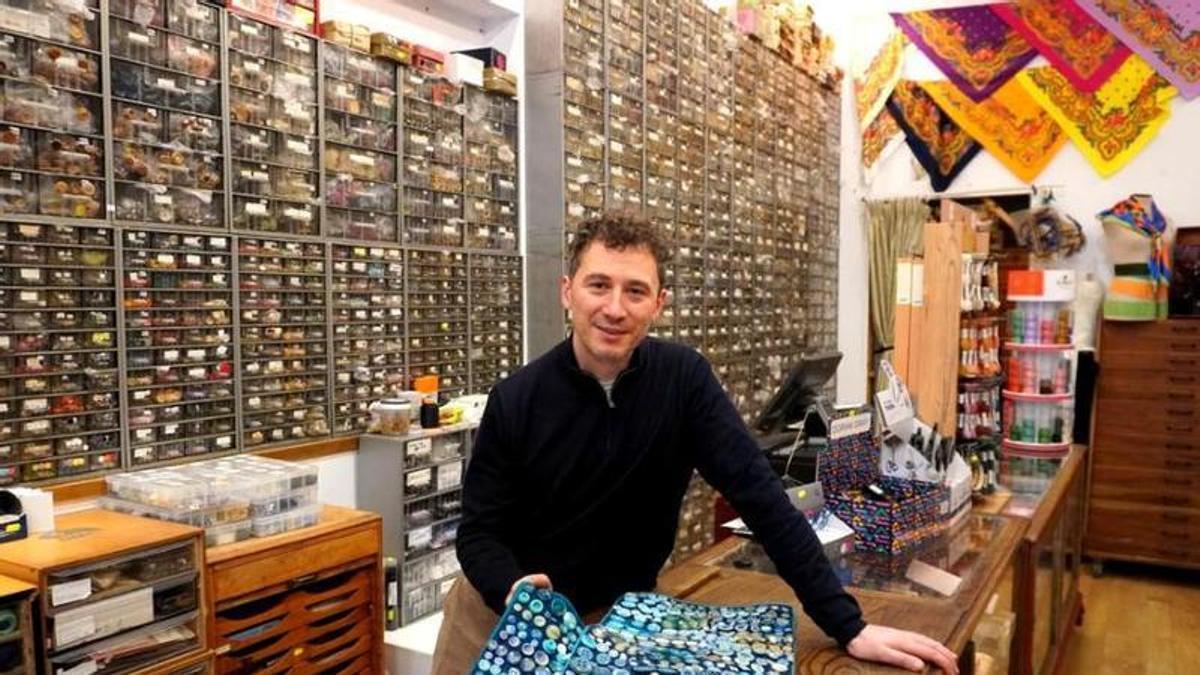
The Galician Haberdashery Outperforming Inditex on TikTok—Except for Zara
In the fast-paced world of social media commerce, a small, family-run haberdashery in Galicia, Spain, has quietly grow one of the region’s most unexpected digital success stories. Founded in 1942, Mercería Rosa—a traditional sewing and textile shop in the coastal town of Viveiro—has leveraged TikTok to build a following that rivals even the biggest names in Spanish retail. The only Inditex brand still ahead of it? Zara.
With over 1.2 million followers on TikTok as of April 2026, Mercería Rosa has not only outpaced nearly all of Inditex’s portfolio—including brands like Pull&Bear, Massimo Dutti, and Bershka—but has also become the fourth-most-followed Galician business on the platform, trailing only Zara, the regional tourism board, and a viral seafood restaurant chain. The shop’s rise is a testament to how heritage businesses can thrive in the digital age by blending authenticity with savvy content strategy.
What makes Mercería Rosa’s success even more remarkable is its niche: selling buttons, zippers, fabrics, and sewing supplies—products that, on the surface, seem far removed from the fast-fashion trends dominating TikTok. Yet, through a mix of educational content, behind-the-scenes storytelling, and a deep connection to Galicia’s textile traditions, the shop has carved out a loyal audience that spans hobbyist seamstresses, sustainable fashion advocates, and even Gen Z users drawn to its retro charm.
From Brick-and-Mortar to Viral Sensation: The Origins of Mercería Rosa
Mercería Rosa was founded in 1942 by Rosa Míguez, a seamstress who opened the shop in Viveiro, a picturesque town in the province of Lugo, Galicia. For decades, the business operated as a typical neighborhood haberdashery, catering to local dressmakers, tailors, and home sewers. The shop’s inventory—ranging from high-quality Spanish and Portuguese fabrics to vintage buttons and handmade lace—reflected Galicia’s rich textile heritage, a region historically known for its linen and wool production.
In 2018, the shop’s fourth-generation owners, Sofía and Diego Míguez (Rosa’s great-grandchildren), took over the business. Facing declining foot traffic and the rise of e-commerce giants, they decided to pivot toward digital marketing. Their first foray into social media was Instagram, where they posted photos of rare fabrics and sewing tutorials. But it wasn’t until they joined TikTok in early 2021 that their online presence truly took off.
“We never expected TikTok to be our breakthrough,” Sofía Míguez told La Voz de Galicia in a 2023 interview. “We thought it was just for dance trends and memes. But we quickly realized that people were hungry for content about traditional crafts, sustainability, and leisurely fashion.”
How a Sewing Supply Shop Mastered TikTok’s Algorithm
Mercería Rosa’s TikTok strategy is built on three pillars: education, nostalgia, and community engagement. Unlike fast-fashion brands that rely on influencer collaborations or trend-driven content, the shop’s videos focus on the tactile, hands-on aspects of sewing—something that resonates deeply in an era of disposable fashion.

Some of their most popular video formats include:
- “Button of the Day”: Close-up showcases of rare or antique buttons, often with historical context (e.g., “This 1920s Art Deco button was used in Galician military uniforms”). These videos frequently head viral among collectors and vintage enthusiasts.
- Sewing Hacks: Quick tutorials on topics like “How to shorten a zipper without cutting it” or “The best way to store delicate fabrics.” Many of these videos have been saved and shared by professional tailors and costume designers.
- Behind-the-Scenes: Clips of the shop’s inventory process, including unboxing shipments of European fabrics or organizing vintage sewing patterns. These videos give followers a sense of the shop’s curation process and expertise.
- “Guess the Fabric” Challenges: Interactive videos where viewers are asked to identify textiles based on texture, weight, or origin. These often spark lively discussions in the comments section.
- Customer Spotlights: Features of local designers and seamstresses who utilize Mercería Rosa’s supplies, highlighting the shop’s role in Galicia’s creative community.
The shop’s content is filmed in-house, often using a single smartphone, and edited with TikTok’s built-in tools. The aesthetic is deliberately low-fi, with a warm, nostalgic filter that evokes the feel of an old-fashioned haberdashery. This authenticity has been key to its appeal. “People can inform when a brand is trying too hard,” Diego Míguez noted in a 2024 interview with El Confidencial. “We’re not actors or influencers—we’re just a family business sharing what we know.”
Mercería Rosa’s success on TikTok has also been bolstered by the platform’s shift toward “de-influencing”—a trend where users push back against fast fashion and promote sustainable alternatives. The shop’s emphasis on durable, high-quality materials and repairable clothing aligns perfectly with this movement. In 2025, TikTok’s algorithm began prioritizing content that highlighted craftsmanship and sustainability, giving Mercería Rosa an unexpected boost.
The Business Impact: Sales, Expansion, and Unexpected Opportunities
The shop’s TikTok fame has translated into tangible business growth. According to Expansión, Mercería Rosa’s online sales increased by 300% between 2021 and 2025, with TikTok driving nearly 60% of its e-commerce traffic. The shop’s website, which launched in 2020, now ships products globally, with a significant portion of orders coming from the United States, Germany, and Japan—countries where sewing and textile crafts are experiencing a revival.
In 2024, the shop opened a second location in Santiago de Compostela, Galicia’s capital, to meet growing demand. The modern store doubles as a workshop space, offering sewing classes and hosting pop-up events with local designers. “We never imagined we’d be teaching people how to sew in 2026,” Sofía Míguez said. “But there’s a real hunger for these skills, especially among younger people who want to reduce waste and create their own clothes.”

Mercería Rosa’s success has also caught the attention of larger brands. In 2025, the shop collaborated with Loewe, the Spanish luxury fashion house, on a limited-edition collection of sewing kits featuring Loewe’s signature fabrics. The collaboration, which sold out within hours, was a rare example of a heritage brand partnering with a small, independent retailer—a testament to Mercería Rosa’s influence in the fashion world.
Despite its digital growth, the shop remains committed to its roots. “We’re still a family business,” Diego Míguez emphasized. “We know our customers by name, and we take pride in offering products that last. TikTok has helped us reach new people, but our values haven’t changed.”
Why Mercería Rosa’s Story Matters: Lessons for Heritage Businesses
Mercería Rosa’s rise offers several key takeaways for traditional businesses looking to thrive in the digital age:
- Authenticity Wins: The shop’s unpolished, behind-the-scenes content resonates since it feels genuine. In an era of highly produced influencer marketing, Mercería Rosa’s approach stands out.
- Niche Audiences Are Powerful: By focusing on a specific community (sewers, crafters, sustainable fashion advocates), the shop has built a loyal following that actively engages with its content.
- Education Drives Engagement: Tutorials and informational videos not only provide value to viewers but also position the shop as an authority in its field.
- Sustainability Is a Selling Point: The shop’s emphasis on durable, repairable products aligns with growing consumer demand for sustainable alternatives to fast fashion.
- Heritage Can Be a Competitive Advantage: Mercería Rosa’s deep roots in Galicia’s textile history give it credibility and a unique story that resonates with customers.
The shop’s success also highlights a broader trend: the resurgence of interest in “slow fashion” and traditional crafts. As consumers become more conscious of the environmental and ethical impacts of fast fashion, businesses like Mercería Rosa are well-positioned to fill the gap. “People are tired of disposable clothing,” Sofía Míguez noted. “They want to know where their fabrics arrive from, how they’re made, and who made them. That’s where we come in.”
What’s Next for Mercería Rosa?
Looking ahead, Mercería Rosa has several initiatives in the works. The shop plans to expand its online offerings, including a subscription box service featuring rare fabrics and sewing patterns. It is also exploring partnerships with sustainable fashion brands to create exclusive product lines.
On TikTok, the shop continues to experiment with new content formats, including live sewing sessions and Q&A videos with textile historians. In March 2026, Mercería Rosa launched a series called “Fabric Stories”, where the Míguez siblings travel across Galicia to document the region’s textile traditions, from linen weavers in Cambados to wool dyers in Lalín. The series has been a hit, with many viewers praising its educational value and cultural significance.
“We’re just getting started,” Diego Míguez said. “TikTok has given us a platform to share our passion for textiles with the world. The next step is to turn that passion into something even bigger—something that preserves Galicia’s textile heritage for future generations.”
Key Takeaways
- Mercería Rosa, a family-run haberdashery founded in 1942, has become the fourth-most-followed Galician business on TikTok, trailing only Zara among Inditex brands.
- The shop’s TikTok strategy focuses on education, nostalgia, and community engagement, with popular video formats including “Button of the Day,” sewing hacks, and behind-the-scenes content.
- Between 2021 and 2025, the shop’s online sales increased by 300%, with TikTok driving nearly 60% of its e-commerce traffic.
- Mercería Rosa’s success reflects broader trends in sustainable fashion and the resurgence of interest in traditional crafts, positioning the shop as a leader in the “slow fashion” movement.
- The shop’s story offers valuable lessons for heritage businesses, including the power of authenticity, niche audiences, and educational content in digital marketing.
FAQ
1. What is Mercería Rosa?
Mercería Rosa is a family-run haberdashery in Viveiro, Galicia, Spain, founded in 1942. The shop specializes in sewing supplies, including fabrics, buttons, zippers, and lace, and has gained international recognition through its TikTok presence.
2. How did Mercería Rosa become popular on TikTok?
The shop joined TikTok in 2021 and began posting a mix of educational content (e.g., sewing tutorials), behind-the-scenes videos, and nostalgic showcases of rare fabrics and buttons. Its authentic, low-fi aesthetic and focus on sustainability resonated with users, helping it grow to over 1.2 million followers by 2026.
3. What makes Mercería Rosa different from other fashion brands on TikTok?
Unlike fast-fashion brands that focus on trends or influencer collaborations, Mercería Rosa’s content is centered on craftsmanship, education, and heritage. The shop’s videos highlight the tactile aspects of sewing and the history behind its products, appealing to a niche audience of sewers, crafters, and sustainable fashion advocates.
4. How has TikTok impacted Mercería Rosa’s business?
TikTok has driven significant growth for the shop, increasing online sales by 300% between 2021 and 2025. The platform accounts for nearly 60% of Mercería Rosa’s e-commerce traffic, and the shop has expanded to a second location in Santiago de Compostela to meet demand.
5. What are Mercería Rosa’s plans for the future?
The shop plans to expand its online offerings, including a subscription box service and collaborations with sustainable fashion brands. It is also experimenting with new TikTok content formats, such as live sewing sessions and a documentary-style series on Galicia’s textile traditions.
6. Why is Mercería Rosa’s story significant?
Mercería Rosa’s success demonstrates how heritage businesses can thrive in the digital age by leveraging authenticity, niche audiences, and educational content. Its story also reflects broader trends in sustainable fashion and the resurgence of interest in traditional crafts.
As Mercería Rosa continues to grow, its journey serves as a blueprint for other traditional businesses looking to adapt to the digital landscape. For now, the shop remains focused on its mission: preserving Galicia’s textile heritage although inspiring a new generation of sewers and crafters.
What do you think of Mercería Rosa’s approach to digital marketing? Have you seen other heritage businesses succeed on social media? Share your thoughts in the comments below, and don’t forget to follow World Today Journal’s Tech section for more stories on how technology is transforming traditional industries.
Worth a look
- Samsung Galaxy One UI 9 & 9.5: Eligible Devices, New Features, and Galaxy S27 Ultra Leaks
- Summer Concerts and Relaxation in Parc Sainte-Marie This Sunday
- Technology, Innovation, and Digital Transformation in Urban Development (archynewsy.com)
- How Oman Became the Broker Behind the Latest Hormuz Deal (daybreakwire.com)