
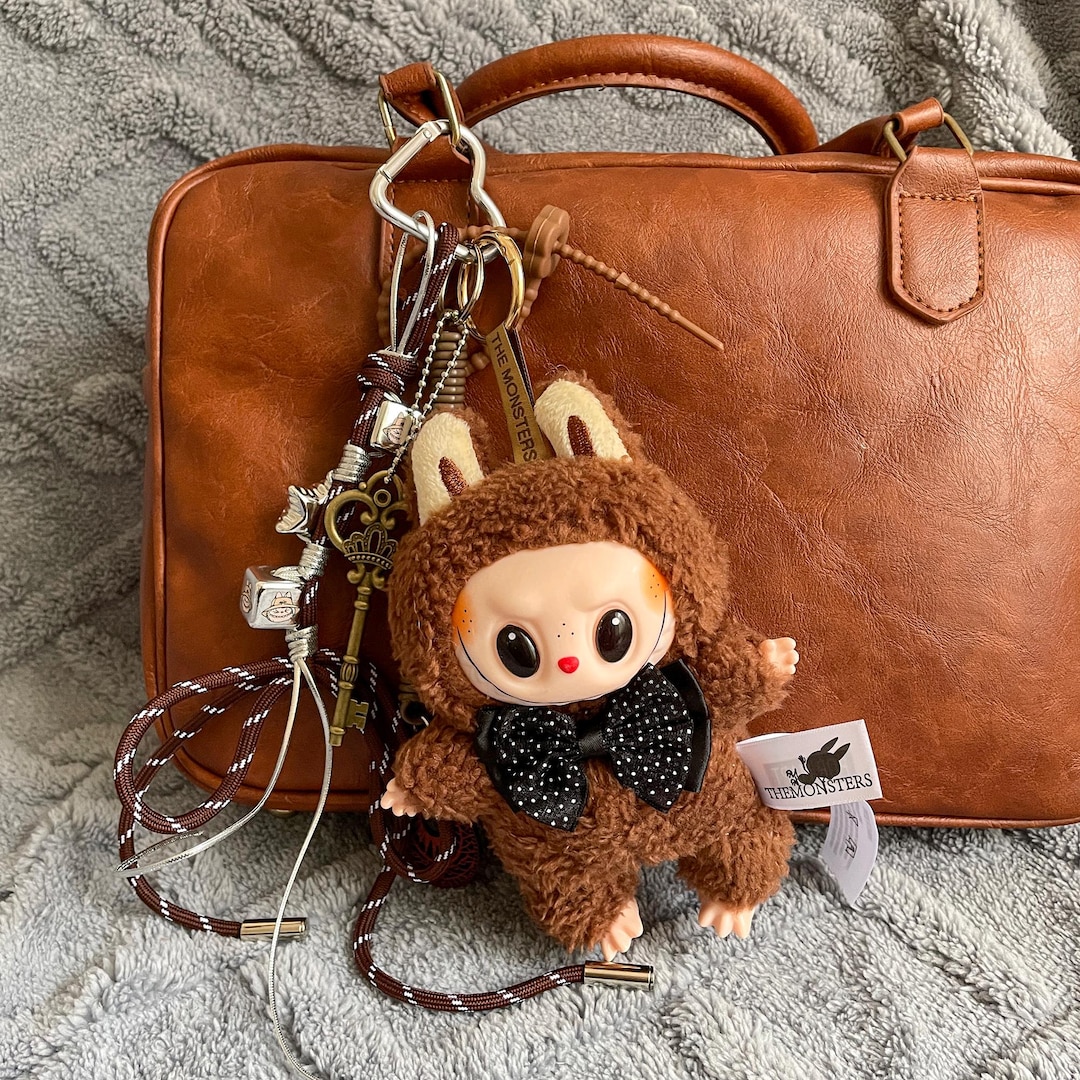
Walk through the shopping districts of Shanghai or the campuses of Beijing today, and you will notice a distinct trend adorning the backpacks of Gen Z and Millennials: an array of plush charms and vinyl figures. These “bag charms,” or bao gua, have evolved from simple accessories into high-demand fashion statements, blending the worlds of art toys, emotional support, and personal branding.
The surge in popularity of plush bag charms is not merely a fleeting fashion whim but a reflection of a broader shift in consumer behavior among young adults. From globally recognized IP collaborations and museum-inspired cultural relics to the viral success of Pop Mart’s LABUBU, these small attachments serve as “emotional bonds” between the owner and their favorite characters, offering a sense of comfort and identity in a fast-paced urban environment.
The economic impact of this trend is substantial. According to data from a major live-streaming e-commerce platform, the annual cumulative transaction volume for bag charm products exceeded 290 million yuan in 2025, representing a year-on-year increase of over 154% People’s Daily Overseas Edition. This momentum has continued into 2026, with sales growth for plush doll charms on Douyin e-commerce exceeding 114% in the first quarter alone.
The LABUBU Phenomenon and the Evolution of Art Toys
Among the most prominent figures in this trend is LABUBU, the mischievous character created by Kasing Lung and popularized by Pop Mart. The character’s appeal has transcended the traditional “blind box” market to become a global fashion accessory, particularly in the form of vinyl plush charms that are frequently seen on the bags of celebrities and influencers.
The success of LABUBU illustrates a strategic pivot within the art toy industry. Pop Mart is moving beyond physical collectibles to build comprehensive content ecosystems. In a significant move to expand the IP’s reach, Pop Mart recently announced a collaboration with Sony Pictures to develop a live-action animated feature film centered on LABUBU CBNData. The project will utilize a blend of live-action scenery and CGI, with Paul King—the director behind the Paddington series and Wonka—serving as director and producer.
This transition from a physical product to a cinematic experience marks a new era for “designer toys,” where the goal is to move the IP out of its “comfort zone” and into the mainstream entertainment consciousness. By adding narrative depth through film, companies hope to foster a deeper emotional connection with consumers, ensuring the longevity of the character beyond the initial hype of a product release.
Emotional Value and the Psychology of “Small Luxuries”
For many young consumers, the appeal of a bag charm lies in its ability to provide “emotional value.” In a society characterized by high pressure and digital saturation, these tactile, cute objects offer a form of psychological solace. For some, changing a charm is akin to buying a new bag, allowing for a low-cost way to refresh their personal style and express their current mood.

The market has diversified to cater to various tastes, ranging from high-end anime collaborations and Sanrio characters to “museum creative products.” The latter trend sees museums integrating the “blind box” model into their cultural merchandise, turning historical artifacts or artistic motifs into collectible charms. This intersection of high culture and pop consumerism allows young people to carry a piece of heritage in a modern, playful format.
Industry players are also expanding their strategies to capture this demand. For instance, Miniso’s original IP, YOYO, recently gained significant visibility by appearing on the Spring Festival Gala, attempting to break through into the mainstream public discourse CBNData. Similarly, Alibaba’s Damai Entertainment has launched “LUCKY LOOP,” a comprehensive offline art toy collection store that integrates various IPs, including TNT and Black Play, to create an immersive shopping experience.
Market Divergence and the Challenge of New IP Development
Despite the overall growth of the sector, 2026 has seen a notable divergence in the art toy market. Even as established characters like LABUBU continue to thrive, the introduction of new IPs has met with mixed results. Pop Mart, for example, recently launched three new IPs: Supertutu, Merodi, and KeyA. While some have seen modest success, others have sparked controversy, highlighting a gap between the preferences of the professional art community and the aesthetic expectations of the general public CBNData.
This suggests that the “blind box” craze is maturing. Consumers are no longer buying based on the novelty of the format alone but are becoming more discerning about the design, story, and “soul” of the IP. For companies like 52TOYS, the current strategy involves increasing investment in “hardcore” toys and expanding the content ecosystem of their own IPs to ensure they evolve from simple images into sustainable brands.
Key Trends in the 2026 Bag Charm Market
| Company/Brand | Primary Strategy | Key Project/Milestone |
|---|---|---|
| Pop Mart | Content Expansion | LABUBU live-action film directed by Paul King |
| Miniso | Mainstream Visibility | YOYO IP appearance on Spring Festival Gala |
| Alibaba (Damai) | Omnichannel Retail | LUCKY LOOP offline collection stores |
| 52TOYS | Hardcore Toy Focus | Investment in IP content ecosystems |
As the industry moves forward, the focus is shifting toward operational precision and resource efficiency. The ability to synchronize online trends with offline experiences—such as the Pop Mart global flagship store on Nanjing Road in Shanghai, where LABUBU plush charms are prominently featured—remains a critical success factor.

The “bag charm fever” is more than a trend; it is a symptom of a larger cultural movement where the boundaries between art, toy, and fashion are blurred. Whether through a movie screen or a plush accessory, these characters have become essential companions for a generation seeking identity and comfort in the modern world.
With the upcoming release of the LABUBU movie and further expansions of offline experience stores, the industry will be closely watched to see if these IPs can maintain their momentum or if the market will shift toward new, unforeseen aesthetics.
We aim for to hear from you: Do you use bag charms to express your personality, or do you see them as a passing trend? Share your thoughts in the comments below.