
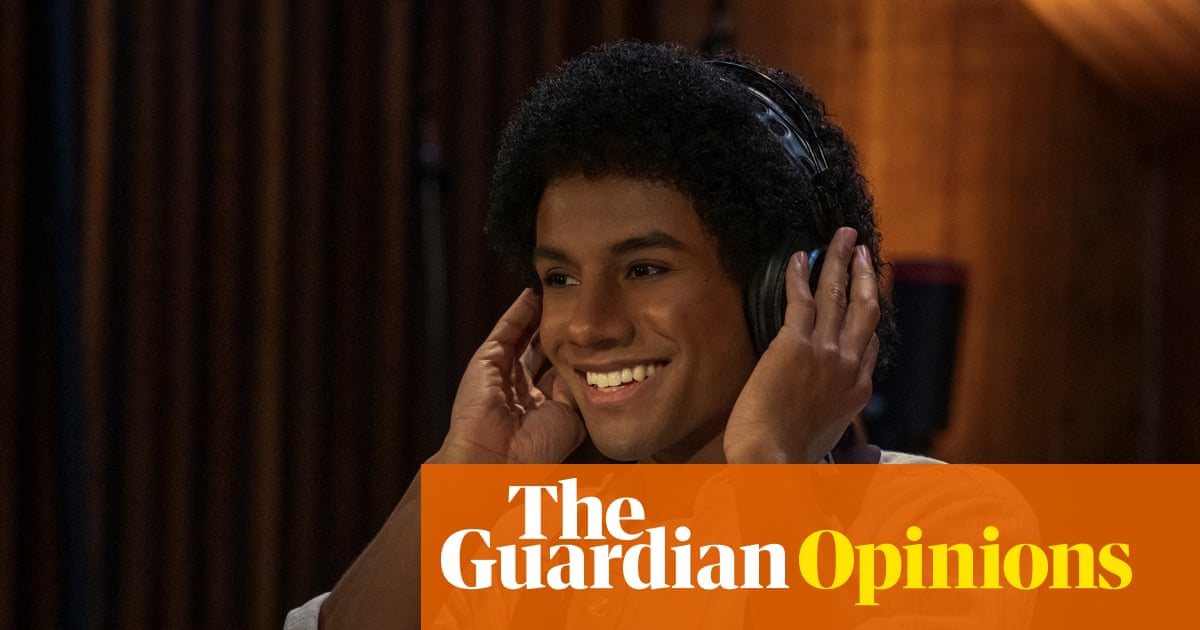
On April 24, 2026, the biographical film Michael premiered in the United States, directed by Antoine Fuqua and starring Jaafar Jackson in the title role. The film chronicles the life of Michael Jackson from his early years with the Jackson 5 through the 1980s Bad tour era, focusing on his musical achievements while omitting references to the child sexual abuse allegations that surfaced in the 1990s. This omission followed the discovery of a clause in a legal settlement that prompted revisions to the third act and subsequent reshoots in June 2025.
The film’s release adds to a growing trend of authorized music biopics that have emerged since the 2018 success of Bohemian Rhapsody, the Queen biopic produced with the band’s involvement. That film won four Academy Awards and grossed over $911 million worldwide, according to box office records. Its commercial performance sparked renewed interest in music biopics among estate holders and studios seeking to leverage nostalgic catalogs and streaming potential.
Since then, several artist estates have approved biographical films featuring their official music catalogs, including projects centered on Elton John (Rocketman), Aretha Franklin (Respect), Elvis Presley (Elvis), Whitney Houston (Whitney), Amy Winehouse (Back to Black), Bob Marley (One Love), Robbie Williams (Better Man), Bob Dylan (A Complete Unknown), and Bruce Springsteen (Deliver Me from Nowhere). These productions are typically developed with the cooperation of the artists’ estates or surviving family members, who often retain creative oversight to ensure alignment with their legacy.
Critics and scholars have noted that such authorized biopics frequently emphasize artistic triumph while minimizing or excluding controversial aspects of the subjects’ lives. In the case of Michael, the film avoids any depiction of the 1993 allegations or the 2005 trial, despite their significance in public discourse about Jackson’s life. This pattern reflects a broader industry tendency where estate-controlled narratives prioritize brand protection and catalog monetization over complex historical reckoning.
The financial incentives behind these projects are substantial. Music biopics often lead to significant increases in streaming activity for the featured artists’ catalogs. Following the release of Bohemian Rhapsody, Queen’s music experienced a measurable surge in digital plays, a trend replicated after other biopic releases. Estate holders benefit from both licensing fees and renewed interest in master recordings, publishing rights, and merchandise.
However, this dynamic raises questions about artistic integrity and historical accountability. When films are produced under the auspices of those who stand to gain from a sanitized portrayal, the resulting narratives may reflect institutional interests rather than balanced biographical inquiry. Audiences seeking a nuanced understanding of cultural icons may find these films lacking in critical depth, particularly when they omit well-documented controversies that shaped public perception.
As of April 2026, no major studio has announced plans for an unauthorized or critically independent biopic of Michael Jackson that addresses the full scope of his life and legacy. The current trajectory suggests that estate-sanctioned projects will continue to dominate the genre, shaped by legal agreements, licensing arrangements, and the enduring commercial value of iconic music catalogs.
For readers interested in tracking developments in music biopics or entertainment industry trends, official updates are typically available through studio press releases, Securities and Exchange Commission filings for publicly traded entertainment companies, and announcements from major rights holders such as Sony Music Entertainment and Universal Music Group.
What are your thoughts on the balance between artistic legacy and historical truth in music biopics? Share your perspective in the comments below, and consider sharing this article with others interested in film, music, and celebrity culture.