The Twisted Tale: How the Humble Pretzel Became a Global Snack Icon
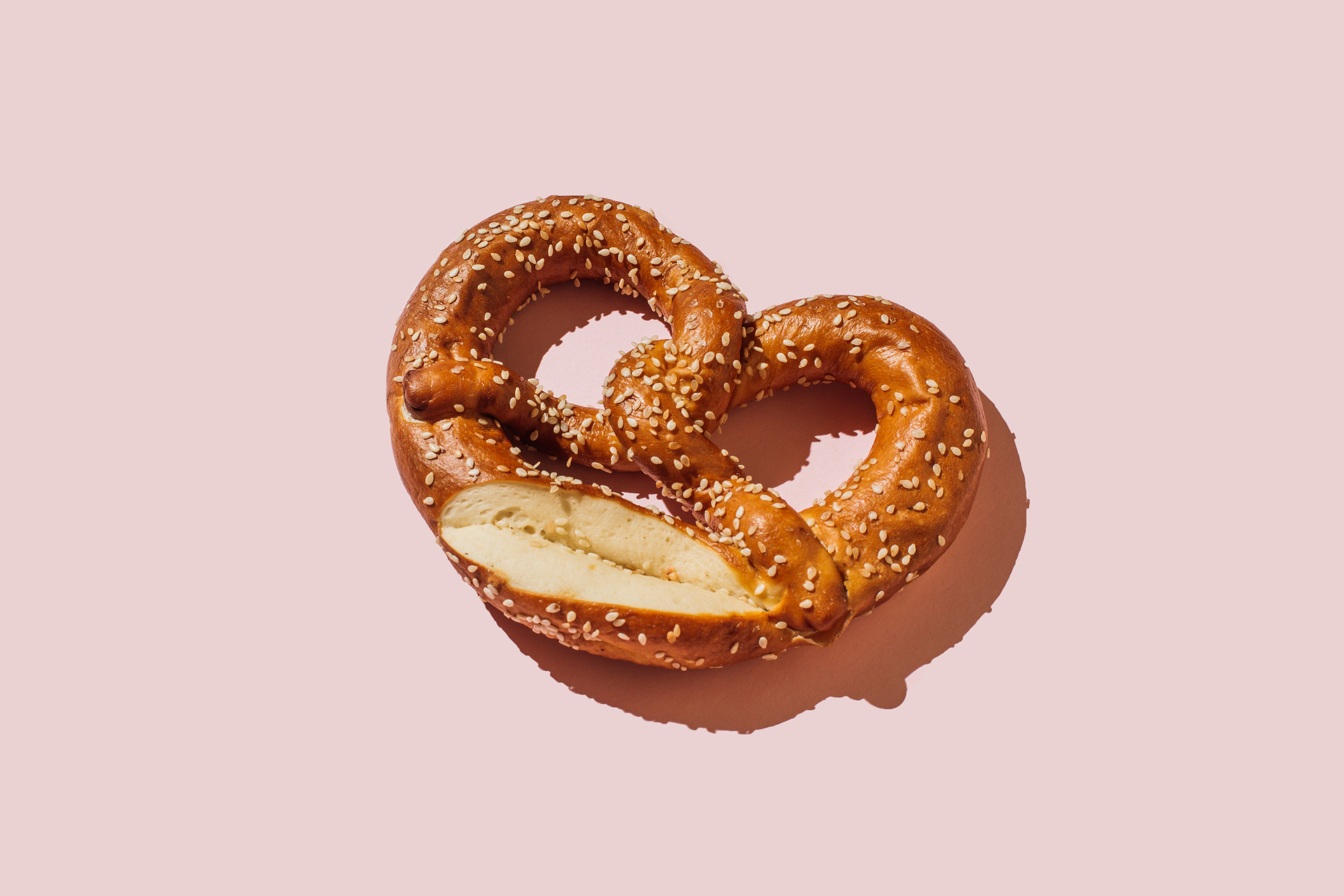
There’s something undeniably comforting about the warm, buttery aroma of a freshly baked pretzel—its golden crust crackling under a sprinkle of coarse salt, the dough yielding just enough to promise that perfect chew. For generations, this unassuming snack has been a staple in lunchboxes, stadiums, and shopping mall food courts, evoking nostalgia with every bite. But behind its simple appearance lies a history as rich and complex as the flavors it carries, stretching back over a thousand years and spanning continents. From monastic kitchens in medieval Europe to the bustling streets of modern-day Philadelphia, the pretzel’s journey is a testament to how food can transcend its origins to become a cultural symbol.

Today, pretzels are a $1.4 billion industry in the United States alone, with nearly 180 million Americans indulging in them annually. Yet their story begins not in a commercial bakery, but in the quiet halls of seventh-century monasteries, where monks crafted them as both sustenance and spiritual metaphor. Over the centuries, pretzels evolved from a Lenten staple to a symbol of good luck, a tool of diplomacy, and eventually, a global snack phenomenon. As we approach National Pretzel Day on April 26, it’s worth exploring how this twisted bread became one of the world’s most beloved treats—and why its history is far more surprising than its shape.
From Monastic Kitchens to Medieval Banquets: The Religious Roots of the Pretzel
The pretzel’s origins are shrouded in legend, but most historians agree that its story begins in early medieval Europe, where it was deeply intertwined with Christian traditions. The earliest documented references place the pretzel in the hands of monks during the seventh century, who baked them as a simple, fasting-friendly food during Lent. With the Catholic Church prohibiting the consumption of meat, dairy, and eggs during the 40-day period leading up to Easter, pretzels—made from just flour, water, salt, and yeast—became an ideal alternative. Their minimal ingredients and quick baking time made them accessible to both monks and the poor, who relied on them for sustenance.
One of the most enduring legends suggests that pretzels were more than just food—they were a teaching tool. According to this tale, monks shaped the dough to resemble arms crossed in prayer, with the three holes symbolizing the Holy Trinity (the Father, Son, and Holy Spirit). The Latin term pretiola, meaning “little reward,” was allegedly used to describe these treats, which were given to children as incentives for memorizing prayers. While this story is widely repeated, historians caution that direct evidence linking pretzels to this specific practice is scarce. Nonetheless, the idea of the pretzel as a spiritual symbol persisted, and by the Middle Ages, it had become a common motif in religious art.

The first known visual depiction of a pretzel appears in the Hortus Deliciarum (“Garden of Delights”), a 12th-century encyclopedia compiled by Herrad of Landsberg, a nun and abbess of Hohenburg Abbey in present-day France. In one of its illustrations, a pretzel is subtly included among the trappings of a lavish banquet, signaling its growing prominence in European culture. By this time, pretzels had also become associated with good fortune. In Germany, children wore pretzel-shaped necklaces on Modern Year’s Day to ward off evil spirits, while in Austria, they were baked into wedding loaves as symbols of prosperity for the newlyweds.
One of the most dramatic (and debated) stories in pretzel lore involves the Siege of Vienna in 1529. According to legend, Ottoman forces attempting to invade the city dug tunnels beneath its walls, but their plans were foiled when monks baking pretzels in a basement bakery heard the digging and alerted the authorities. In gratitude, the Austrian emperor allegedly granted the pretzel bakers a coat of arms featuring two lions holding a giant pretzel. While historians dismiss this tale as apocryphal, it underscores the deep cultural connection between pretzels and Vienna, where they remain a beloved street food to this day. As food writer Colleen Patrick-Goudreau notes, “Even if it’s more legend than fact, it speaks to the long-standing connection between pretzels and Vienna, where they remain a beloved part of the city’s culinary and cultural identity.”
The German Influence: How Pretzels Crossed the Atlantic
By the 17th century, pretzels had become a staple in German-speaking regions, where they were enjoyed in both soft and hard varieties. The word “pretzel” itself is derived from the German Brezel, which in turn may have evolved from the Latin bracchiatus, meaning “having branches” or “arms”—a nod to the dough’s distinctive shape. In Germany, pretzels were not just a snack but a cultural institution. Bakeries specialized in crafting them with meticulous precision, and they were often served alongside beer in taverns, where their salty crunch made them the perfect accompaniment to a cold stein.
The pretzel’s journey to the United States began with German immigrants in the 18th century, many of whom settled in Pennsylvania. These settlers brought with them not only their recipes but also their baking traditions, laying the foundation for what would become America’s pretzel capital. In 1861, Julius Sturgis opened the first commercial pretzel bakery in Lititz, Pennsylvania, a town that remains synonymous with pretzel production to this day. Sturgis’s innovation was the hard pretzel—a crisp, shelf-stable version that could be mass-produced and shipped across the country. This development transformed pretzels from a regional specialty into a national snack, paving the way for brands like Snyder’s of Hanover and Utz, which would later dominate the packaged pretzel market.
Pennsylvania’s pretzel industry flourished in the 19th and 20th centuries, with Lancaster County emerging as the heart of production. The region’s rich agricultural land provided ample wheat for flour, while its Amish and Mennonite communities contributed artisanal baking techniques. Today, Pennsylvania produces 80% of the nation’s pretzels, and the state’s pretzel bakers are fiercely proud of their craft. Misty Skolnick, co-owner of Uncle Jerry’s Pretzels, a family-owned business in Lancaster County, describes the local pretzel culture as “all-natural, handmade, and community-based.” Her company specializes in sourdough pretzels, including an “extra dark” variety that’s slow-baked to achieve a deep, caramelized crust. “People just really capture pride in being the home of this great pretzel,” she says. “It’s not just a snack—it’s a piece of our heritage.”
From Mall Food Courts to Global Snack Aisles: The Modern Pretzel
In the 20th century, pretzels underwent another transformation, evolving from a regional specialty into a global snack phenomenon. The rise of shopping malls in the 1980s and 1990s played a pivotal role in this shift, with chains like Auntie Anne’s turning soft pretzels into a must-have mall experience. Founded in 1988 by Anne Beiler, the brand popularized the idea of the pretzel as a sweet-and-salty indulgence, offering variations like cinnamon sugar and almond. Today, Auntie Anne’s operates over 1,200 locations worldwide, from the United States to the Middle East, proving that the pretzel’s appeal transcends borders.
Meanwhile, hard pretzels became a staple in American households, thanks to their long shelf life and portability. Brands like Snyder’s of Hanover and Utz capitalized on this demand, introducing flavored varieties such as honey mustard, jalapeño, and even chocolate-covered pretzels. The snack’s versatility also made it a favorite in schools, offices, and sports stadiums, where its salty crunch provided a satisfying alternative to chips or popcorn. According to the Snack Food Association, pretzel sales in the U.S. Reached $1.4 billion in 2023, with hard pretzels accounting for the majority of the market.
Beyond their commercial success, pretzels have also become a canvas for culinary innovation. Chefs and home cooks alike have experimented with pretzel dough in unexpected ways, from pretzel-crusted chicken to pretzel bread pudding. In Lancaster County, artisanal bakers continue to push the boundaries of traditional pretzel-making, offering everything from gluten-free options to pretzels infused with local flavors like maple and apple cider. “The pretzel is so much more than just a snack,” says Skolnick. “It’s a blank slate for creativity, and that’s what keeps it exciting.”
Why the Pretzel’s Legacy Endures
What is it about the pretzel that has allowed it to endure for over a thousand years? Part of its appeal lies in its simplicity—a few basic ingredients transformed into something greater than the sum of its parts. But its longevity is also a testament to its adaptability. From a monastic fasting food to a New Year’s good luck charm, a bar snack to a mall food court staple, the pretzel has reinvented itself time and again to fit the needs of the moment.

Its cultural significance is equally enduring. In Germany, pretzels are a symbol of tradition, often served at Oktoberfest alongside steins of beer. In Austria, they’re a beloved street food, sold by vendors in Vienna’s bustling markets. In the United States, they’re a nostalgic treat, evoking memories of childhood trips to the mall or afternoons at the ballpark. And in Lancaster County, they’re a point of pride, a reminder of the region’s rich baking heritage.
As we celebrate National Pretzel Day, it’s worth reflecting on the journey of this humble snack—a journey that spans continents, centuries, and cultures. Whether you prefer yours soft and buttery, hard and salty, or dusted with cinnamon sugar, one thing is clear: the pretzel is more than just a snack. It’s a piece of history, a symbol of resilience, and a delicious reminder of how food can connect us to the past and to each other.
Key Takeaways
- Religious Origins: Pretzels likely originated in seventh-century Europe as a fasting food for monks during Lent, made from just flour, water, salt, and yeast.
- Symbolism: Their shape is said to resemble arms crossed in prayer, with the three holes symbolizing the Holy Trinity, though historical evidence for this is limited.
- Cultural Significance: In medieval Europe, pretzels were associated with good luck, prosperity, and even diplomacy, as seen in legends like the Siege of Vienna.
- German Influence: German immigrants brought pretzels to the U.S. In the 18th century, with Pennsylvania becoming the heart of pretzel production.
- Modern Evolution: Today, pretzels are a global snack, with both soft and hard varieties enjoyed in malls, stadiums, and homes worldwide.
- Economic Impact: The U.S. Pretzel industry is worth $1.4 billion, with Pennsylvania producing 80% of the nation’s pretzels.
What’s your favorite way to enjoy a pretzel? Share your thoughts in the comments below, and don’t forget to tag us in your National Pretzel Day celebrations!