
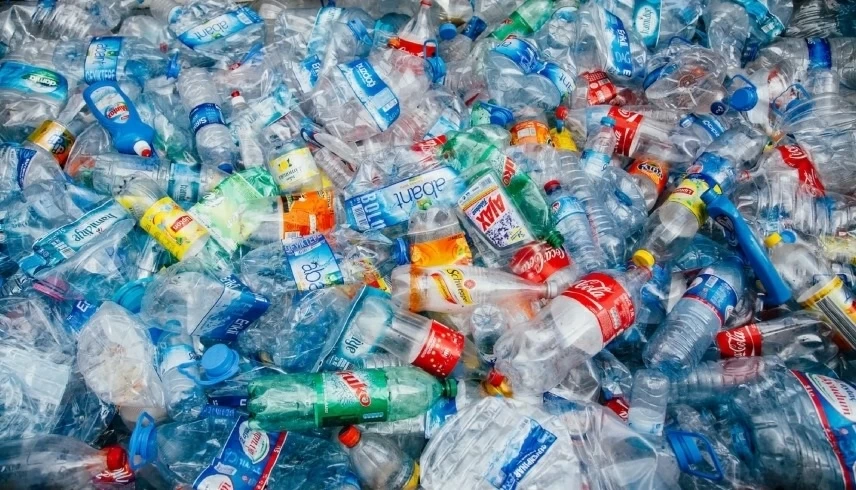
The global struggle against plastic pollution has long been hindered by a fundamental limitation: not all plastics are created equal. While PET bottles are widely recycled, materials like nylon textiles and polyurethane foams often end up in landfills or oceans because they are chemically resistant to traditional recycling methods. However, a breakthrough from the University of Cambridge is turning this environmental liability into a high-value energy asset.
Researchers have developed a solar-powered reactor capable of converting hard-to-recycle plastic waste into clean hydrogen fuel and industrial chemicals. By combining solar energy with a specialized chemical process, the team has created a pathway to treat “trash” as a feedstock for the burgeoning hydrogen economy, effectively transforming discarded polymers into what some are calling a form of “liquid gold.”
This innovation arrives at a critical juncture for global energy policy. As nations strive to meet net-zero emissions targets, the demand for green hydrogen—hydrogen produced without emitting carbon dioxide—has surged. Traditionally, green hydrogen is produced via electrolysis, which requires significant amounts of electricity and pure water. The Cambridge approach offers a dual benefit: it cleans up the planet by removing persistent plastics and generates clean fuel in a single, sunlight-driven process.
The discovery, detailed in the scientific journal Joule, represents a shift in how chemists approach the degradation of synthetic polymers. By utilizing an acid-stable photocatalyst, the team has unlocked a reaction that was previously thought to be impossible in solar-powered systems, opening a new door for sustainable chemical manufacturing.
The Science of Solar-Powered Acid Photoreforming
At the heart of this technology is a process known as solar-powered acid photoreforming. To understand why this is revolutionary, one must first understand the nature of plastic. Plastics are polymers—long, sturdy chains of molecules that are designed to be durable and resistant to decay. Breaking these chains usually requires extreme heat or harsh chemicals, processes that are often energy-intensive and carbon-heavy.
The Cambridge team, led by Professor Erwin Reisner of the Yusuf Hamied Department of Chemistry, took a different approach. They used sulfuric acid—specifically sourced from old car battery acid—to first break down the long polymer chains of the plastic waste. This initial chemical attack converts the plastic into smaller, more manageable molecules, such as ethylene glycol.
Once the plastic is broken down into these intermediate molecules, the solar reactor takes over. The system employs a photocatalyst—a material that can absorb sunlight to trigger a chemical reaction. When exposed to sunlight, the catalyst converts the ethylene glycol into two primary outputs: clean hydrogen gas and acetic acid.
The true technical breakthrough lies in the catalyst itself. In the past, researchers avoided using acids in solar-powered systems because the acid would typically dissolve the catalyst, rendering the system useless. According to lead author Kay Kwarteng, a Ph.D. Candidate in Reisner’s group, the development of a catalyst that could withstand these acidic conditions was the key to making the system viable. Once the stability of the catalyst was solved, the advantages of using acid to pre-treat the plastics became clear.
Tackling the ‘Unrecyclable’ Plastic Problem
Most municipal recycling programs rely on mechanical recycling, which involves sorting, washing, and melting plastics. This works well for high-density polyethylene (HDPE) or polyethylene terephthalate (PET), but it fails for complex materials. Nylon, used in carpets and clothing, and polyurethane, found in foams and insulation, are notoriously difficult to process. These materials often contaminate other recycling streams or are simply incinerated.
The solar reactor does not rely on the physical shape or purity of the plastic in the same way mechanical recycling does. Because the acid photoreforming process attacks the chemical bonds of the polymer, it can handle a wider variety of discarded materials. This allows the technology to target the “bottom of the barrel” of plastic waste—the materials that currently have no viable path back into the economy.
By focusing on these hard-to-recycle streams, the technology supports the transition toward a circular economy. In a linear economy, we “take, make, and dispose.” In a circular economy, the end-of-life stage of a product becomes the raw material for the next. By turning nylon and polyurethane into hydrogen, the University of Cambridge is providing a blueprint for a system where plastic waste is no longer a pollutant but a strategic resource.
The Economic Implications of Hydrogen and Acetic Acid
From a financial and economic perspective, the value of this technology is magnified by its dual-output nature. It does not just produce hydrogen; it also produces acetic acid, a versatile industrial chemical used in the production of vinyl acetate monomer, adhesives, and various solvents.
The ability to generate two commercial-grade products from a waste stream significantly improves the economic viability of the process. In the business of green energy, the “cost per kilogram” of hydrogen is the primary metric for success. By offsetting the cost of production with the sale of acetic acid, this solar reactor could potentially lower the price of green hydrogen, making it more competitive with “grey hydrogen” (which is produced from natural gas and releases significant CO2).
the use of waste battery acid adds another layer of sustainability. Lead-acid batteries are one of the most recycled products globally, but the acid they contain must be managed carefully. Using this waste acid as a reagent in a solar reactor creates a symbiotic relationship between two different waste streams: old batteries and old plastics.
Hydrogen: The Fuel of the Future
To appreciate why turning plastic into hydrogen is so significant, it is necessary to look at the role of hydrogen in the global energy transition. Hydrogen is an energy carrier that produces only water vapor when burned or used in a fuel cell. It is particularly valuable for “hard-to-abate” sectors—industries that cannot easily be electrified, such as heavy shipping, aviation, and steel manufacturing.
Currently, the majority of the world’s hydrogen is produced via steam methane reforming (SMR), a process that relies on fossil fuels. To reach global climate goals, the world must shift toward green hydrogen. While water electrolysis is the most common green method, it requires massive amounts of electricity and high-purity water, which can be scarce in the regions with the most sunlight.
The Cambridge solar reactor provides an alternative pathway. It leverages the chemical energy stored in plastic waste and uses the sun’s energy to release it as hydrogen. This reduces the reliance on the electrical grid and provides a decentralized method of fuel production.
Challenges to Scalability and Industrial Adoption
Despite the promise of the lab results, transitioning a photocatalytic reactor from a controlled university setting to an industrial scale involves significant engineering challenges. One primary concern is the efficiency of light absorption. In a lab, a tiny sample can be exposed to concentrated light, but in a massive industrial plant, ensuring that sunlight reaches all parts of the chemical mixture requires sophisticated reactor design.
the handling of concentrated sulfuric acid at scale requires rigorous safety protocols and corrosion-resistant infrastructure. The costs of building plants that can withstand these acidic environments must be balanced against the value of the hydrogen and acetic acid produced.
There is also the question of feedstock logistics. To make the system viable, a steady stream of sorted plastic waste must be delivered to the reactors. This requires an integration with existing waste management infrastructure, moving from simple collection to a more sophisticated “chemical feedstock” supply chain.
Looking Ahead: The Path to Commercialization
The University of Cambridge research proves that the chemical barrier—the instability of catalysts in acidic environments—has been overcome. The next phase of development will likely focus on optimizing the catalyst’s lifespan and increasing the yield of hydrogen per gram of plastic.
As the technology matures, it could be deployed in regions with high solar irradiance and significant plastic pollution, creating local hubs for clean energy production. This would not only reduce the carbon footprint of fuel production but also provide an economic incentive for the collection and processing of plastic waste in developing economies.
The transition to a sustainable future requires more than just new energy sources; it requires a fundamental rethinking of what we define as “waste.” By viewing a plastic bottle or a piece of nylon fabric as a stored source of hydrogen, this technology aligns environmental cleanup with economic growth.
The next confirmed milestone for this field of research will be the publication of further scalability studies and potential pilot-plant trials, which will determine the real-world efficiency of the solar-powered acid photoreforming process. As these results emerge, the industry will have a clearer picture of how quickly “liquid gold” can move from the laboratory to the gas station.
Do you believe chemical recycling is the answer to the plastic crisis, or should the focus remain on eliminating plastic production entirely? Share your thoughts in the comments below.