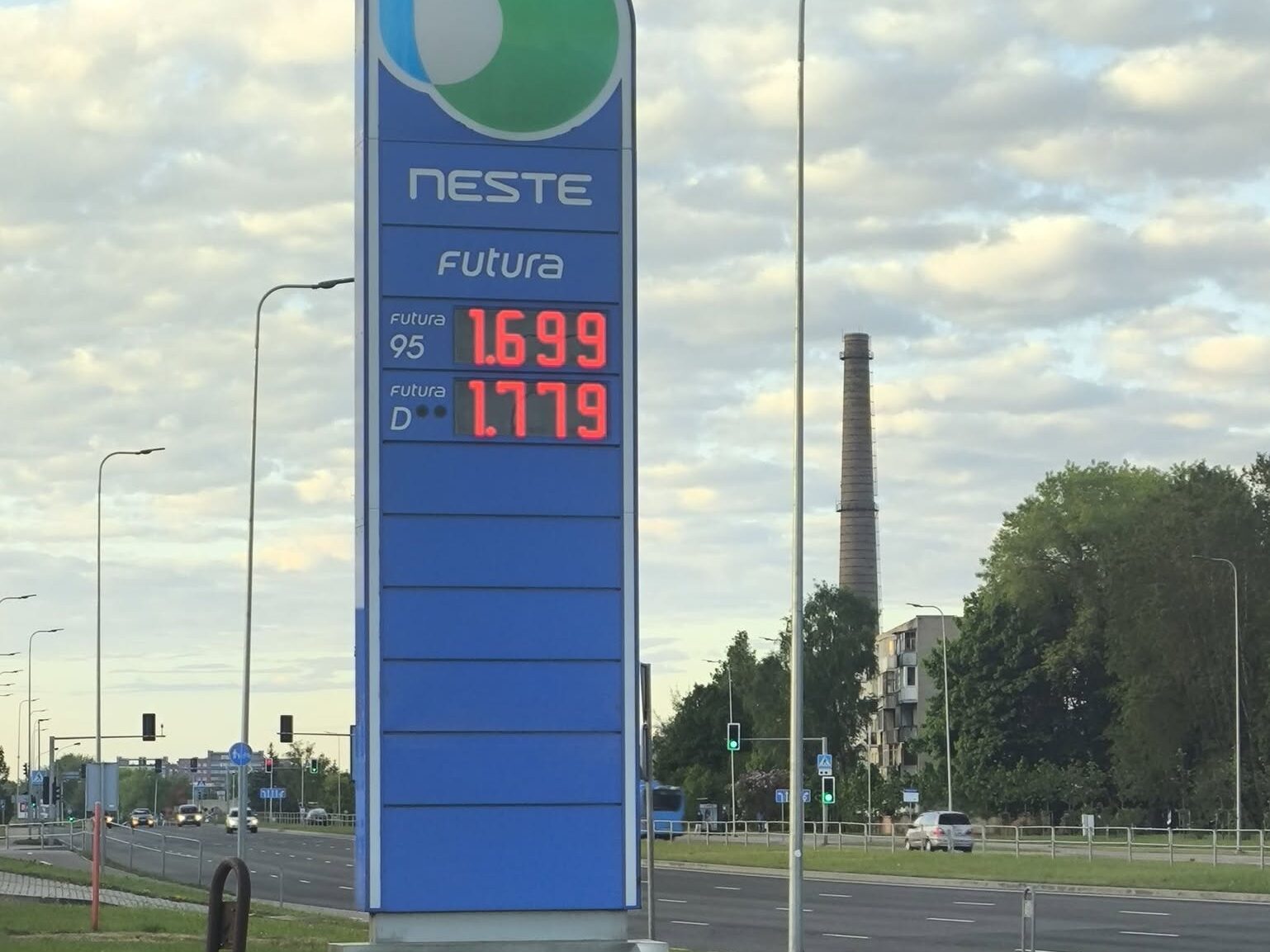
As a global observer of regional market shifts, I have often noted that the Baltic states—Estonia, Latvia and Lithuania—frequently experience divergent economic trends despite their geographical proximity. Recent data regarding retail fuel prices highlights this phenomenon, as motorists in Riga have encountered rising costs at the pump, while their counterparts in Tallinn and Vilnius have seen a downward trend in prices.
For consumers and logistics firms operating across the Baltic corridor, understanding these price fluctuations requires a nuanced look at local market dynamics, supply chain logistics, and the specific taxation policies that influence the final cost of petrol and diesel. While global oil market conditions, such as the volatility of Brent crude, create a baseline for wholesale costs, the retail reality in each capital city is shaped by domestic competition and local inventory management.
Understanding Market Divergence in the Baltics
The recent variation in fuel prices across the three capitals does not necessarily signal a fundamental shift in the regional energy sector, but rather a reflection of differing retail strategies. In Latvia, the market has seen distinct movements in the average price of fuel. According to data from the Latvian Public Broadcasting (LSM), the average price of fuel in the country experienced a 4.7% decrease over the course of May, reflecting a broader period of price stabilization that has been welcomed by local motorists.
Despite this monthly trend, short-term fluctuations continue to impact Riga. While national averages may show a decline, local retail stations in major urban hubs can experience localized price spikes due to supply chain adjustments or temporary changes in demand levels. This explains why motorists in Riga might perceive a rise in prices at specific stations, even when the broader national data indicates a downward trajectory.
The Role of Global Factors and Local Logistics
The retail price of fuel is rarely tied solely to the cost of crude oil. It is a complex calculation involving several layers of costs, including refining, logistics, national excise taxes, and the value-added tax (VAT) applied in each jurisdiction. As reported by the Baltic News Network, market analysts emphasize that while global developments—such as shifts in international tariffs or supply-demand imbalances—influence wholesale exchanges, these changes often reach the consumer with a time lag of several days or even weeks.
the retail environment in Lithuania and Estonia currently reflects a different competitive landscape than that of Latvia. In Vilnius and Tallinn, fuel retailers have adjusted their margins to align with shifting import costs more aggressively, leading to the observed price decreases. These adjustments are essential for maintaining market share in highly competitive retail sectors where consumers are sensitive to even minor differences in price per liter.
Key Takeaways for Motorists
- Regional Variability: Price trends in the Baltics are not uniform; local market competition often overrides regional averages.
- Lagged Impact: Global oil price fluctuations take time to manifest at the pump due to existing fuel stock levels and logistics cycles.
- Taxation and Policy: Differences in national excise duties continue to be a primary driver for the price disparity between the three Baltic nations.
- Consumer Savvy: Utilizing local price-tracking tools and staying informed through official national statistics can help motorists navigate the current volatility.
As we monitor these trends throughout the summer of 2026, it remains clear that the Baltic fuel market is highly reactive to both internal and external pressures. For those looking to stay updated on the most accurate price data, the LV Portals offer regular updates on economic indicators within Latvia, providing a reliable baseline for understanding how these costs may evolve in the coming weeks.
The next official reports on regional inflation and energy sector pricing are expected to be released by the respective national statistical offices by the end of the current month. I encourage our readers to share their own observations on fuel prices in their respective regions in the comments section below, as community-led reporting remains a vital component of our global news discourse.
Worth a look