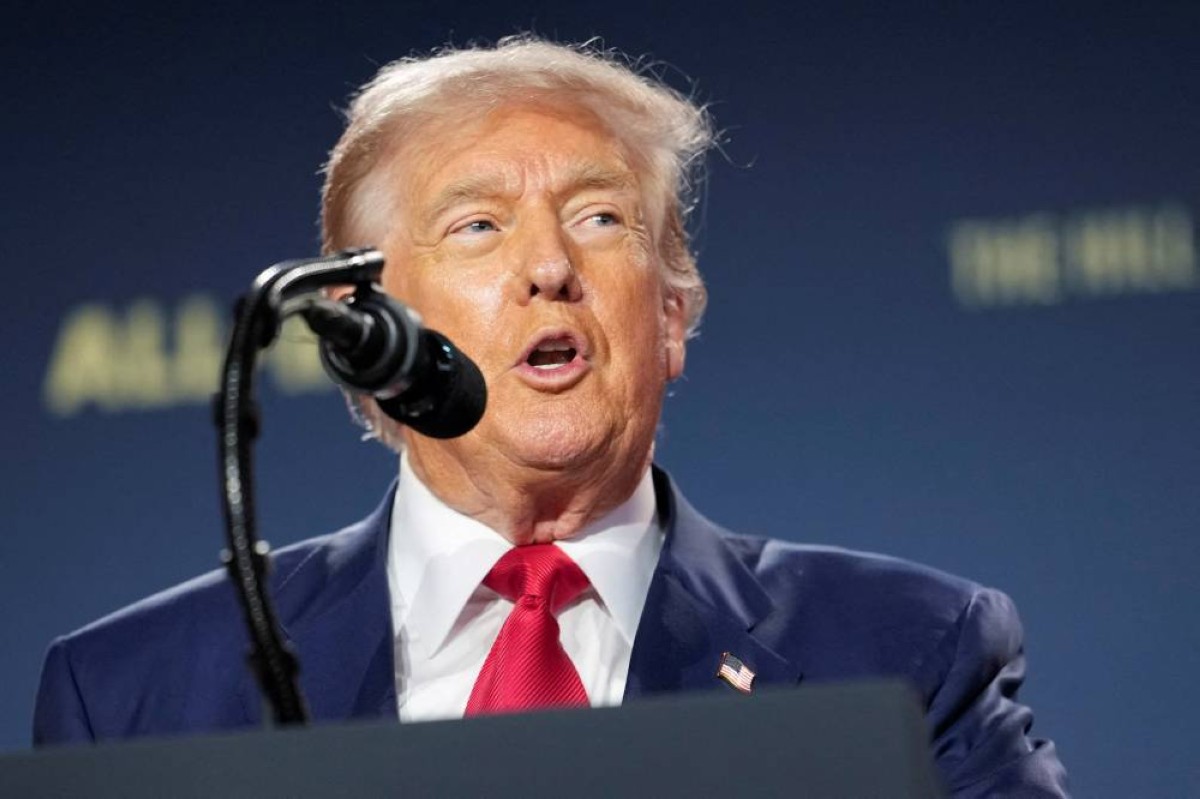
As the international community monitors shifting geopolitical alignments, the status of Iran’s nuclear and missile programs remains a central point of contention in global diplomatic circles. Recent discourse surrounding the Joint Comprehensive Plan of Action (JCPOA), the 2015 accord designed to curb Iran’s nuclear development in exchange for sanctions relief, continues to be shaped by the legacy of the 2018 United States withdrawal from the agreement.
The geopolitical landscape regarding Iran’s nuclear trajectory has remained complex since the United States exited the JCPOA, a move predicated on claims that the deal failed to adequately address the country’s missile development and broader regional influence. According to the Council on Foreign Relations, the agreement was intended to restrict Iran’s nuclear capabilities while providing billions of dollars in sanctions relief, a framework that has been in significant jeopardy for several years.
The Evolution of the Iran Nuclear Agreement
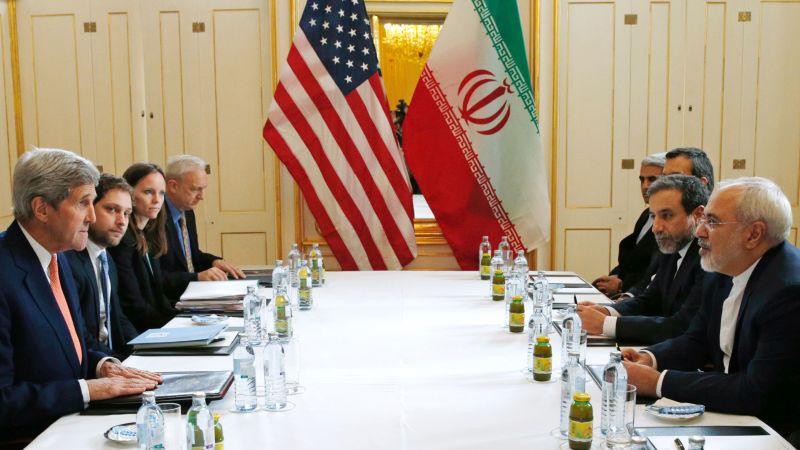
The Joint Comprehensive Plan of Action (JCPOA) was established in July 2015, involving Iran and several world powers. The core objective was to dismantle significant portions of Iran’s nuclear program and facilitate rigorous international inspections. Proponents at the time argued that the agreement was essential to preventing the proliferation of nuclear weapons and mitigating the risk of conflict between Iran and its regional rivals, such as Saudi Arabia and Israel.
However, the agreement faced severe strain following the 2018 U.S. Withdrawal. Following this departure, Iran began to move away from the limitations set by the accord. By early 2023, international inspectors indicated that Iran had reached levels of uranium enrichment nearing weapons-grade, a development that prompted widespread international concern regarding the future of regional stability and non-proliferation efforts.
Diplomatic Challenges and Regional Security
The path toward reviving arms control agreements has been hindered by multiple factors, including Iran’s continued nuclear advancements and its involvement in conflicts across Ukraine and the Gaza Strip. While both Washington and Tehran have expressed an interest in returning to the original terms of the 2015 deal, significant disagreements persist regarding the necessary steps and sequence of compliance required from both sides.
The broader context of U.S. Foreign policy under the current administration emphasizes a doctrine often described as “peace through strength.” As outlined in recent statements from the White House, the administration maintains a focus on securing alliances and fostering global stability, though specific diplomatic engagements regarding Iran remain a subject of ongoing international analysis and debate.
Key Contextual Developments
The dialogue surrounding Iran’s missile capabilities and its nuclear program is frequently influenced by varying reports on the efficacy of previous sanctions and the current state of Iran’s internal stockpiles. While various media outlets have reported on claims regarding the percentage of Iran’s remaining missile arsenal or the status of ongoing negotiations, It’s essential to distinguish between official government policy and independent or unverified analytical assessments.
The current situation remains a fluid, developing topic in international relations. Interested readers and stakeholders are encouraged to monitor official press briefings from the U.S. Department of State and the International Atomic Energy Agency (IAEA) for the most accurate and up-to-date reports on nuclear inspections and diplomatic progress.
Summary of Key Considerations
- The 2015 JCPOA aimed to restrict nuclear development in exchange for sanctions relief.
- The 2018 U.S. Withdrawal significantly altered the diplomatic framework.
- Ongoing regional conflicts and nuclear enrichment levels continue to complicate potential future negotiations.
- Official updates on the status of these programs are provided periodically by international inspection bodies and government agencies.
As we continue to cover these developments from Sofia, we invite our readers to engage with the facts as they emerge from official diplomatic channels. For those seeking further information on the legal and technical aspects of these agreements, the Council on Foreign Relations provides comprehensive backgrounders on the history and current status of the JCPOA.
;height:auto;width:100%25 "Foreign Relations")
We welcome your perspectives on these complex geopolitical issues. Please feel free to share your thoughts in the comments section below or join the conversation on our social media platforms as we continue to track this critical global story.
Worth a look
- How Many Cups of Coffee per Day Are Actually Healthy for Your Heart and Liver?
- Japan’s ‘Butsukari’ Phenomenon: Intentional Bumping Becomes a Social Issue
- Donald Trump Softens Diplomatic Tone Toward Ukraine by July 2026 (archyworldys.com)
- Netanyahu Meets Trump in Washington to Prioritize Iran Security Strategy (time.news)