
Fumito Ueda, the acclaimed director behind legendary titles such as Ico, Shadow of the Colossus, and The Last Guardian, has confirmed that his studio, GenDesign, is not using generative artificial intelligence for the creative development of his upcoming sci-fi adventure, Gen Atlas. While the studio utilizes AI for specific administrative and project management tasks, Ueda emphasized that all core elements of the game’s development are being produced by human creators.
The distinction comes at a critical time for the video game industry, as players and developers alike grapple with the ethical and creative implications of generative AI. By clarifying that “everything that is considered game development” is handled by humans, Ueda is positioning GenDesign as a studio committed to traditional, human-led craftsmanship in an era of increasing automation.
How GenDesign distinguishes “human-made” development from AI tools
In a recent interview regarding the studio’s workflow, Ueda clarified that the use of artificial intelligence at GenDesign is strictly confined to organizational efficiency. Rather than using AI to generate textures, character models, or musical scores, the studio employs these tools to streamline the logistical side of production.
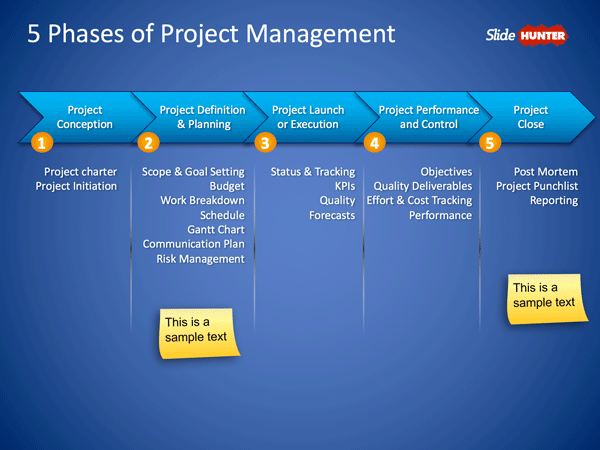
According to Ueda, GenDesign utilizes AI for several practical, non-creative functions, including:
- Creating and managing complex production schedules.
- Summarizing meeting notes to ensure team alignment.
- Retrieving technical information regarding the use of new software and development tools.
This approach separates “project management” from “game development.” While the studio leverages technology to handle the heavy lifting of data organization and scheduling, the actual artistry—the concept art, the environmental design, the narrative structure, and the mechanical gameplay—remains entirely the work of human designers and artists.
The divide between administrative AI and creative generative AI
The conversation surrounding Gen Atlas highlights a growing nuance in how the industry defines “AI use.” There is a significant distinction between using AI as a productivity assistant and using it as a generative engine for creative assets. The latter is often the subject of intense debate among fans and industry professionals.
The most controversial applications of generative AI in gaming include “ideation,” where AI suggests concepts, as well as the automated generation of:
- Concept art and environmental textures.
- In-game 3D assets and character models.
- Localized dialogue and voice acting.
- Musical compositions and sound effects.
For many players, the concern lies in the potential loss of the “human touch”—the intentionality and emotional depth that comes from a person’s creative vision. By explicitly stating that the core development of Gen Atlas is human-led, Ueda is addressing these concerns directly, providing reassurance to a fanbase that values the unique, atmospheric experiences his previous works provided.
Platform policies: Steam versus the Epic Games Store
The debate over AI transparency is not just a social one; it has also become a matter of platform policy. Different digital storefronts have adopted vastly different approaches to how developers must disclose the use of generative AI, creating a fragmented landscape for consumers.
Steam, one of the world’s largest PC gaming platforms, requires developers to disclose if they have used generative AI for any controversial creative purposes. This has led to a new consumer habit: checking a game’s Steam page for AI disclosures immediately following a major announcement. This ritual has already sparked discussions in the community regarding various upcoming titles.
In contrast, the Epic Games Store—where Gen Atlas will be available on PC—does not mandate these specific disclosures. Gen Atlas is published by Epic Games, and the platform’s leadership has historically taken a different view on these requirements. Epic CEO Tim Sweeney has previously criticized the mandatory disclosure rules implemented by Steam, suggesting that such requirements do not necessarily provide meaningful value to the consumer.
Consumer demand for transparency in the AI era
Despite differing platform rules, the social discourse suggests that transparency is becoming a baseline expectation for the gaming community. As generative AI becomes more integrated into various professional workflows, players are increasingly looking for clarity on how much of a game’s soul is “machine-made” versus “human-made.”
The reaction to developers using AI for assets often centers on the fear of devaluing the work of human artists and writers. For a director like Ueda, whose reputation is built on highly specific, evocative, and hand-crafted worlds, the decision to keep generative AI out of the creative pipeline is likely a strategic move to maintain the artistic integrity that his audience expects.
Key Takeaways: GenDesign’s AI Stance
- Core Development: All creative elements of Gen Atlas are made by humans.
- Administrative Use: AI is used only for scheduling, meeting summaries, and tool research.
- Platform Context: Gen Atlas will be published by Epic Games on the Epic Games Store.
- Industry Trend: The studio’s disclosure follows a growing trend of developers clarifying their stance on AI to maintain player trust.
As development on Gen Atlas continues, the industry will be watching to see how GenDesign balances technological efficiency with the human-centric artistry that has defined Fumito Ueda’s career. We expect further updates on the game’s production timeline and gameplay mechanics as the studio moves closer to a release window.
What are your thoughts on the use of AI for project management in game development? Do you believe studios should be required to disclose all forms of AI use? Let us know in the comments below and share this article with your fellow gamers.
Worth a look