The Republican Party’s response to Donald Trump’s recent walkout from a Meet the Press interview suggests a deepening schism between mainstream party members and the MAGA wing. Rather than a unified condemnation of the president’s departure, the GOP has largely split into two camps: those who silently tolerate the disruption and those who actively amplify the claims that sparked it. This internal division is being tested by emerging allegations of election interference in the 2026 Los Angeles mayoral primary.
The incident, which occurred during an interview with moderator Kristen Welker, has become a flashpoint for discussions regarding election legitimacy and the stability of Republican political norms. As the party navigates the fallout, the refusal to challenge Trump’s assertions of a “rigged” election is reshaping the landscape of American political discourse and institutional trust.
The Meet the Press Confrontation: A Breakdown of the Walkout
The tension during the Meet the Press segment escalated when Trump was questioned regarding his proposal for a government fund intended for individuals he claims are victims of “government weaponization.” While Trump’s deputies have previously indicated that the fund is no longer active, Welker sought to clarify the president’s current stance on the matter.
According to the transcript of the exchange, Trump responded to the inquiry by characterizing himself and his supporters as targets of “violent” retribution carried out by “thugs” and “dirty cops.” When Welker noted the lack of evidence for these claims—and pointed out that several individuals pardoned by the administration had previously pleaded guilty to assaulting officers during the January 6 Capitol riot—the interaction turned hostile.
Trump directed insults at Welker and the media, labeling them “the fake, dirty press” and “the crooked press.” The situation reached a breaking point when Trump linked his grievances to the ongoing 2026 Los Angeles mayoral primary, asserting, “The election was rigged. It was a dirty election. And it’s happening again right now in California.” When Welker pressed him for evidence, Trump replied, “All I have to do is look,” before walking off the set.
The Los Angeles Mayoral Primary and Allegations of Rigging
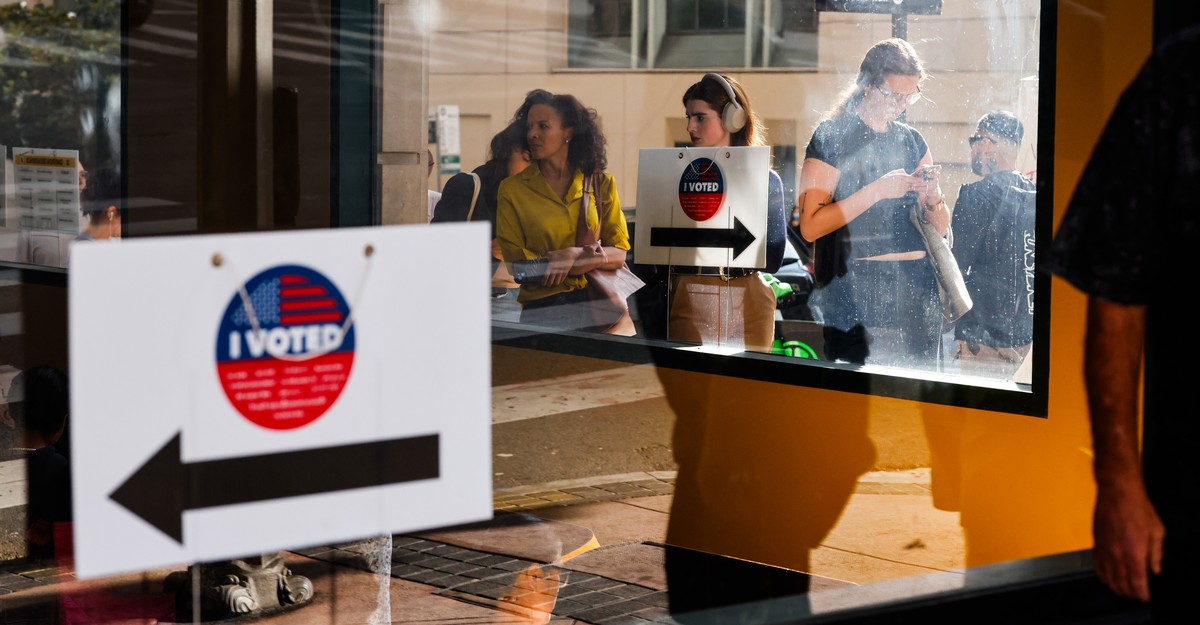
The president’s comments arrived at a critical moment for the Republican campaign in Los Angeles. The mayoral primary has seen significant volatility as more ballots are processed. The Republican candidate, reality-television personality Spencer Pratt, initially held a second-place position, which would have secured him a spot in the November runoff against the incumbent, Karen Bass.
However, as late-arriving mail-in ballots—which historically trend Democratic in California—have been counted, Pratt has dropped into third place, trailing behind City Councilmember Nithya Raman. This shift has triggered an immediate wave of skepticism among conservative commentators and figures on social media.
Claims of vote-rigging have not been limited to the political fringes. Reports indicate that assertions of fraud have circulated among radio producers, Fox News columnists, and various sports pundits. One notable theory, proposed by former federal prosecutor William Shipley on X, suggested that the Democratic establishment moved to eliminate Pratt’s campaign to prevent his high-impact advertising from impacting the incumbent’s standing. Shipley argued that the administration could not risk five more months of Pratt’s campaign targeting the perceived incompetence of the current leadership.
Despite these claims, no concrete evidence has been produced to support the idea of a criminal conspiracy to manipulate the Los Angeles vote totals. Election officials continue to process the remaining ballots, and the final results for the primary remain officially unconfirmed.
A Party Divided: The Silent and the Loud
The Republican Party appears to be functioning under two distinct modes of engagement regarding Trump’s rhetoric. The first group consists of traditionalists and mainstream figures who, while perhaps uncomfortable with the walkout, choose to remain silent to maintain party unity or avoid the wrath of the MAGA base. The second group consists of those who have adopted election denialism as a core part of their political identity, using the president’s claims to bolster their own platforms.
This shift is being observed even by those who have historically occupied the middle ground of the party. Meghan McCain, a figure who has often navigated the space between the party’s mainstream and its MAGA wing, noted the changing tide. McCain observed that individuals in her personal circle, who had never previously engaged in discussions regarding “stolen elections,” are now actively discussing the situation in California.
This phenomenon points to a broader institutional shift. For a Republican of significant standing to concede the fairness of the 2020 election has become increasingly rare. The result of this imbalance is a political environment where the most vocal proponents of unverified claims gain increasing credibility, effectively shifting the party’s “center” toward more radical positions.
The Broader Implications of Institutional Distrust
From a macroeconomic and political stability perspective, the erosion of trust in election outcomes presents a significant risk. When a major political party begins to reject the legitimacy of democratic processes, it creates a landscape of unpredictability that can affect everything from market sentiment to international diplomatic relations.
The tactic of using “loud, insistent lies” to overpower opposition is not merely a media strategy; it is a method of internal party discipline. By characterizing any dissent as a lack of loyalty or an acceptance of “rigged” systems, the leadership can effectively bully fellow Republicans into submission. This creates a feedback loop where the party’s ability to engage in fact-based policy debate is diminished in favor of maintaining a unified front of grievance.
As the Los Angeles election results continue to be finalized, the eyes of the nation remain on whether the Republican Party will return to a consensus on the legitimacy of the vote, or if the current trend of denialism will become the permanent standard for the GOP.
Key Context: The 2026 L.A. Primary Landscape
- Leading Candidate: Karen Bass (Incumbent)
- Contending Candidates: Nithya Raman, Spencer Pratt
- Current Status: Results pending final mail-in ballot counts
- Primary Conflict: Allegations of vote-rigging vs. standard Democratic-leaning mail-in ballot trends
The next major checkpoint in this developing story will be the official certification of the Los Angeles mayoral primary results by the City Clerk’s office. We will continue to monitor official filings for any updates on the vote tally or legal challenges.
What are your thoughts on the impact of election skepticism on party unity? Share this article and join the conversation in the comments below.