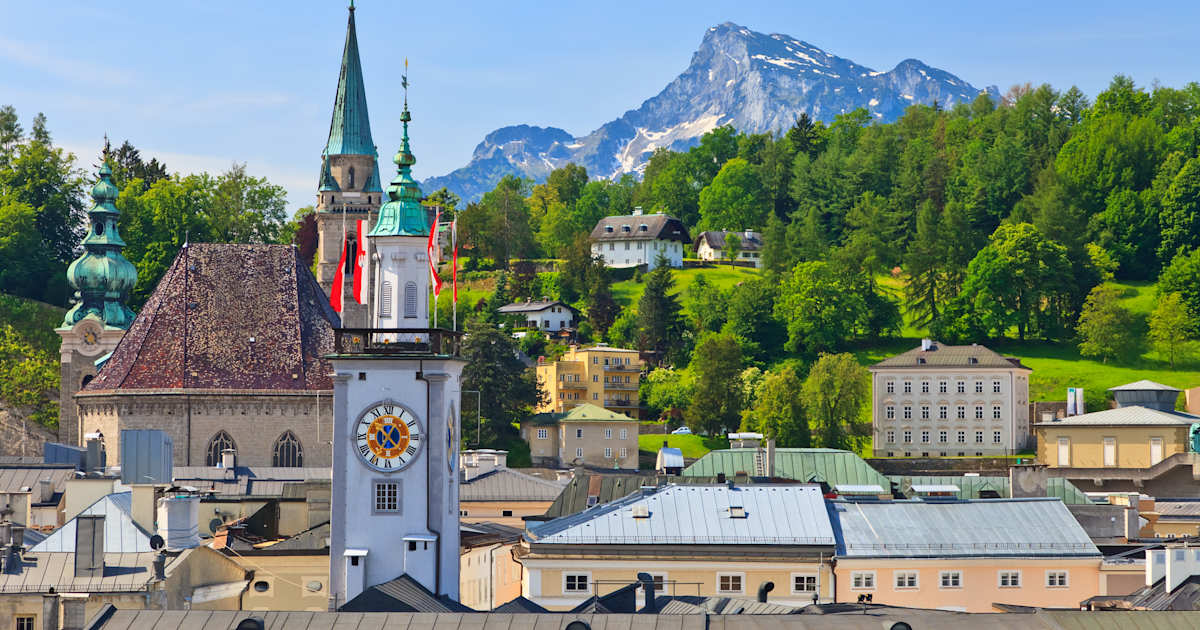
Salzburg, the historic Austrian city nestled against the backdrop of the Alps, serves as a premier destination for travelers seeking a blend of Baroque architecture, musical heritage, and Alpine scenery. Known as the birthplace of Wolfgang Amadeus Mozart, the city—home to approximately 152,000 residents—offers a diverse array of cultural and historical experiences that anchor any itinerary in the region. According to documentation from the UNESCO World Heritage Centre, the city’s historic center is recognized for its unique urban fabric and architectural significance.
For visitors planning a trip to this UNESCO-listed landmark, the “Salzburg bucket-list” typically centers on the city’s ability to balance its rich musical legacy with its proximity to dramatic natural landscapes. Whether exploring the narrow, cobblestone streets of the Altstadt or ascending to the fortress that dominates the skyline, the city provides a concentrated experience that remains accessible even within a short stay.
Exploring the Historic Fortress and Altstadt
The Festung Hohensalzburg, or Hohensalzburg Fortress, stands as one of the most prominent features of the Salzburg landscape. As a primary site for visitors, the fortress offers panoramic views of the city and the surrounding mountains. Historical records indicate that this fortification has served as a symbol of the city’s defensive and political history for centuries. Visitors often combine a trip to the fortress with a walk through the Altstadt, the historic old town, which is characterized by its preserved medieval and Baroque structures.
The city’s connection to Wolfgang Amadeus Mozart is a cornerstone of its tourism identity. The composer’s childhood home, located in the heart of the city, remains a frequently visited site where guests can view his early instruments. The International Mozarteum Foundation maintains these sites, providing context to the composer’s life and his enduring influence on Western classical music.
Musical Heritage and The Sound of Music
Beyond its classical roots, Salzburg is internationally recognized for its association with the 1965 film The Sound of Music. Many travelers seek out specific shooting locations throughout the city and the nearby Alpine regions. While the film is a major draw, the city also hosts the Marionette Theatre, which features performances of classic works, including adaptations of Mozart’s operas and other musical tales. This theatre has been a fixture in the city’s cultural scene for generations, offering a specialized form of storytelling that remains a distinct highlight for many visitors.
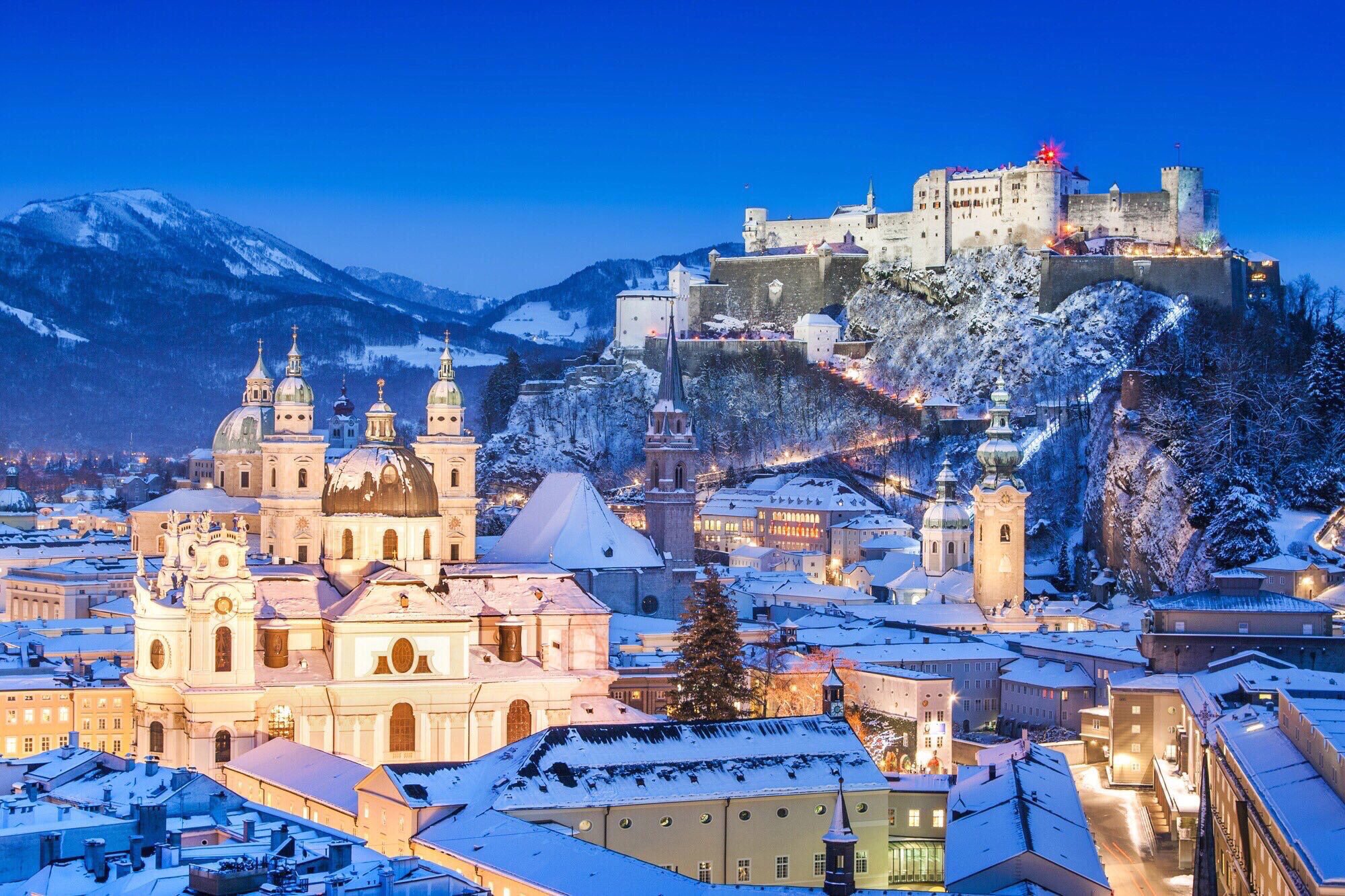
For those interested in the logistical side of visiting these sites, the “Salzburg Card” is a common tool utilized by tourists. The card provides access to various museums, the fortress funicular, and the public transportation network, streamlining the experience for those with limited time. Official Salzburg tourism authorities note that the card is designed to simplify travel across the city’s main attractions, allowing for more efficient movement between the historic center and outlying points of interest.
Natural Landscapes and Alpine Proximity
The geography surrounding Salzburg is defined by its proximity to the Austrian Alps, providing a natural extension to the city’s cultural offerings. Sites such as the Hellbrunn Palace, known for its extensive water features and gardens, highlight the integration of natural water sources into the region’s architectural planning. Furthermore, the salt mines in the nearby Berchtesgaden area—located just across the border in Germany—are a popular excursion for visitors looking for a mix of industrial history and recreation.
The region’s accessibility is bolstered by its proximity to other major transport hubs; for example, the city is connected to Munich by a rail journey that takes approximately two hours. This connectivity makes Salzburg a central point for exploring both the Austrian and Bavarian Alpine regions. Travelers are encouraged to check the current schedules for the cathedral concerts and local theatre performances, as these events often operate on specific daily or seasonal rotations.
Practical Tips for Your Visit
When organizing an itinerary, prioritizing the most iconic sites can help manage the time spent in the city. The following list represents key areas often cited by visitors as essential:
- Hohensalzburg Fortress: The primary vantage point for city views and historical exhibits.
- Mozart’s Birthplace: A central museum dedicated to the composer’s early years.
- Mirabell Gardens: Noted for its Baroque layout and status as a filming location.
- Altstadt: The UNESCO-protected historic center, ideal for walking tours.
- Hellbrunn Palace: Famous for its trick fountains and expansive park grounds.
For the latest updates on site accessibility, concert schedules, and seasonal events, visitors should consult the official Salzburg tourist office website before arrival. As of June 2026, standard tourist operations remain in effect, and the city continues to provide its full range of historical and cultural programming to international guests.
We invite readers to share their own experiences or tips for visiting Salzburg in the comments section below. Whether you are a first-time visitor or a returning traveler, your insights on navigating the city’s highlights are valuable to our community.
Related reading