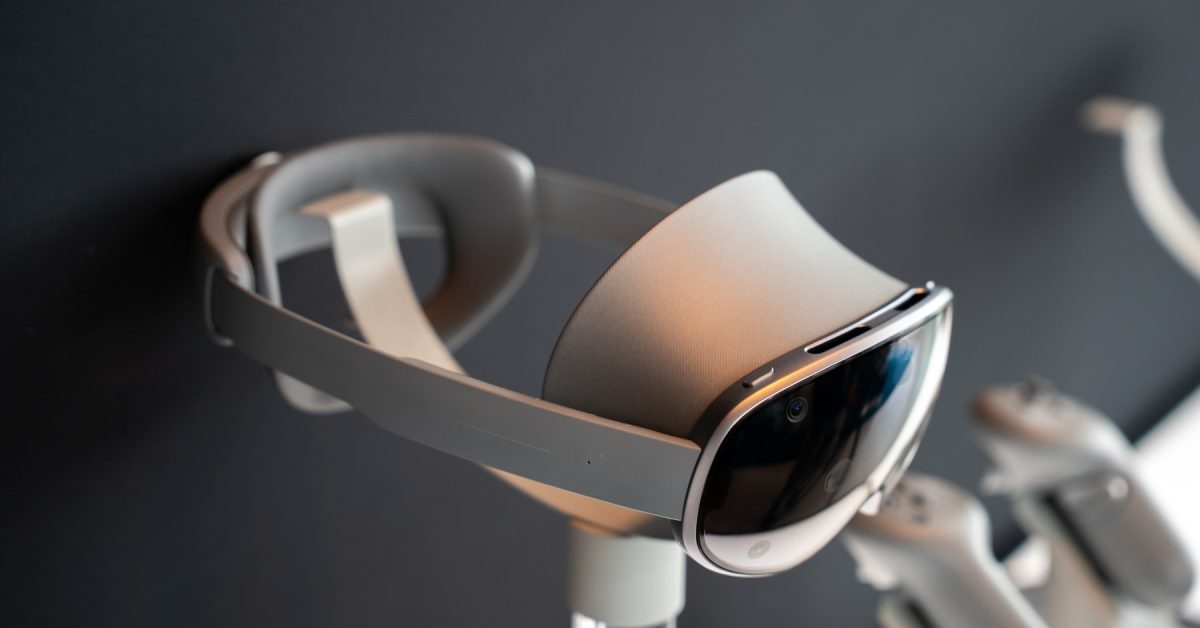
Samsung Galaxy XR: A Deep Dive into the High-End VR Headset and What It Means for the Future
The recently unveiled Samsung galaxy XR is generating significant buzz within the virtual reality community. It’s a device packed with extraordinary technology, but its launch has also sparked debate about its price, features, and long-term viability. Let’s break down what makes this headset stand out, where it falls short, and what it signals for the future of XR (extended reality).
A Premium Price Tag and Notable Omissions
First and foremost, the Galaxy XR commands a hefty $1,799 price tag – a figure that instantly places it in the high-end segment, competing with devices like the Varjo Aero. Surprisingly, this price doesn’t include controllers. This decision is unusual and has raised concerns among potential buyers and developers alike.
Several key points are emerging from early discussions:
* App Progress Concerns: without bundled controllers, developers may prioritize hand-tracking input over controller-based experiences. This could lead to a fragmented ecosystem where optimal experiences require an additional purchase.
* Price Sensitivity: While $1,799 is substantial, adding controllers for an additional $100-$200 might not significantly deter those already considering a premium VR headset. The question becomes whether the perceived value justifies the overall cost.
* A Potential Long-Term Strategy: Samsung might be betting on the increasing sophistication of hand tracking, aiming to create a more intuitive and accessible VR experience.However, this remains to be seen.
Technical Specifications: Where the Galaxy XR Shines
Despite the controller controversy,the Galaxy XR boasts some truly impressive specifications. it’s a significant leap forward in several key areas:
* High-Resolution Displays: The headset features dual 2.5K micro-OLED displays, delivering remarkable visual clarity and detail. This is a noticeable upgrade over many existing VR headsets.
* Advanced Tracking: Integrated eye and face tracking are standout features, opening up possibilities for more immersive and expressive social VR experiences, notably within platforms like VRChat.
* Pancake Optics: Utilizing pancake lenses results in a slimmer and more pleasant headset design compared to customary Fresnel lenses.
* Powerful Processing: The Qualcomm Snapdragon XR2 gen 2 platform provides the necessary horsepower for demanding VR applications.
Though, one specification is causing concern: the 90Hz refresh rate.
Refresh Rate: A Potential Dealbreaker?
A 90Hz refresh rate, while acceptable, is lower than the 120Hz offered by some competitors, including the Meta Quest 3. This difference can impact visual smoothness and potentially contribute to motion sickness for some users. The limitation appears to be tied to the chipset’s capabilities, representing a trade-off in Samsung’s design choices.
Is This a Long-Term Commitment from Samsung?
The launch of the Galaxy XR has been relatively quiet, lacking the extensive marketing push typically associated with a flagship product. This has led some to speculate whether Samsung is fully committed to the XR space.
Several observations fuel this debate:
* Google’s Past Projects: The fate of previous Google XR ventures has created a sense of caution within the industry.
* A “Wait and See” Approach: Samsung might potentially be testing the waters, gauging consumer interest before investing heavily in future XR development.
* Resource Allocation: Samsung has the financial resources to pursue XR, but it’s also diversifying its investments across other technologies.
Initial Reactions and Future Outlook
Early reactions to the Galaxy XR are mixed. Some are excited about its advanced features, particularly the eye and face tracking. Others are hesitant due to the high price,lack of included controllers,and lower refresh rate.
Many are anticipating a price drop in the coming years,potentially making the headset more accessible to a wider audience. Ultimately, the success of the Galaxy XR will depend on several factors:
* Developer Support: Encouraging developers to create compelling experiences that leverage the headset’s unique features is crucial.
* Software Ecosystem: A robust and user-friendly software platform will be