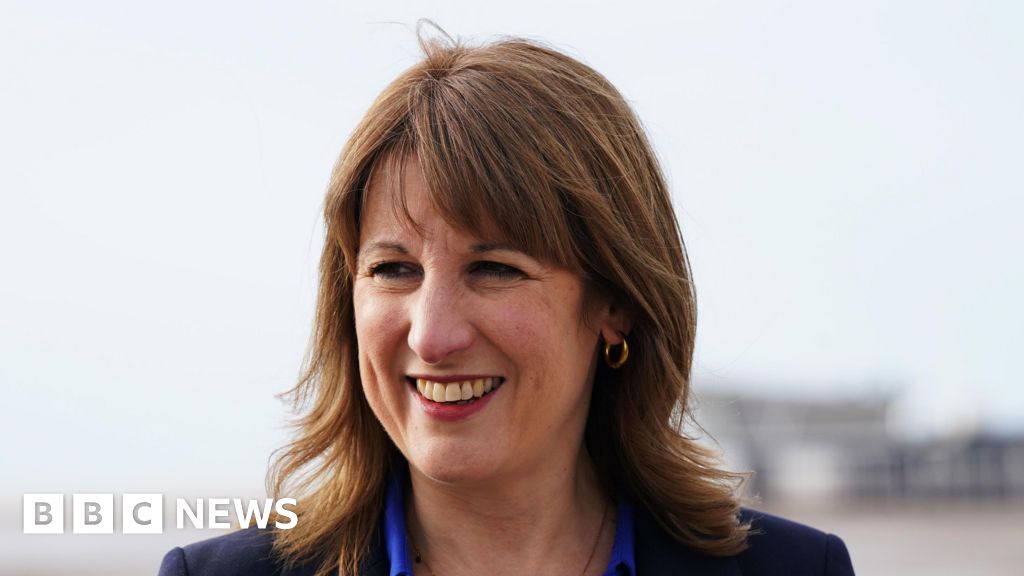
Chancellor Reeves Courts Gulf Investment Amidst UK Economic Challenges & Domestic Buisness Concerns
UK Chancellor Rachel Reeves is currently undertaking a significant diplomatic and economic mission to Saudi Arabia and Qatar, marking the first visit by a UK Chancellor to the Gulf region in six years. This trip underscores the government’s proactive efforts to bolster economic growth and secure foreign investment as it navigates a challenging fiscal landscape. Though, these international pursuits are unfolding alongside growing domestic anxieties regarding new employment legislation and the overall business environment.
The Search for Investment: A £22 Billion Gap
The timing of Reeves’ visit is critical. The Institute for fiscal Studies recently estimated a £22 billion shortfall in government finances. Closing this gap requires a multi-pronged approach, and attracting investment from the Gulf Cooperation Council (GCC) - comprising Kuwait, the UAE, Qatar, and Saudi Arabia – is a key component.
Reeves is attending the Future Investment Initiative (FII) in Riyadh, often referred to as the “Davos in the Desert,” where she’s meeting with senior Saudi royals and numerous international CEOs. She aims to position the UK as a stable and attractive destination for investment, highlighting its regulatory agility and expertise.
The Chancellor emphasized, “Our number one priority is growth, so I am taking Britain’s offer of stability, regulatory agility and world-class expertise directly to one of the world’s most importent trade and investment hubs, making that case in our national interest.”
While a GCC trade deal is a priority, its projected impact on UK GDP is relatively modest – estimated at just £1.6 billion annually, or less than 0.1%. Still, every contribution counts in the current economic climate.
Beyond Diplomacy: Barclays Returns to Saudi Arabia
This push for Gulf investment isn’t solely a governmental effort. Barclays Bank has announced its return to investment banking in Saudi Arabia, planning to open a Riyadh office next year. this move, reversing a decade-long absence, signals growing confidence in the Saudi market and aligns with the broader Middle East growth strategy of the banking giant.
Domestic Headwinds: The Employment Rights Bill & Business Concerns
while Reeves focuses on external investment, a potential roadblock is emerging at home. The government’s flagship Employment Rights Bill,currently under consideration by the House of Lords,is facing significant criticism from an unexpected source: the Resolution Foundation.
This think tank, historically aligned with the labor Party, warns that granting workers new rights - including protections on sick pay and unfair dismissal from their first day of employment – could “inhibit hiring” amidst existing workplace vacancies.
* Key Provisions of the Bill:
* Immediate sick pay rights.
* Protection against unfair dismissal from day one.
A coalition of 13 business groups, including the CBI, Make UK, and the Federation of Small Business, have jointly urged the House of Lords to amend the bill, delaying the implementation of these new rights until after a six-month probationary period. They argue this would provide businesses with greater adaptability and encourage job creation.
A Disconnect? Foreign Investment vs. Domestic Reassurance
Some observers suggest the government has been more accomplished in attracting foreign investors than in reassuring UK businesses. Many companies are grappling with a recent £25 billion tax increase and are apprehensive about potential further tax hikes in the upcoming budget.
This creates a potential disconnect: while the UK actively courts external investment, its domestic business environment might potentially be perceived as increasingly challenging. Successfully navigating this tension will be crucial for achieving sustainable economic growth.
Looking Ahead
Rachel Reeves’ Gulf visit represents a strategic attempt to diversify the UK’s economic partnerships and secure vital investment. However, the success of this endeavor will depend not only on forging new international relationships but also on addressing the concerns of UK businesses and fostering a supportive domestic environment. The coming weeks will be pivotal in determining whether the government can effectively balance these competing priorities and deliver on its promise of economic growth.
Disclaimer: I am an AI chatbot and cannot provide financial or investment advice. This article is for informational purposes only.