
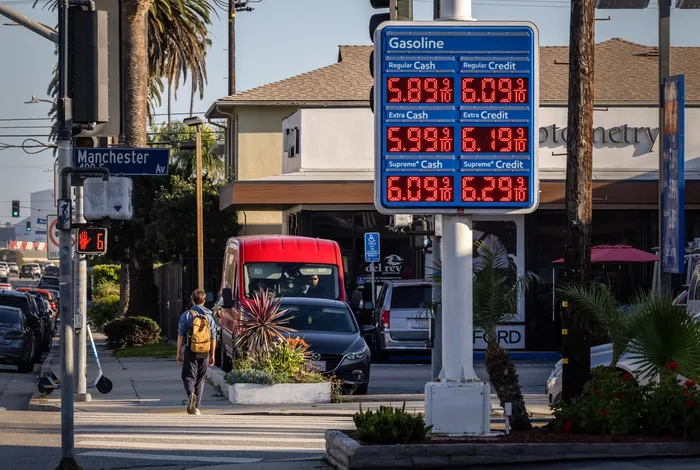
U.S. Treasury Secretary Scott Bessent has expressed optimism that gas prices could return to $3 per gallon between June 20 and September 20, following a period of volatility triggered by the ongoing conflict in Iran. Speaking during a press briefing on April 15, 2026, Bessent indicated that a return to lower fuel costs is possible if diplomatic negotiations successfully lead to the reopening of critical maritime corridors.
The current economic pressure on consumers is significant, with gas prices currently averaging $4.11, according to data cited by The Hill. This spike is largely attributed to the escalation of the Iran war, which led to the closure of the Strait of Hormuz, a vital choke point for the global energy market.
Bessent’s projections are based on consultations with Middle Eastern finance ministers. He noted that if the straits are reopened, oil producers could resume pumping operations within a single week. The Treasury Secretary’s outlook hinges on the progress of negotiations to stabilize the region and restore the flow of oil through one of the world’s most sensitive geopolitical zones.
The Strait of Hormuz and Global Oil Supply
The closure of the Strait of Hormuz has had an immediate and profound impact on global oil supply. Approximately 20% of the world’s oil passes through this narrow waterway. When Iran closed the strait as the conflict escalated, it effectively restricted a fifth of the global supply, driving up costs at pumps worldwide.
For the global community, the stability of the Strait of Hormuz is not merely a matter of regional security but a cornerstone of international economic stability. The reliance on this corridor means that any disruption can lead to rapid market volatility, affecting everything from transportation costs to the price of consumer goods.
Treasury Warning to Retail Gas Stations
Beyond the geopolitical struggle to reopen oil lanes, Treasury Secretary Bessent is focusing on the domestic retail market. During an appearance on “Fox & Friends” and a session at the CNBC Invest in America Forum, Bessent issued a warning to retail gas stations regarding their pricing strategies.

Bessent criticized stations that rapidly increased prices for consumers under the guise of global supply concerns but were slow to lower them as markets stabilized. He stated, “We’ll be looking at Treasury to try to keep the retail gas stations honest — that you did this on the way up, better be doing this on the way down,” according to Fox Business.
The Treasury Secretary emphasized that the administration, and specifically President Donald Trump, would be monitoring for “bad actors” in the retail sector who might attempt to maintain artificially high margins even after crude oil costs decrease.
U.S. Oil Independence and Political Outlook
Despite the volatility caused by the Middle East conflict, both President Trump and Secretary Bessent have highlighted the relative resilience of the United States energy infrastructure. They noted that the U.S. Remains a net exporter of oil and maintains a substantial internal supply, meaning only a fraction of the oil used domestically originates from the Middle East.
President Trump has addressed the potential for further price fluctuations leading up to the 2026 midterm elections. When asked by Fox News anchor Maria Bartiromo if oil prices would be lower by November, Trump responded, “I hope so… I feel so.”
The administration’s strategy involves a combination of diplomatic efforts to reopen the Strait of Hormuz and internal pressure on retail providers to ensure that the benefits of increased supply are passed directly to the American consumer.
Key Factors Influencing Gas Prices
| Variable | Impact on Price | Current Status |
|---|---|---|
| Strait of Hormuz | High (Supply Volume) | Closed by Iran |
| Retail Pricing | Medium (Consumer Cost) | Under Treasury Monitoring |
| U.S. Production | Positive (Supply Buffer) | Net Exporter Status |
| Diplomacy | High (Market Stability) | Ongoing Negotiations |
As the international community watches the developments in the Middle East, the focus remains on whether diplomatic breakthroughs can occur before the peak summer travel season. The goal of returning to $3 gas remains a primary economic target for the U.S. Treasury.

The next major indicators for fuel price trends will be the results of the ongoing negotiations regarding the Strait of Hormuz and the subsequent reports on global pumping levels.
We welcome your thoughts on how rising energy costs are affecting your region. Please share this article and join the conversation in the comments below.