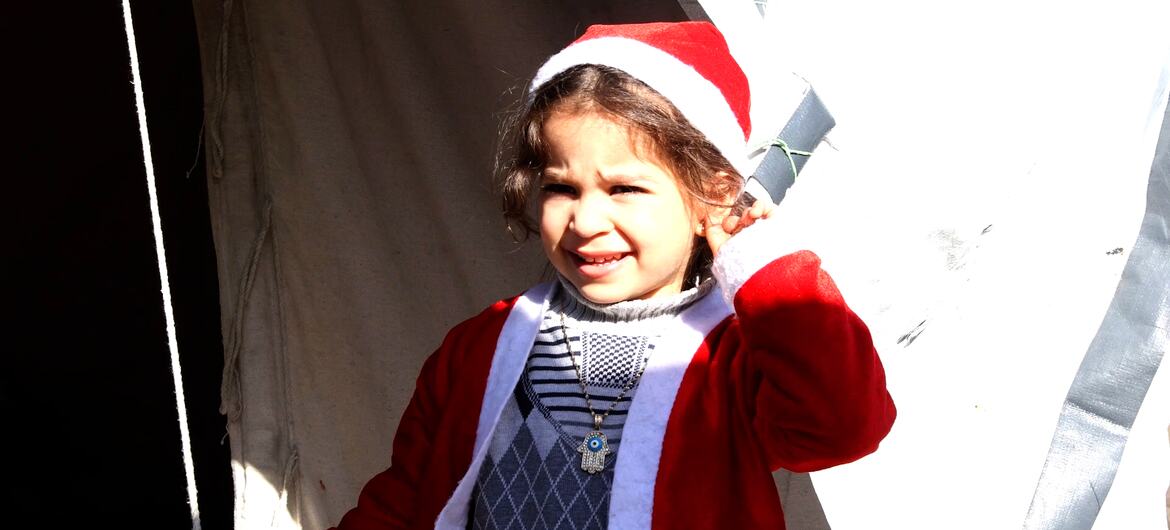
Gaza’s Displaced: A New Year Marked by Fragile Hope and Urgent Need (2024 Update)
The dawn of a new year brings little respite for hundreds of thousands of Palestinians currently displaced within Gaza. As 2024 begins, the reality for manny is life in makeshift shelters - tents pitched on barren ground or within the damaged shells of buildings – lacking consistent access to the most basic necessities: clean water, electricity, adequate healthcare, and sanitation. The ongoing humanitarian crisis, exacerbated by the recent conflict and harsh winter conditions, demands immediate and sustained international attention. This article provides a thorough overview of the situation, the challenges faced by displaced families, and the path forward for rebuilding lives and fostering lasting peace.
The Scale of Displacement: A Humanitarian Crisis Unfolding
The current displacement crisis in Gaza is one of the largest and most acute in recent history. estimates indicate that over 1.7 million peopel – roughly 75% of Gaza’s population – have been forced from their homes since October 2023. https://www.un.org/unispal/news/gaza-displacement-crisis-continues-as-winter-approaches This mass displacement has overwhelmed already strained infrastructure and humanitarian resources.
Winter rains have dramatically worsened conditions, flooding shelters, turning pathways into treacherous mud, and increasing the risk of waterborne diseases. The lack of adequate shelter and sanitation poses a significant threat to public health, notably for vulnerable populations like children, the elderly, and those with pre-existing medical conditions.
Voices from the Camps: Enduring Suffering and a Plea for Support
Amidst the devastation, a fragile hope for stability and a return to normalcy persists.Displaced families express a deep yearning for safety, security, and the prospect to rebuild their lives.
Umm Rabee’ Al-Malash, a displaced mother living in a tented camp, powerfully articulated the collective plea: “The Palestinian people must be supported, as they have endured immense suffering. Help us rebuild the Gaza Strip, bring about peace, and allow us to have a State where we can live in peace and security.” her words echo the sentiments of countless others who have lost everything and are desperately seeking a future free from conflict.
The Impact on Children: A Lost Generation at Risk
The long-term consequences of the conflict are particularly devastating for children. Schools across Gaza have suffered extensive damage or have been forced to close, disrupting the education of thousands. Months of missed learning have created a significant educational gap, potentially impacting an entire generation.
Wafaa Al-Khawaja, a mother of school-aged children, expressed her profound fears: “our children today have no education or anything else.” She describes a daily struggle focused solely on securing basic necessities - food, water, and warmth – leaving little room for hope or opportunity. The psychological trauma experienced by children witnessing violence and displacement will require long-term mental health support. https://www.savethechildren.org/us/where-we-work/gaza/
the Longing for Home: A Return to Lost lives
For many, the ultimate goal is a return to the lives they knew before the conflict. Kamal Abu Hsheish, originally from the Jabalia camp, embodies this longing: “My only wish is to return to the life I knew before the war.” However, the extent of the destruction means that simply returning home is not feasible for many. Rebuilding homes, infrastructure, and livelihoods will require a massive and sustained effort.
Challenges to Aid Delivery and the Path to Reconstruction
Aid agencies are facing significant challenges in delivering relief to those in need. Damaged infrastructure, restricted access, and the sheer scale of the humanitarian crisis are hindering efforts to provide essential assistance. the United Nations Relief and Works Agency for Palestine Refugees in the Near East (UNRWA) is playing a critical role in providing aid, but its operations are severely constrained. https://www.unrwa.org/
Reconstruction will be a monumental task, requiring sustained international commitment and a comprehensive plan for rebuilding Gaza’s economy and infrastructure. The fragile ceasefire established in early October, based on a 20-point plan, offers a glimmer of hope, but its long-term success depends on continued diplomatic efforts and a commitment to addressing the root causes of the conflict.[https://newsunorg/en/story/2025/1[https://newsunorg/en/story/2025/1[https://newsunorg/en/story/2025/1[https://newsunorg/en/story/2025/1
Worth a look