Gaza Ceasefire Brings hope Amidst Devastating Destruction: A path forward
A fragile ceasefire between israel and Hamas has brought a temporary halt to the intense fighting in Gaza, offering a critical window for aid delivery and a glimpse of hope to a population reeling from months of conflict. However, the path to lasting peace remains fraught wiht challenges, and the scale of devastation is immense. This article provides an in-depth look at the current situation, the challenges ahead, and what this ceasefire means for the future of Gaza and the region.
the Immediate Impact of the Truce
The four-day ceasefire, brokered with the assistance of Qatar, Egypt, and the United States, allows for the release of hostages held by hamas in exchange for Palestinian prisoners held by Israel. More importantly, it provides a desperately needed opportunity to deliver aid to Gaza City and surrounding areas.
* Famine Declared: The United Nations had already declared a famine in Gaza City prior to the offensive, highlighting the dire humanitarian crisis.
* Aid Delivery: Israel has granted approval for the delivery of 170,000 tonnes of aid during the initial 60 days of the truce. This includes essential supplies like medical equipment, medicine, food, water, fuel, and shelter.
* Doctors Without Borders (MSF) Assessment: Jacob Granger, Gaza coordinator for MSF, emphasizes the urgency: “The most basic necessities are still urgently needed…two million people will face the approaching winter without a roof over their heads.”
Returning to a City in Ruins
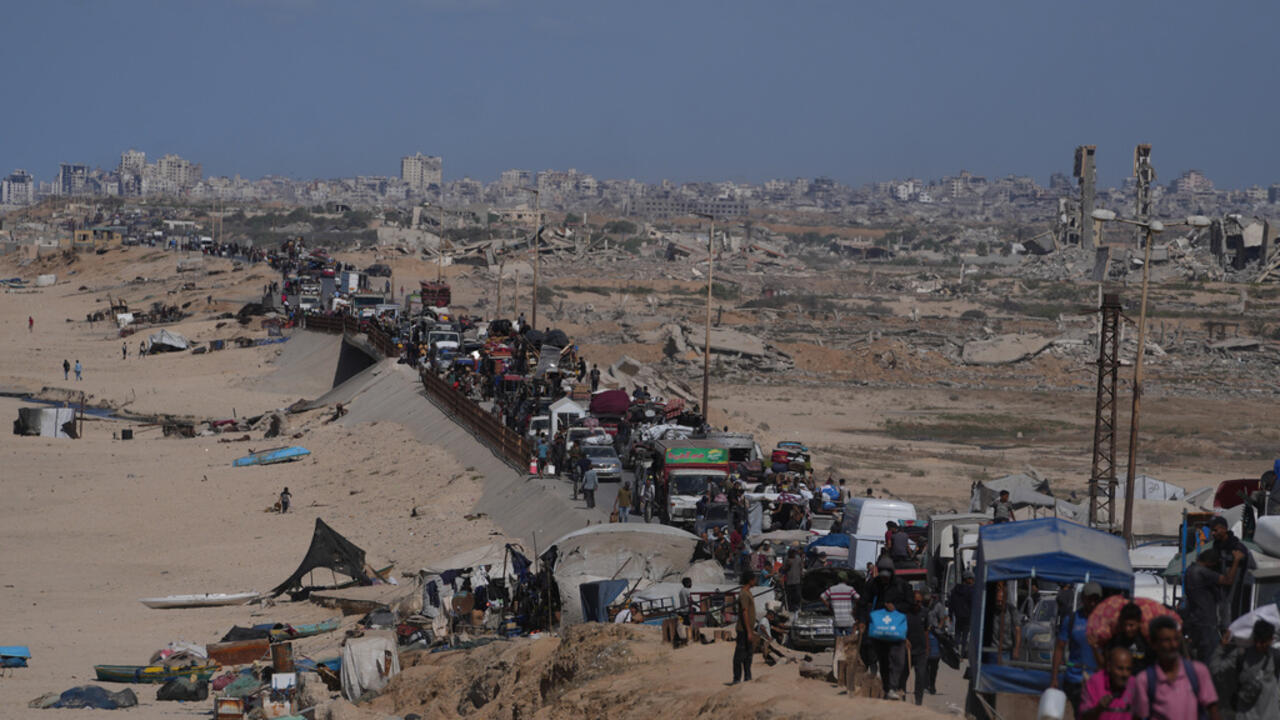
As the ceasefire took effect, residents began returning to Gaza City, only to find widespread destruction. The scenes are heartbreaking.
AFP footage from Al-Rantisi hospital, a children’s cancer facility, revealed wards reduced to rubble. saher Abu Al-Atta, a returning resident, simply stated, “the images speak louder than any words: destruction, destruction, and more destruction.”
Many described the city as a “ghost town,” with streets filled with debris and collapsed buildings. Sami Musa, 28, found his family home still standing, albeit damaged, but was deeply shaken by the overall devastation. “The smell of death still lingers in the air,” he reported, yet vowed to rebuild.
The Unresolved Issues & Future Governance
While the ceasefire is a welcome progress, it doesn’t address the fundamental issues driving the conflict. Several key aspects of the Trump administration’s proposed peace plan remain unresolved.
* Post-War Governance: Agreement on how Gaza will be governed after the conflict remains elusive.
* Hamas Disarmament: Hamas has signaled resistance to demands for its disarmament,a key sticking point in negotiations.
* International Stabilisation Force: Discussions are underway regarding the potential deployment of an international force to maintain stability, but details remain unclear. You can learn more about this plan here.
The Human Cost: A Staggering Toll
The conflict has had a devastating impact on civilian lives. As of the latest reports:
* Gaza Deaths: At least 67,682 people have been killed in Gaza, according to the Hamas-run health ministry. The UN considers these figures credible.
* Civilian Casualties: Over half of those killed are women and children, highlighting the disproportionate impact on the civilian population.
* October 7th Attack: The conflict was triggered by Hamas’s october 7, 2023 attack on israel, which resulted in the deaths of 1,219 people, mostly civilians.
These numbers represent not just statistics, but individual lives lost, families shattered, and a generation traumatized.
Is This Ceasefire a Path to Peace?
The current ceasefire is a crucial first step, but it’s not a guarantee of lasting peace. Whether this truce evolves into a more sustainable solution depends on several factors.
* Continued Negotiations: Meaningful negotiations addressing the core issues - governance, security, and the future of Hamas – are essential.
* Sustained Aid: