
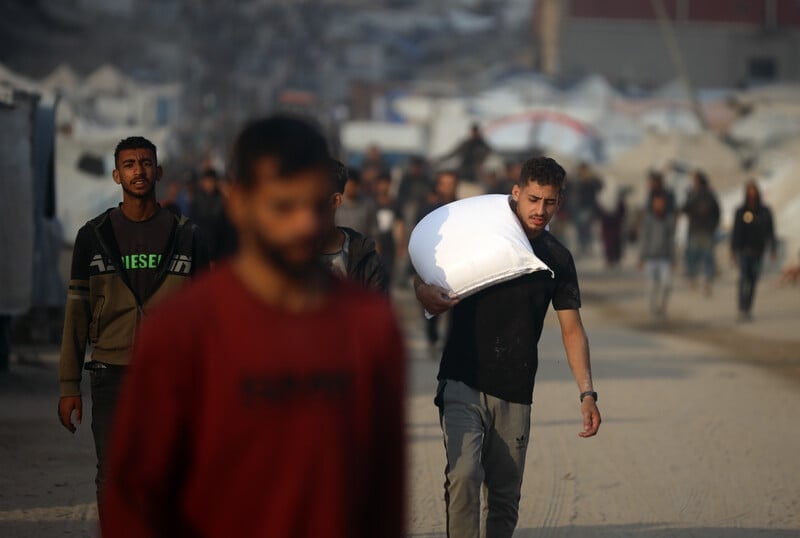
The ongoing humanitarian crisis in Gaza continues to draw global attention as the personal costs of the conflict mount for residents and local journalists alike. In a recent episode of the PalCast series, writer and journalist Khaled Al-Qershali provided a firsthand account of the realities of life under fire, detailing the transition from academic pursuits to frontline documentation amidst the current hostilities.
The discussion, hosted by Tony of The Tortoise Shack, highlights the daily struggle for survival for those living in Gaza City. Al-Qershali’s narrative serves as a window into the broader humanitarian situation, where the infrastructure of daily life has been significantly disrupted. The conversation underscored the persistent challenges faced by the civilian population, including restricted movement and the high cost of essential goods, even as discussions regarding potential ceasefires continue to circulate in international diplomatic circles.
The Reality of Frontline Reporting
For Al-Qershali, the shift in his life occurred following the events of October 7th. Having previously focused on academic research, he found himself documenting the conflict from the ground. His account includes experiences of displacement, having lived in a tent in Deir al-Balah before returning to the conditions in Gaza City. This trajectory reflects the experience of many in the region who have had to adapt to the risks of operating within an active war zone.
Al-Qershali described the environment as one defined by the constant presence of drone surveillance, alongside the immediate dangers of bombing and gunfire. His work has involved covering significant events, such as the incident commonly referred to as the Flour Massacre, emphasizing the profound psychological toll that continuous monitoring and the threat of violence have on those attempting to document the situation. The United Nations and other international bodies have frequently raised concerns regarding the protection of journalists and the impact of the conflict on the civilian population in Gaza, as detailed in reports from the UN Division for Palestinian Rights.
Humanitarian Obstacles and Relief Efforts
A central theme of the discussion was the persistent limitation on humanitarian aid. Despite the critical need for food, water, and medical supplies, access remains heavily constrained. Al-Qershali pointed to specific examples of obstructed relief, such as a mobile health unit reportedly pledged by Pope Francis, which has faced significant delays in entering the territory. According to the UN Office for the Coordination of Humanitarian Affairs (OCHA), the entry of essential goods into Gaza continues to be subject to complex administrative and security hurdles that hinder the delivery of aid to those in need.

The conversation highlighted that even when aid is authorized, the logistical environment—characterized by large areas under military control and the scarcity of basic resources—renders the distribution process extremely difficult. This situation persists despite international calls for greater humanitarian access and the protection of aid convoys, as documented in updates from the World Health Organization regarding the status of health facilities in the region.
Looking Toward the Future
Despite the severe circumstances, the episode concluded with an emphasis on the necessity of education, resilience, and maintaining global awareness. Al-Qershali expressed his personal ambition to continue his academic studies and expand his writing projects, viewing these efforts as a form of resistance against the erasure of the lived experience in Gaza.
The discussion serves as an urgent call for international audiences to remain engaged with the situation in the region. By sharing these stories, the participants hope to ensure that the humanitarian crisis does not fade from the global consciousness. The full conversation is currently available on major podcast platforms, including Apple and Spotify, for those seeking to understand the human dimension of the conflict through the perspective of those living through it.
Key Takeaways
- Journalistic Risk: Reporting in Gaza involves navigating constant surveillance and the physical dangers of an active conflict zone.
- Humanitarian Constraints: Basic relief, including medical equipment, faces significant systemic obstacles to entry and distribution.
- Daily Life: The civilian population continues to experience severe limitations on movement and access to essential goods.
- Resilience: There remains a strong commitment to education and documentation as a means of preserving the narrative of the ongoing crisis.
As of late May 2026, the humanitarian situation in Gaza remains fluid, with international aid organizations continuing to monitor the status of crossings and the delivery of essential relief. We invite our readers to share their thoughts in the comments section below and to continue following our coverage for further updates on the geopolitical and humanitarian developments in the region.
