
The European automotive landscape is currently witnessing a seismic shift as Chinese manufacturers accelerate their westward expansion, bringing a new wave of electrification and competitive pricing to the continent. Among the most ambitious of these players is Geely, a global automotive powerhouse that is now setting its sights on the Iberian Peninsula. The strategic entry of the brand into Portugal represents more than just the addition of a new manufacturer to the local market; it is a calculated move to disrupt the existing electric vehicle (EV) hierarchy.
Central to this expansion is the upcoming arrival of the Geely E2 Portugal launch, a vehicle positioned as a catalyst for the democratization of electric mobility. By introducing a compact electric model that has already seen significant success in global markets, Geely is targeting the “missing middle” of the EV market—consumers who desire the sustainability of an electric drivetrain but are deterred by the premium price tags of established European luxury brands.
As a financial journalist who has spent nearly two decades analyzing global market shifts and economic policy, I view Geely’s move into Portugal as a bellwether for the broader European trend. The company is not merely exporting cars; it is exporting a vertically integrated ecosystem of technology and manufacturing efficiency. This approach is designed to undercut traditional costs while offering a level of smart-connectivity that often lags in legacy European models.
The timeline for this rollout is precise. While the brand is establishing its footprint now, the highly anticipated Geely E2 is scheduled to hit Portuguese roads in 2027. This phased approach allows the company to build brand equity and infrastructure before releasing its most competitive volume-seller into the market.
The Geely E2: A Strategic Entry for 2027
The Geely E2 is not an experimental prototype but a proven commodity. Marketed as one of the most successful compact electric vehicles globally, the E2 is designed for the urban environment—where agility, ease of parking, and energy efficiency are paramount. Its arrival in Portugal in 2027 is intended to provide a viable alternative for city dwellers and first-time EV buyers who require a reliable, compact footprint without sacrificing modern technological amenities.
From an economic perspective, the E2 serves as a “wedge product.” In market entry strategy, a wedge product is a high-value, accessible offering used to gain an initial foothold in a new territory. By focusing on the compact segment, Geely can capture a wide demographic of users, creating a customer base that may eventually migrate toward the brand’s more expensive SUV and luxury offerings.
The vehicle’s value proposition centers on “democratizing” the market. For too long, the transition to electric mobility in Europe has been skewed toward the affluent. The introduction of a globally successful compact model suggests a shift toward mass-market adoption, where the primary barrier—upfront cost—is significantly lowered. This alignment with the broader European goal of reducing carbon emissions makes the E2 a timely addition to the Portuguese fleet.
Beyond the Compact: SUVs and the European Roadmap
While the E2 captures the headlines for its 2027 debut, Geely’s entry into Portugal is not a single-model event. The company is implementing a multi-pronged product strategy that begins with electrified SUVs, which currently dominate consumer preferences across Europe. Specifically, the brand is introducing the Geely E5 and the Starray EM-i to the Portuguese market.
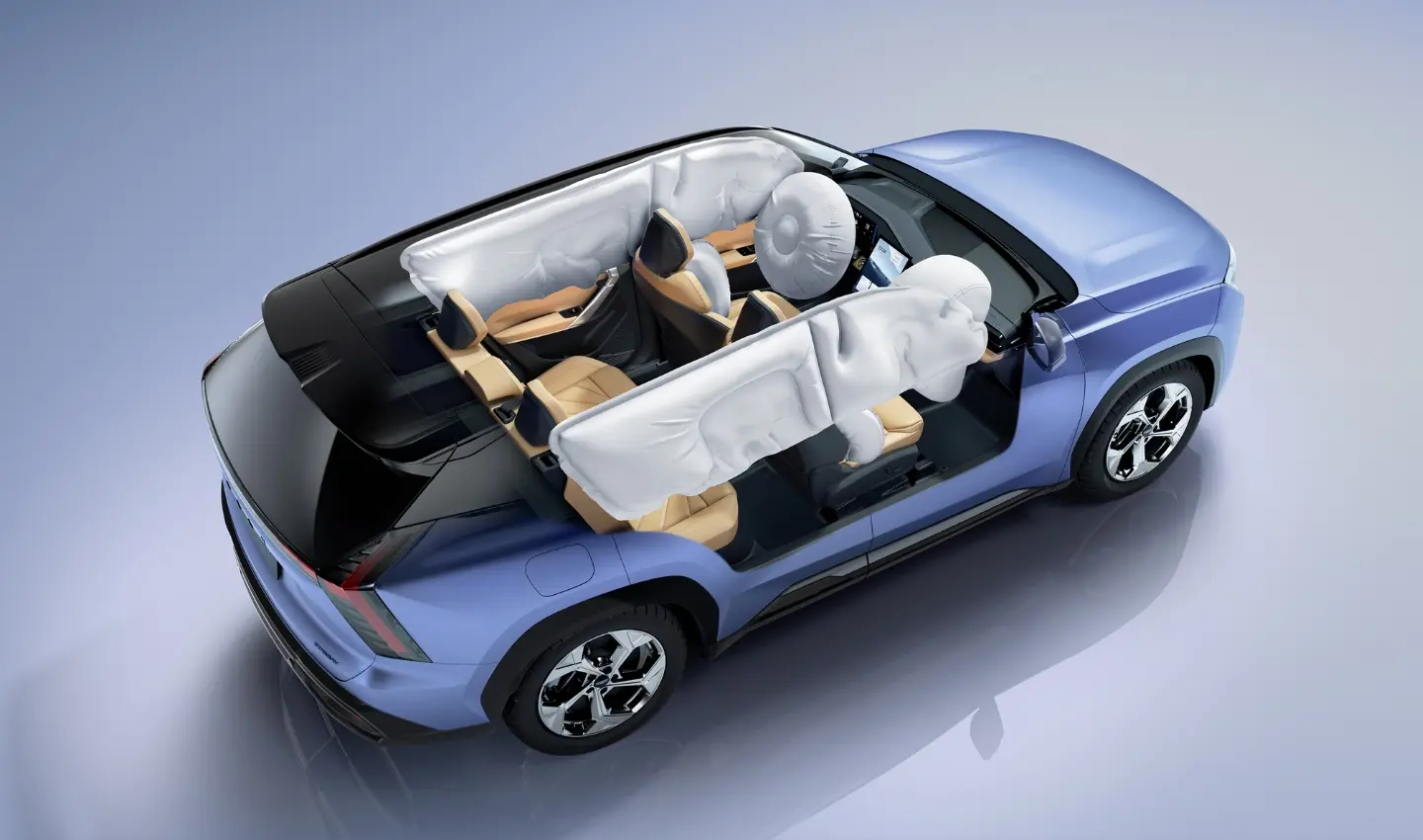
The Geely E5 represents the brand’s push into the mid-size electric SUV segment, offering a balance of interior space and range that appeals to families and professionals. Meanwhile, the Starray EM-i highlights Geely’s versatility in powertrain options, utilizing electrified technology to bridge the gap for those not yet ready to commit to a full battery-electric vehicle (BEV). This diversified portfolio ensures that Geely is not overly reliant on a single segment, mitigating the risk of shifting consumer tastes.
This strategy mirrors the broader corporate philosophy of the Geely Auto official vision, which emphasizes a mobility experience that is “more intelligent, safe, and close to everyone.” By launching SUVs first, Geely generates the necessary cash flow and brand recognition to support the later launch of the more niche, high-volume compacts like the E2.
The 5% Ambition: Analyzing Geely’s European Expansion
To understand the significance of the Portuguese launch, one must look at the overarching corporate goal: Geely aims to capture a 5% share of the European market by the end of the decade. In the world of automotive manufacturing, a 5% market share is a formidable target, requiring not just great cars, but an extensive network of dealerships, service centers, and a robust supply chain.
Achieving this target by 2030 requires aggressive growth in several key European markets. Portugal, with its increasing openness to sustainable mobility and its strategic position as a gateway to the Iberian market, is a critical piece of this puzzle. The 5% target is a signal to competitors that Geely is no longer content with being a behind-the-scenes holding company—which owns significant stakes in brands like Volvo and Polestar—but intends to compete directly under its own name.
This ambition is backed by an immense R&D budget and a manufacturing scale that few European firms can match. By leveraging shared platforms across its various brands, Geely can reduce the cost of developing new models for the European market, allowing them to price the E2 and E5 more aggressively than local competitors who must bear the full cost of platform development alone.
Impact on the Portuguese Mobility Landscape
The entry of Geely is likely to trigger a ripple effect across the Portuguese automotive sector. When a high-volume, low-cost competitor enters the market, it typically forces legacy manufacturers to either lower their prices or increase the value proposition of their own entry-level EVs. This competition is ultimately a win for the Portuguese consumer, as it accelerates the availability of affordable green technology.
the arrival of these vehicles will place additional pressure on Portugal’s charging infrastructure. While the country has made strides in expanding its network, the influx of mass-market EVs—rather than just luxury ones—will require a more distributed and accessible charging grid, particularly in urban centers where the Geely E2 will be most prevalent.
From a policy standpoint, Geely’s expansion aligns with the European Union’s broader mandates to phase out internal combustion engines. However, it similarly places Geely at the center of the ongoing geopolitical tension regarding Chinese EV imports and potential tariffs. The company’s ability to navigate these regulatory waters will determine whether the 2027 launch of the E2 proceeds as planned or faces headwinds from trade protections.
Key Takeaways: Geely’s Portuguese Strategy
- The Anchor Model: The Geely E2, a globally successful compact electric, is slated for a 2027 launch in Portugal.
- Initial Wave: The market entry begins with electrified SUVs, including the Geely E5 and Starray EM-i.
- Market Goal: Geely is targeting a 5% share of the total European automotive market by 2030.
- Consumer Impact: The focus is on “democratizing” EVs by offering high-tech, affordable alternatives to premium European brands.
- Corporate Synergy: Geely leverages its global manufacturing scale and ownership of other brands to optimize costs and technology.
What Happens Next?
As Geely continues to build its operational presence in Portugal, the industry will be watching for the establishment of its official dealership and service network. The success of the 2027 E2 launch depends heavily on the “after-sales” experience—the ability of the brand to provide seamless maintenance and battery support to a mass-market audience.
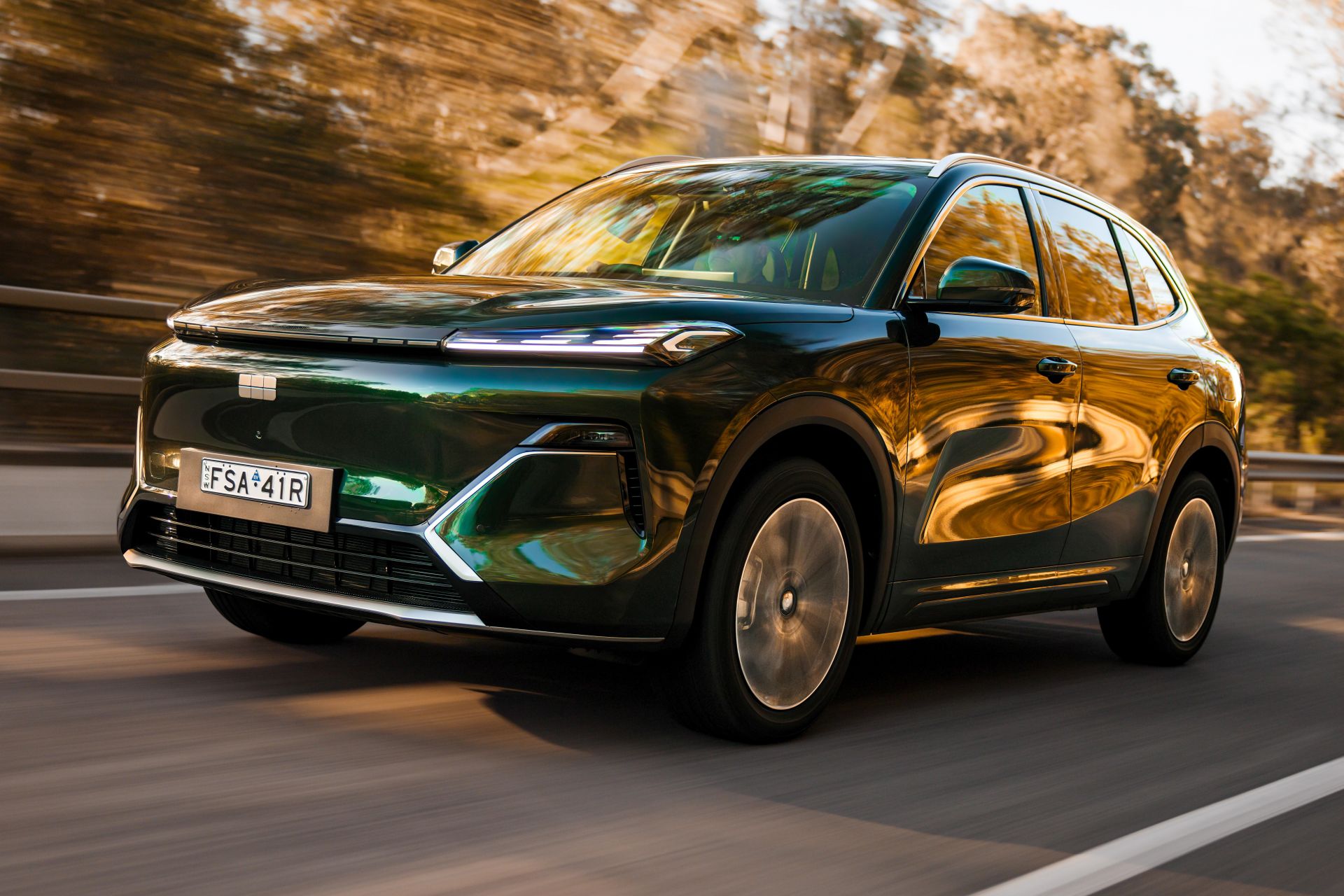
The next critical checkpoint for the brand will be the official pricing announcement and the first public showcases of the E5 and Starray EM-i in the Portuguese market. These initial launches will serve as the litmus test for consumer appetite and will provide the data Geely needs to fine-tune the E2’s positioning for its 2027 debut.
We invite our readers to share their thoughts: Do you believe the entry of affordable Chinese EVs will accelerate the transition to green energy in Portugal, or do you have concerns about the shift away from European manufacturers? Let us know in the comments below.
Related reading