
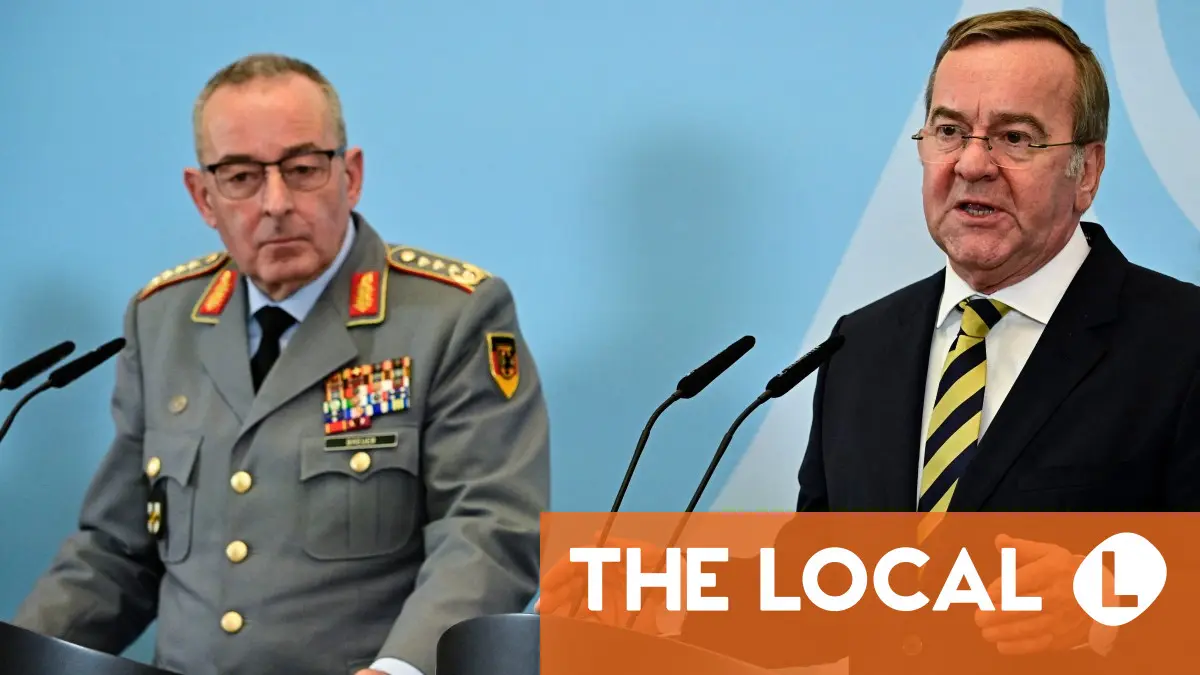
The German government has responded with measured pragmatism to the United States’ decision to reduce its military footprint in Europe, describing the move as a foreseeable development. On Saturday, May 2, 2026, Germany’s defense minister stated that the withdrawal of American troops was expected, signaling a shift toward greater European strategic autonomy amid escalating diplomatic tensions between Washington and Berlin.
The announcement follows a directive from the U.S. Department of Defense to withdraw approximately 5,000 troops from Germany over the next six to 12 months. This drawdown is widely viewed as a consequence of a deepening dispute between U.S. President Donald Trump and German Chancellor Friedrich Merz, specifically regarding the ongoing U.S. Conflict with Iran. The move marks a significant escalation in the current administration’s efforts to scale back American security commitments to its European allies.
While the immediate reduction focuses on a specific number of personnel, the geopolitical implications are broader. The U.S. Maintains a substantial military presence in Germany, with more than 36,000 active duty troops assigned to bases across the country as of December 2025, according to reporting by the BBC. The planned exit of 5,000 soldiers, which reportedly includes one brigade combat team, represents a targeted but symbolic reduction in the transatlantic security architecture.
Defense Minister Pistorius Calls for ‘European Pillar’ Strength
German Defense Minister Boris Pistorius has used the announcement to advocate for a more robust European defense capability. Speaking to the DPA news agency, Pistorius described the U.S. Decision to withdraw 5,000 troops as foreseeable
. He emphasized that while the presence of American soldiers remains in the mutual interest of both nations, Europe must now accelerate its own security preparations.
“It was anticipated that the U.S. Might withdraw troops from Europe, including Germany. One thing is clear: If we are to remain transatlantic, we must strengthen the European pillar within NATO.” Boris Pistorius, German Defense Minister
Pistorius further asserted that Europe must take on more responsibility for our own security
, according to Politico. This rhetoric aligns with a broader trend among EU member states to increase defense budgets and reduce reliance on U.S. Logistics and personnel, a process that has accelerated since the onset of recent global instabilities.
Diplomatic Friction: The Trump-Merz Dispute
The troop withdrawal is not merely a strategic realignment but is tied to a volatile diplomatic spat. Tensions peaked after Chancellor Friedrich Merz suggested that the United States had been humiliated
by Iranian negotiators during discussions surrounding the war with Iran. President Trump responded sharply to these criticisms, leading to the Pentagon’s order to reduce troop levels.
The friction does not appear to be limited to the initial 5,000-troop cut. On Saturday, President Trump indicated that the U.S. Would reduce its troop presence in Germany a lot further
than the initial drawdown, as reported by AP News. This suggests that the current withdrawal may be the first phase of a larger strategic exit or a pressure tactic to compel Germany and other NATO allies to increase their financial contributions to regional defense.
Key Details of the Troop Withdrawal
| Detail | Status/Quantity |
|---|---|
| Number of troops to be withdrawn | Approximately 5,000 |
| Expected timeline for completion | 6 to 12 months |
| Total U.S. Active duty troops (Dec 2025) | More than 36,000 |
| Key units affected | Includes one brigade combat team |
| Primary catalyst | Diplomatic dispute over Iran conflict |
NATO’s Response and the Path Forward
The North Atlantic Treaty Organization (NATO) is currently in the process of assessing the impact of the drawdown. NATO spokesperson Allison Hart stated on Saturday that the alliance is working with the US to understand the details of their decision
, according to Al Jazeera. The alliance is seeking clarification on how the reduction will affect collective defense capabilities and the operational readiness of bases within Germany.
The withdrawal puts immediate pressure on the Bundeswehr, Germany’s armed forces, to fill the operational gaps. The “European pillar” mentioned by Pistorius refers to the goal of creating a self-sufficient defense capability within NATO that can operate effectively even if U.S. Support fluctuates. This involves not only increasing troop numbers but also enhancing intelligence sharing, logistics and joint command structures among European allies.
Analysts suggest that the U.S. Move may force a faster integration of European defense forces, potentially leading to a more unified EU military strategy. Yet, the immediate effect is a period of uncertainty for the thousands of personnel and dependents based at U.S. Installations in Germany, who now face a timeline of six to 12 months for relocation.
The next critical checkpoint will be the upcoming NATO briefings and the continued dialogue between the White House and the German Chancellery to determine if further reductions are imminent. As the U.S. Continues its review of the military mission in Europe, Berlin’s ability to maintain a stable partnership with Washington while building its own defense autonomy will be the defining challenge for the Merz administration.
World Today Journal encourages readers to share their perspectives on European strategic autonomy in the comments below.