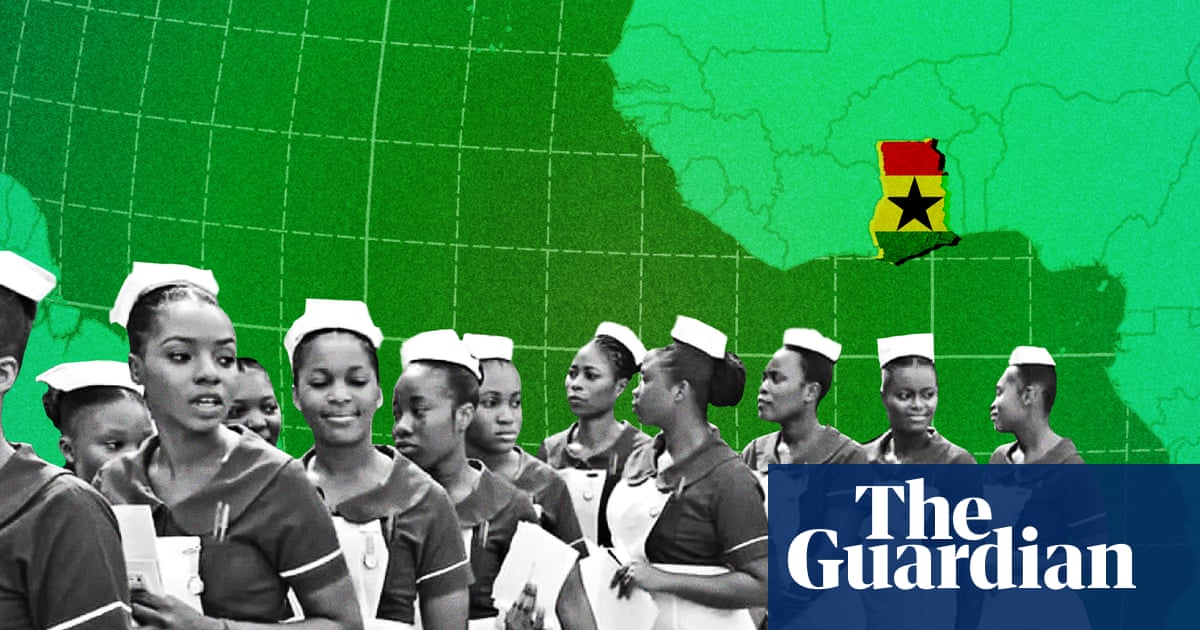
The Silent Crisis: why Africa is Losing its Healthcare Heroes
Africa faces a growing and deeply concerning challenge: a relentless exodus of its skilled doctors and nurses.This “brain drain” isn’t just a statistic; it’s a threat to the health and well-being of communities across the continent. You might be wondering why this is happening, and what it means for the future of healthcare in Africa. Let’s delve into the complexities of this critical issue.
The Pull Factors: Why Healthcare Workers Leave
Several factors are driving this alarming trend. Primarily, better opportunities abroad – higher salaries, improved working conditions, and advanced career prospects – are proving irresistible. Consider this:
* Financial Incentives: Healthcare professionals in many African nations earn substantially less than their counterparts in developed countries.
* Resource Limitations: Many hospitals and clinics lack essential equipment, medications, and even basic infrastructure.
* Professional Development: Opportunities for specialized training and continuing education are often limited.
* Security Concerns: Political instability and safety risks in some regions contribute to the desire to relocate.
The Impact on the Ground: A System Under Strain
The consequences of this brain drain are devastating. Healthcare systems already struggling with limited resources are pushed to the brink. Imagine a scenario where experienced professionals are replaced by newly qualified staff, lacking the mentorship and support they desperately need.
this is precisely what’s happening in countries like Ghana. new nurses, like the young woman we’ll call Abena, are entering the profession facing overwhelming workloads and a severe lack of guidance.Abena shares that on her ward, just two nurses often care for 30 patients, supplemented by student nurses and a few service personnel.
It’s a stressful environment, to say the least. Abena is fortunate to have an experienced aunt in the profession to turn to for advice, but many new recruits aren’t so lucky. They’re forced to learn on the job, navigating complex procedures without the benefit of seasoned expertise.
A Vicious Cycle: Recruitment Agreements and Further Loss
Ironically, some African nations are now actively participating in the outflow of healthcare workers. Ghana, for example, has signed agreements to send nurses to countries like Jamaica and Grenada, with other nations expressing similar interest. While these agreements may offer short-term economic benefits, they exacerbate the long-term problem.
You might ask, isn’t it a good thing for nurses to have opportunities? Absolutely. But when entire nations systematically export their healthcare workforce, it creates a perilous cycle of depletion. It raises a critical question: how can these countries build enduring healthcare systems when their most valuable asset – their people – are leaving?
The Future Outlook: A Call for Systemic Change
The situation demands urgent and complete action. Simply increasing salaries isn’t enough. A multi-faceted approach is needed, focusing on:
* Investing in Infrastructure: Modernizing hospitals and clinics with essential equipment and resources.
* Prioritizing Education: Expanding access to specialized training and continuing education opportunities.
* Improving Working Conditions: Creating a supportive and safe work environment for healthcare professionals.
* Strengthening Healthcare Systems: Developing robust and resilient healthcare systems capable of meeting the needs of the population.
* Promoting Domestic Opportunities: Creating incentives for healthcare workers to stay and contribute to their home countries.
For young professionals like Abena, the future remains uncertain. She hopes to either leave the country within five years or establish a side business to supplement her income. Her story is a stark reminder of the challenges facing a generation of healthcare workers in Africa.
Ultimately, addressing this crisis requires a collective commitment from governments, international organizations, and the healthcare community. The health and future of Africa depend on it.
Related reading