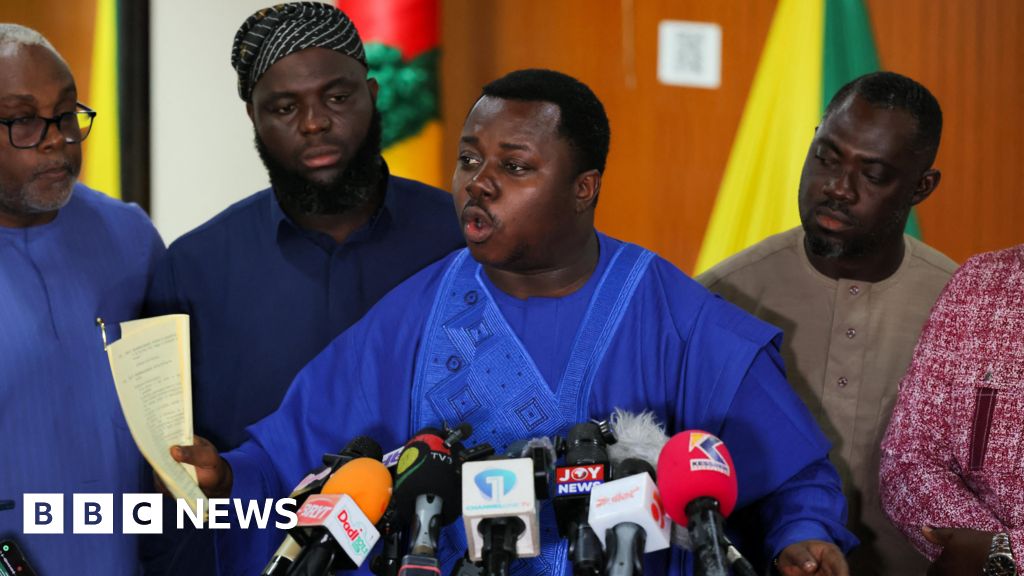
The landscape of human rights and legislative policy in West Africa has shifted following a significant development in Accra. Ghana’s parliament has passed the “Human Sexual Rights and Family Values Bill,” a piece of legislation that imposes severe restrictions on the LGBTQ+ community and introduces criminal penalties for both individuals and organizations associated with the community. As we examine the implications of this law, it is essential to look at the intersection of legislative power, constitutional protections, and the evolving discourse on social policy in the region.
The passage of this bill, which took place in February 2024, marks a contentious moment in Ghana’s political history, drawing both domestic support from religious and traditional leaders and intense scrutiny from the international community. The legislation seeks to criminalize same-sex relations and targets those who identify as gay, lesbian, or transgender, as well as advocates and allies who support these groups. For a nation often cited as a bastion of democracy in Africa, the move presents a complex set of challenges regarding the protection of minority rights and the preservation of international diplomatic relations, as reported by Reuters.
Understanding the Legislative Framework
The “Human Sexual Rights and Family Values Bill” is not merely a single-issue law; it is a comprehensive, albeit controversial, legal framework designed to enforce specific social values. According to the Parliament of Ghana, the bill aims to prohibit same-sex sexual acts and criminalize the promotion, advocacy, and funding of LGBTQ+ activities. Under the current provisions of the bill, individuals found guilty of engaging in same-sex sexual activity could face significant prison sentences. The legislation also extends its reach to those who provide support or publicize LGBTQ+ content, further complicating the operational environment for human rights organizations within the country.

The legislative process leading to the final vote was marked by extensive debate among lawmakers, civil society groups, and religious organizations. Proponents of the bill have argued that it is a necessary measure to protect traditional family values and cultural identity. Conversely, human rights activists and legal experts have raised concerns that the bill infringes upon fundamental freedoms guaranteed under the 1992 Constitution of Ghana, specifically those related to privacy, freedom of speech, and association. The tension between these two perspectives has defined the political discourse in Accra for several months, reflecting a broader struggle over the interpretation of human rights in a rapidly changing global landscape.
Key Provisions and Penalties
The bill introduces a series of legal consequences for those deemed to be in violation of its terms. Specifically, the legislation mandates jail terms for anyone who participates in, promotes, or funds LGBTQ+ activities. Legal scholars have noted that the broad language used in the bill could potentially lead to a wide interpretation of what constitutes an “offense,” thereby increasing the risk for individuals, activists, and even international aid workers operating within the country. The United Nations Office of the High Commissioner for Human Rights (OHCHR) has expressed deep concern, stating that the bill risks violating international human rights standards to which Ghana is a signatory.

Global Reactions and Diplomatic Implications
The international reaction to the bill’s passage has been swift. Several Western governments and international organizations have called upon the Ghanaian government to reconsider the legislation. The primary concern is that the law could undermine the country’s progress on human rights and potentially strain relations with key development partners. In a statement released shortly after the parliamentary vote, the U.S. Department of State emphasized that the bill, if enacted into law, would threaten the human rights and fundamental freedoms of the Ghanaian people and could have significant repercussions for the country’s international partnerships.
The diplomatic challenge for Ghana is to balance its domestic political priorities with its international standing. As a nation that has historically participated in global human rights forums, the decision to proceed with such restrictive legislation places it in a hard position. The debate is not limited to the borders of Ghana; it is part of a larger, global conversation about the universality of human rights versus national sovereignty. Observers in the international community are closely watching to see how the executive branch, led by President Nana Akufo-Addo, handles the final enactment of the bill, as he has previously indicated that he would await a judicial review before signing it into law.
The Role of the Judiciary
The future of the bill now rests, in part, with the judiciary. Several legal challenges have been filed at the Supreme Court of Ghana, questioning the constitutionality of the bill. These petitions argue that the legislation contradicts the fundamental rights protected by the national constitution. The Supreme Court’s deliberations are expected to be a pivotal factor in determining whether the bill becomes enforceable law or is struck down. This process highlights the importance of an independent judiciary in maintaining the balance of power and ensuring that legislative actions align with constitutional mandates.
Looking Ahead: The Path to Resolution
As we monitor this situation from my office here in Sofia, it remains clear that the debate over the Human Sexual Rights and Family Values Bill is far from over. The next major checkpoint will be the Supreme Court’s ruling on the constitutionality of the legislation. This decision will not only impact the individuals directly affected by the bill but will also set a significant precedent for the future of civil liberties in Ghana. For those following this story, it is crucial to rely on official court filings and verified statements from the judiciary to understand the evolving legal status of the bill.
The complexities of this situation remind us of the necessity for balanced, informed reporting. At World Today Journal, we are committed to providing you with the most accurate and up-to-date information as this story develops. We encourage our readers to engage with the facts, consider the various perspectives involved, and stay informed through reliable, verified sources. The protection of human rights is a universal endeavor, and the resolution of this matter in Ghana will undoubtedly serve as a landmark case in the ongoing global dialogue on equality, sovereignty, and the rule of law.
What are your thoughts on how international law interacts with national legislative sovereignty? We invite you to share your perspectives in the comments below as we continue to track this developing story.
Related reading