
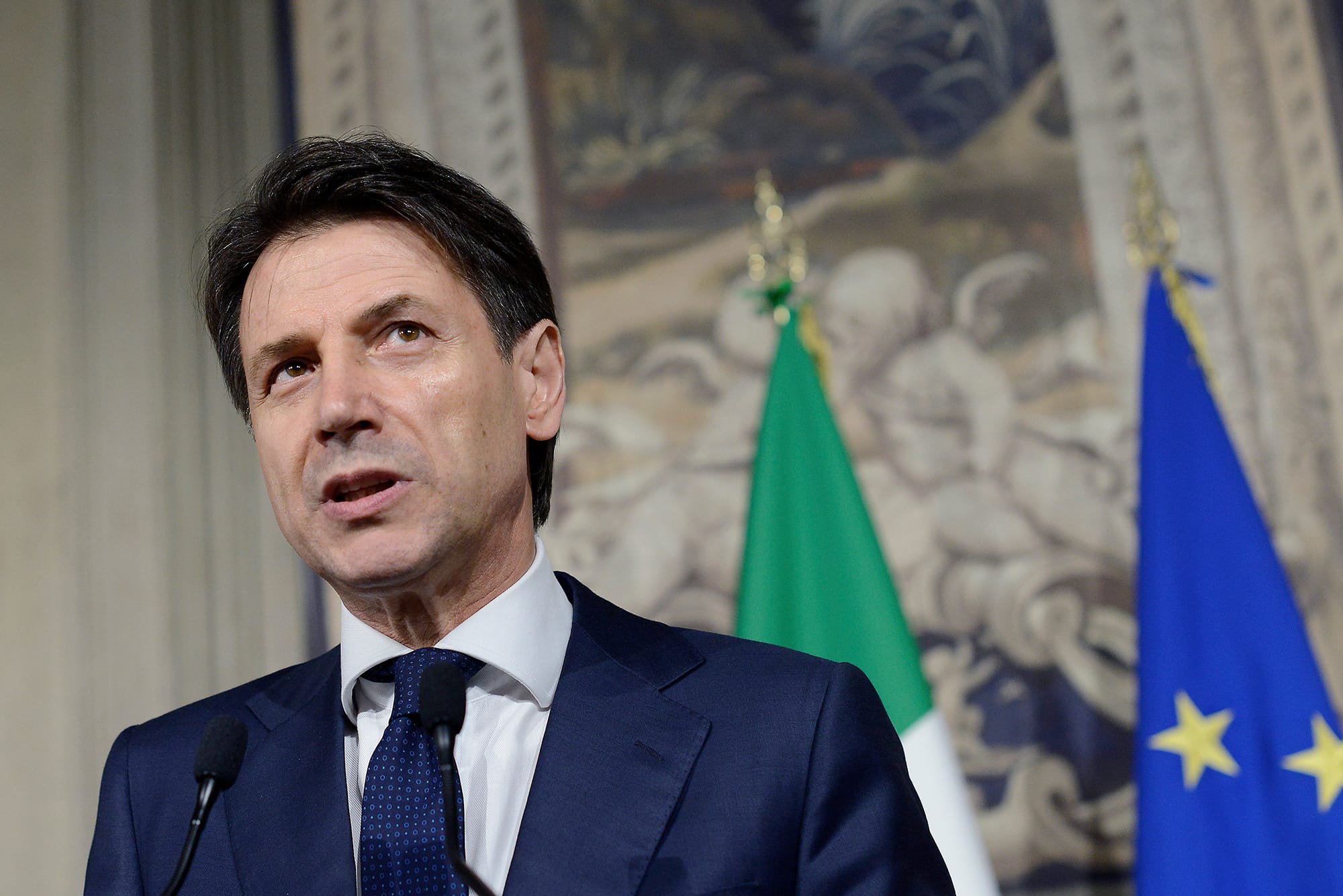
The Italian political landscape remains a subject of intense scrutiny as commentators and analysts debate the strategic direction of the Democratic Party (PD) and its leadership under Elly Schlein. Among the voices weighing in on the future of the center-left coalition is Paolo Mieli, a prominent Italian journalist and historian, who recently offered a provocative perspective on the potential for political synergy between the PD and the Five Star Movement (M5S), led by former Prime Minister Giuseppe Conte.
Mieli’s commentary, delivered during a recent appearance on the talk show L’Aria che tira, centered on the idea that the Democratic Party might benefit from a strategic repositioning regarding the premiership. By suggesting that the PD could consider supporting Giuseppe Conte for the role of Prime Minister in a future coalition, Mieli sparked a broader discussion about the necessity of pragmatism in Italian governance. The debate highlights the ongoing search for a unified opposition capable of challenging the current government structure.
The Evolution of Giuseppe Conte’s Political Career
Giuseppe Conte’s ascent to the highest office in Italy was, by many accounts, an unconventional path. A law professor by trade, he was thrust into the spotlight in June 2018 when he was selected to lead a coalition government formed by the Five Star Movement and the Lega party. At the time, his appointment was widely viewed as a compromise between two political forces that struggled to reach an agreement on a candidate from within their own ranks. His initial role was characterized by many as that of a technocratic mediator tasked with overseeing a complex governmental program, as noted in reporting by CNBC.


Conte’s tenure was far from static. Following the collapse of the initial coalition in 2019—a development triggered by a motion of no confidence filed by Matteo Salvini—the political landscape shifted dramatically. Rather than exiting the stage, Conte returned to lead a new government, this time supported by an alliance between the Five Star Movement and the Democratic Party. This transition was significant, as it marked a departure from the previous administration’s more hardline, euroskeptic positioning, offering a different direction for Italy’s European policy and domestic agenda.
Strategic Alliances and the Future of the Opposition
The suggestion that Elly Schlein, who assumed leadership of the Democratic Party in 2023, might look to Conte as a potential head of government reflects the complex arithmetic of Italian electoral politics. Since the 2022 general election, which saw the formation of a right-wing government led by Giorgia Meloni, the center-left has faced the challenge of building a coherent alternative. The relationship between the PD and the M5S has been described as an “unlikely alliance” in historical contexts, yet one that remains a central pillar of speculative political strategy today.
For the Democratic Party, the core question remains whether a shared leadership platform could overcome the ideological differences that have historically separated the two camps. Supporters of such an approach argue that pooling resources and messaging could provide a more formidable opposition to the current ruling coalition. Conversely, critics within the PD have often expressed concerns that aligning too closely with the Five Star Movement could dilute the party’s identity or alienate moderate voters who remain wary of the M5S’s populist origins.
The Role of Political Commentary in Italy
Paolo Mieli’s intervention serves as a reminder of the influential role that media figures and public intellectuals play in shaping political discourse in Italy. By framing the leadership question in terms of tactical advantage—suggesting that the PD could focus its efforts on a broader coalition rather than insisting on a candidate from its own ranks—Mieli taps into a long-standing tradition of political maneuvering in Rome. His analysis invites the audience to consider whether the “accidental” nature of Conte’s entry into politics has, in fact, given him a unique resilience that established party politicians might lack.
As the Italian government continues to navigate domestic and international challenges, including economic policy and European integration, the debate over leadership and coalition-building will undoubtedly persist. For observers of Italian politics, the interplay between the Democratic Party and the Five Star Movement remains the most critical variable in determining the future of the opposition. Whether or not Schlein chooses to heed the kind of advice offered by Mieli, the conversation itself underscores the pressure on the left to find a winning formula in a highly fragmented political environment.
Key Takeaways for the Future
- The ongoing search for a unified opposition strategy remains a top priority for both the Democratic Party and the Five Star Movement.
- Giuseppe Conte’s history as a consensus-based leader continues to be a point of reference for those seeking to bridge divides between disparate political parties.
- Political analysts are increasingly focused on how the Democratic Party under Elly Schlein will reconcile its desire for autonomy with the potential benefits of formal coalition-building.
- Future developments in this arena will likely hinge on upcoming regional elections and the ability of the opposition to present a cohesive legislative agenda to the public.
We invite our readers to follow our ongoing coverage as we track the developments in the Italian parliament and the strategic shifts within the major parties. How do you see the future of the center-left coalition in Italy? Join the conversation by sharing your thoughts in the comments section below.