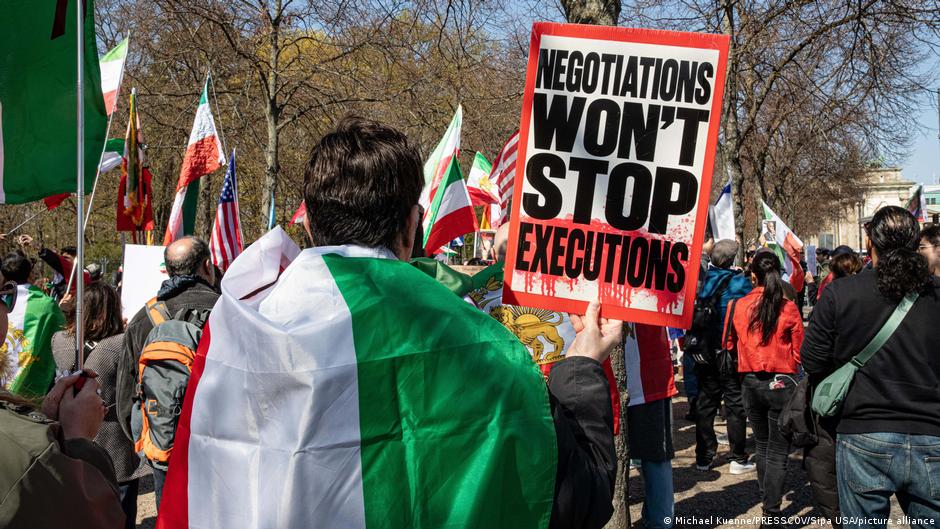
Global executions surged to their highest level in nearly five decades, with at least 2,707 people put to death in 2025 according to new data from Amnesty International. The human rights organization warned that the true figure is likely far higher, as many countries continue to conceal their execution practices from international scrutiny. This marks the first time since the early 1980s that the annual death toll has reached such a staggering level, raising urgent questions about the resurgence of capital punishment as a tool of state repression.
The report, released today, highlights a troubling trend of governments using executions as a political tool to project strength and suppress dissent. Amnesty International’s research indicates that some nations have intensified their use of the death penalty in response to internal conflicts, terrorism concerns, or to silence critics. Despite international human rights law prohibiting arbitrary executions and requiring due process protections, many states have ignored these safeguards, often executing prisoners without proper legal review or fair trials.
While the overall numbers paint a grim picture, the organization noted that some countries have taken steps to reduce executions or abolish the practice entirely. These developments offer a glimmer of hope amid the global crisis, though they remain exceptions in an otherwise bleak landscape.
Executions Reach Highest Level Since 1981
The 2,707 executions documented in 2025 represent a significant increase from previous years, though exact year-to-year comparisons remain difficult due to inconsistent reporting. Amnesty International’s data shows that the majority of executions occurred in just a handful of countries, with Iran, Saudi Arabia, Egypt, and Iraq accounting for a disproportionate share of the global total. These nations have long been criticized for their use of the death penalty, but the recent surge suggests an alarming escalation in state-sanctioned killings.
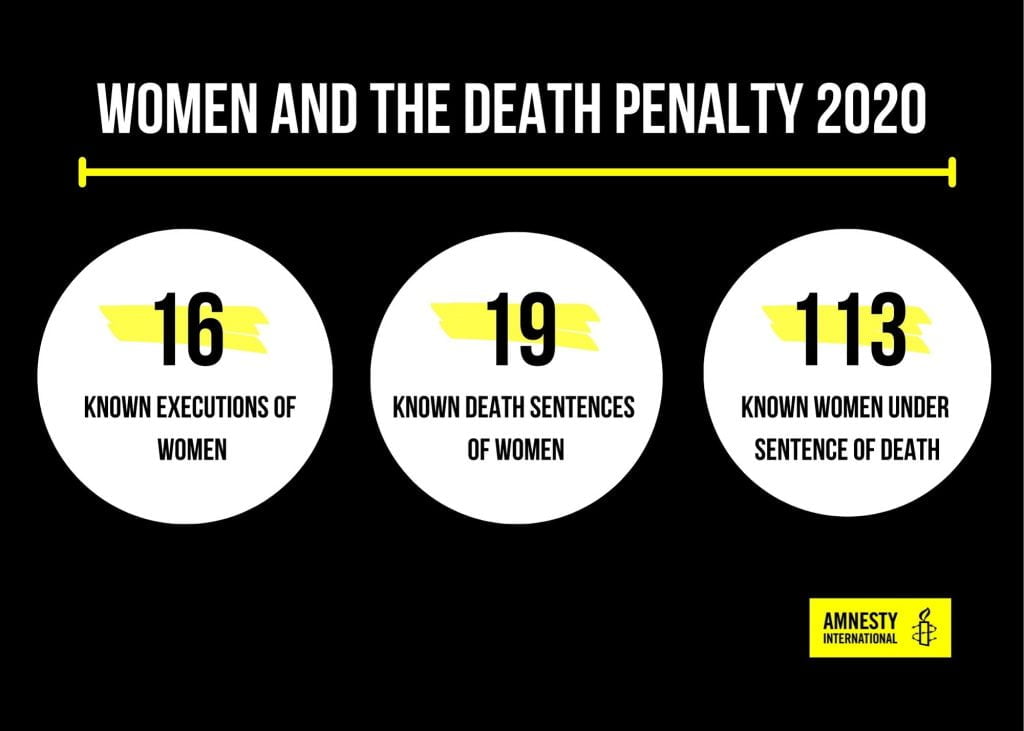
In Iran, for example, executions have risen sharply in recent years, often targeting individuals accused of drug-related offenses or political dissent. The country’s judicial system has faced widespread condemnation for its lack of transparency and due process. Meanwhile, Saudi Arabia continues to execute prisoners for crimes including murder, terrorism, and drug trafficking, though the exact number of executions remains classified as state secret.
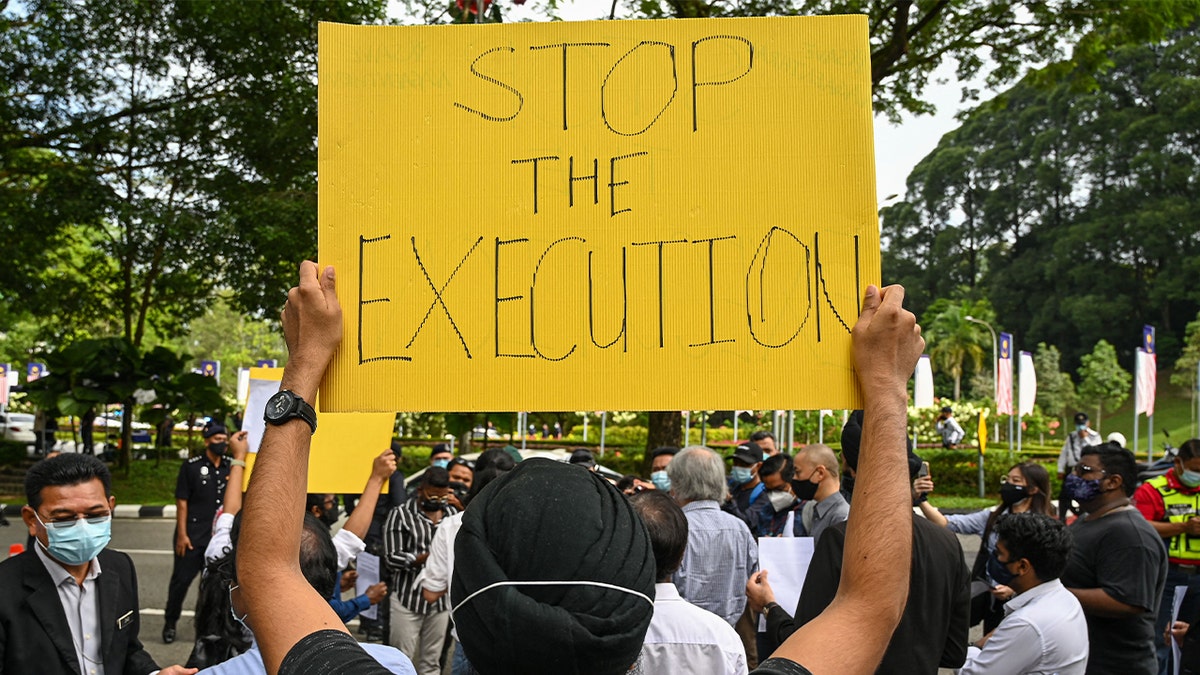
Egypt has also seen a dramatic increase in executions, particularly in cases involving terrorism or national security. The government has defended its actions as necessary to combat extremism, but human rights groups argue that the trials of those sentenced to death often fail to meet international standards of fairness.
Iraq, too, has contributed to the global rise in executions, with a notable increase in the use of the death penalty for individuals convicted of crimes such as murder and kidnapping. The country’s legal system has been criticized for its speedy trials and limited opportunities for appeal.
Why the Sudden Surge?
The reasons behind the increase in executions are complex and vary by country. In some cases, governments have used the death penalty as a way to demonstrate their commitment to law and order, particularly in the wake of high-profile crimes or terrorist attacks. Others have cited religious or cultural justifications for maintaining capital punishment, despite international opposition.
Amnesty International’s report also highlights the role of political rhetoric in driving the resurgence of executions. Some leaders have framed the death penalty as a necessary tool for maintaining security, while others have used it to silence opposition figures or minority groups. This trend is particularly concerning given the growing body of evidence that executions do not deter crime and often lead to miscarriages of justice.
the report notes that economic factors may play a role in the rise of executions. In some countries, the death penalty is seen as a cost-effective way to dispose of prisoners, particularly in overcrowded prisons where resources are limited. This utilitarian approach to capital punishment raises serious ethical questions about the value of human life.
Signs of Progress Amid the Crisis
Despite the grim global picture, We find signs that some countries are moving away from the death penalty. In 2025, several nations took steps to reduce or abolish executions entirely. For example, Kazakhstan suspended executions in 2024 and has since taken steps to commute death sentences to life imprisonment. Similarly, Mongolia abolished the death penalty in 2024, becoming the latest country to join the growing list of nations that have rejected capital punishment.
These developments are encouraging, though they remain the exception rather than the rule. The majority of countries continue to execute prisoners, often with little regard for international human rights standards. Amnesty International is calling on governments to follow the lead of Kazakhstan and Mongolia by abolishing the death penalty entirely and commuting the sentences of those currently on death row.
The organization is also urging the international community to take a stronger stance against executions. This includes pressuring governments to halt executions, ensuring that prisoners receive fair trials, and providing support for families of those who have been wrongfully executed.
What Happens Next?
The next major checkpoint for global discussions on the death penalty will be the 52nd session of the United Nations Human Rights Council, scheduled to take place in June 2026. Human rights organizations, including Amnesty International, are expected to present their findings and call for greater international action to address the crisis of executions.
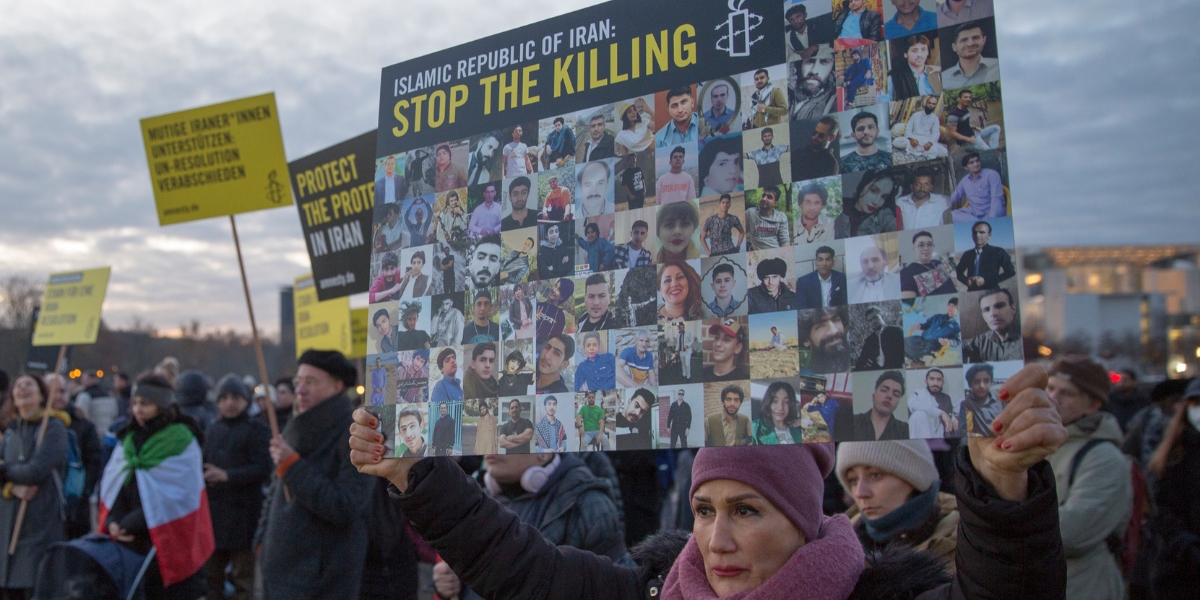
In the meantime, families of victims of state-sanctioned killings continue to demand justice. Many have turned to international courts and human rights bodies to seek accountability for the actions of their governments. The fight against the death penalty is far from over, but the recent surge in executions serves as a stark reminder of the urgent need for global action.
Key Takeaways
- Record-high executions: At least 2,707 people were executed in 2025, the highest number since 1981, with the true figure likely much higher due to underreporting.
- Leading countries: Iran, Saudi Arabia, Egypt, and Iraq accounted for the majority of executions, often targeting individuals accused of drug-related offenses, terrorism, or political dissent.
- Political tool: Executions are increasingly used as a tool of repression, with governments framing them as necessary for security or law and order.
- Signs of progress: Some countries, such as Kazakhstan and Mongolia, have taken steps to reduce or abolish the death penalty, offering hope amid the global crisis.
- International pressure: Human rights organizations are calling for greater international action, including pressure on governments to halt executions and ensure fair trials.
- Next steps: The UN Human Rights Council session in June 2026 will be a key moment for global discussions on the death penalty.
As the world grapples with the resurgence of executions, the question remains: how long will it take for governments to recognize that capital punishment is not only morally indefensible but also ineffective as a tool for justice?
What are your thoughts on the rise of executions worldwide? Share your comments below or join the conversation on social media using #EndExecutions. Together, we can demand accountability and push for a world free from state-sanctioned killings.