
Google is doubling down on its ambition to merge artificial intelligence with healthcare, launching a suite of tools designed to make medical insights more accessible, personalized, and actionable for consumers worldwide. At the heart of this push is Google Health, an evolving platform that integrates AI-driven diagnostics, wearable data aggregation, and real-time health monitoring—positioning the tech giant as a formidable competitor in the digital wellness space. While critics raise concerns about privacy and clinical accuracy, Google’s latest moves signal a seismic shift in how technology intersects with healthcare, with implications for patients, providers, and insurers alike.
The company’s strategy hinges on three pillars: AI-powered health insights, seamless integration with wearables and medical devices, and expanded access to health records and research. By leveraging its Gemini AI models and existing infrastructure—including Google Search, YouTube, and Fitbit—Google aims to create a unified ecosystem where users can track their health metrics, receive AI-generated health summaries, and even consult virtual health assistants for preliminary diagnoses. The stakes are high: If successful, this could democratize healthcare information for millions, but it also risks blurring the lines between consumer tech and medical advice.
This article explores Google’s latest health-tech initiatives, the technology underpinning them, and the broader implications for patients, healthcare providers, and regulators. We’ll also examine how these tools compare to existing offerings from Apple, Amazon, and traditional health tech startups, and what users need to know before adopting them.
Google’s AI Health Tools: What’s New and How It Works
Google’s foray into health tech isn’t new—it has been quietly building capabilities for years through acquisitions like Fitbit and partnerships with hospitals. But recent announcements mark a significant escalation in its ambitions. The centerpiece is an AI-driven health app (reportedly in development for 2026), which will aggregate data from wearables, lab results, and user-reported symptoms to generate personalized health summaries. According to internal documents obtained by Reuters, this app will use Google’s Gemini models to analyze trends, flag potential risks, and suggest preventive measures—effectively acting as a “digital health coach.”
One of the most talked-about features is AI Mode in Google Search, which allows users to ask complex health questions and receive AI-generated responses backed by clinical data. For example, a user searching “why do I feel fatigued?” might get a summary of possible causes, including dehydration, sleep deprivation, or underlying conditions like anemia, along with suggestions for next steps. Google emphasizes that these responses are not a replacement for professional medical advice but are designed to help users make informed decisions before consulting a doctor.
To power these tools, Google is investing heavily in health data interoperability. The company has partnered with major health systems, including Mayo Clinic and Cleveland Clinic, to integrate electronic health records (EHRs) into its platform. This means users with Google accounts may soon be able to connect their Fitbit data, lab results, and even prescription histories into a single dashboard—though privacy advocates warn this could create a single point of failure for sensitive data.
Key Features of Google’s Health Tech Push
What’s Changing in 2026:
- AI Mode in Search: Real-time health insights powered by Gemini, with links to clinical studies and symptom checkers.
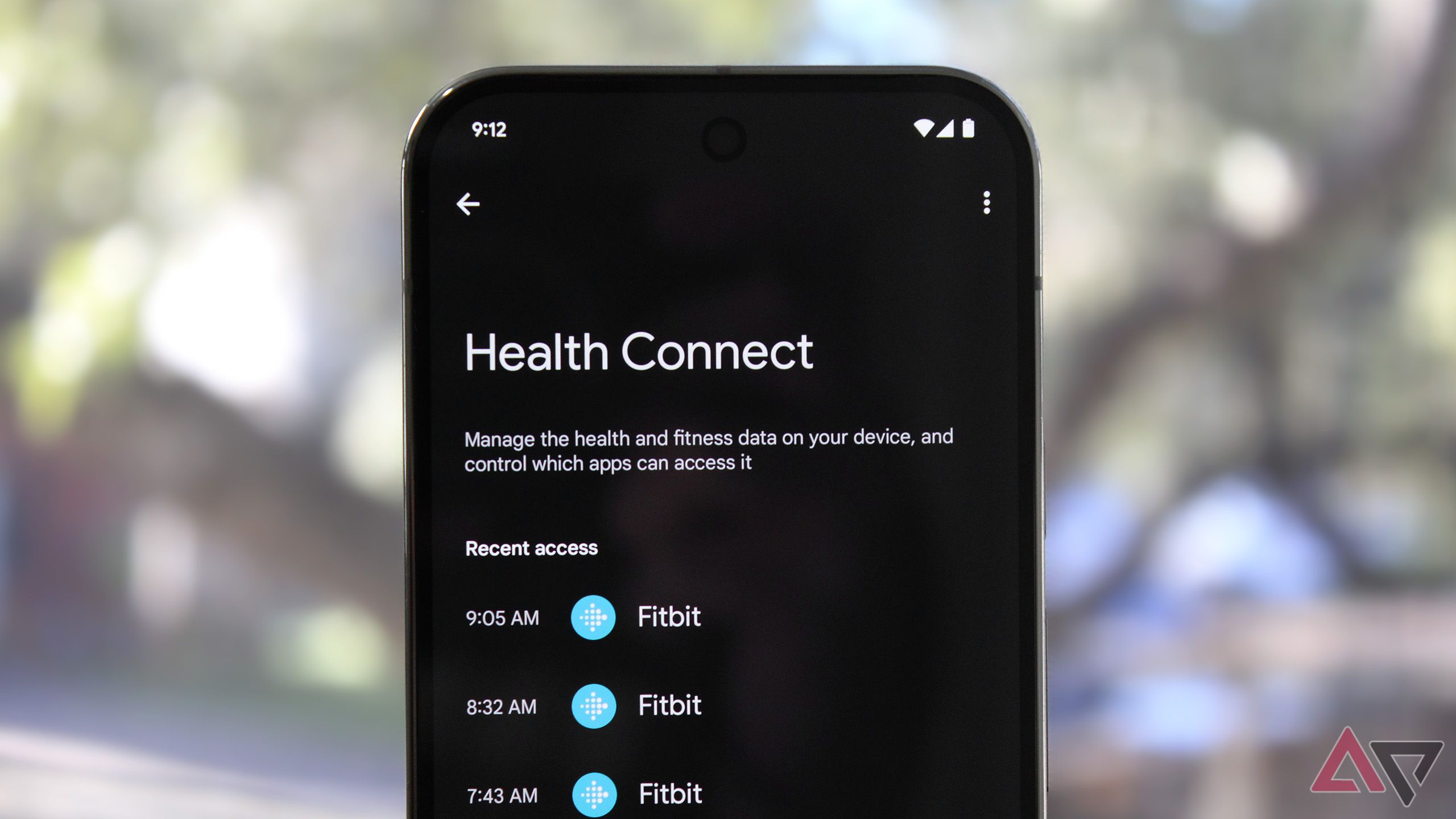
- Fitbit Integration: Seamless syncing of heart rate, sleep, and activity data with Google Health profiles.
- Health Record Aggregation: Partnerships with hospitals to pull lab results and immunizations into one dashboard.
- Virtual Health Assistant: A chatbot for preliminary triage, backed by Mayo Clinic and other medical experts.
- Privacy Controls: Granular settings to limit data sharing, though critics argue defaults may still be too permissive.
How Google’s Approach Differs from Competitors
Google isn’t the only tech giant eyeing the health market. Apple’s HealthKit and Apple Health platforms, Amazon’s Halo wearable, and startups like Omada Health (focused on chronic disease management) offer overlapping features. But Google’s advantage lies in its scale and AI infrastructure. While Apple’s tools are tightly integrated with its ecosystem, Google’s approach is more open, allowing third-party devices and health systems to plug into its platform. This could make it more attractive to hospitals and insurers looking to reduce fragmentation in patient data.

Another differentiator is Google’s focus on preventive care. Unlike Apple, which emphasizes fitness tracking, or Amazon, which is expanding into pharmacy services, Google is betting on AI to predict health risks before they become crises. For example, its algorithms might detect early signs of diabetes or hypertension by analyzing trends in blood glucose levels or blood pressure data from wearables. This aligns with a broader industry shift toward predictive health, where technology helps users avoid illness rather than just treat symptoms.
However, Google faces skepticism from healthcare professionals. Dr. Eric Topol, a digital medicine expert at Scripps Research, told The New York Times that while AI can assist in diagnostics, “it’s a dangerous illusion to think these tools can replace a doctor’s judgment.” He cautioned that Google’s models may still produce false positives or miss nuanced symptoms, particularly in underserved populations where health data is scarce.
Privacy and Security: The Biggest Wildcards
With great data comes great responsibility—and Google’s health ambitions raise significant privacy concerns. The company has faced scrutiny in the past for its data collection practices, and its health tools will likely face even more scrutiny. In a white paper published in April 2026, Google outlined its privacy-by-design principles for health data, including:
- End-to-end encryption for sensitive data in transit and at rest.
- Granular user controls to opt in or out of data sharing.
- Anonymization techniques to prevent re-identification of individuals in research datasets.
Yet, privacy advocates like Electronic Frontier Foundation (EFF) argue that Google’s default settings may still expose users to unnecessary risks. “The bar for health data should be higher than for search queries,” said EFF’s Cathy Gellis. “We’ve seen how easily third-party apps leak medical data—Google’s tools must be audited independently before they’re rolled out.”
Google has also committed to complying with global health data regulations, including the HIPAA (U.S.), GDPR (EU), and PDPA (Singapore). However, the company has not yet clarified how it will handle data from users in regions without strict privacy laws, such as parts of Africa and Southeast Asia. This could become a contentious issue as Google expands its health tools internationally.
What This Means for Patients and Providers
For consumers, Google’s health tools could offer unprecedented convenience. Imagine scheduling a doctor’s visit, checking lab results, and tracking your vitals—all from a single app. Early adopters of Google’s AI Mode in Search report that the feature has helped them understand complex medical jargon and identify symptoms they might have overlooked. One user, Maria Rodriguez, a 42-year-old teacher in Texas, told The Washington Post that the AI’s summary of her irregular heartbeat data prompted her to see a cardiologist, where she was diagnosed with early-stage atrial fibrillation.
“Before, I would ignore my Fitbit alerts because they felt too vague. But Google’s AI didn’t just say ‘your heart rate is high’—it gave me context: ‘This pattern is seen in people with thyroid issues or stress-related conditions.’ That made me take action.”
For healthcare providers, the implications are mixed. On one hand, tools that help patients monitor their health could reduce the burden on clinics by catching issues early. There’s a risk that patients may over-rely on AI and delay seeing a doctor for serious conditions. The American Medical Association (AMA) has urged Google to clearly disclaim that its AI tools are not diagnostic tools, and to provide easy pathways for users to consult a licensed professional.
Hospitals and insurers may also see Google’s move as both an opportunity and a threat. By aggregating patient data, Google could become a single source of truth for health metrics, making it easier for insurers to underwrite policies or for hospitals to coordinate care. However, if Google’s platform becomes too dominant, it could also create vendor lock-in, where patients and providers are forced to adopt Google’s ecosystem to stay competitive.
What’s Next: The Roadmap for Google Health
Google has not set a definitive launch date for its standalone health app, but internal roadmaps suggest it could arrive as early as late 2026, with broader rollouts in 2027. Key milestones to watch include:
- Q3 2026: Expanded AI Mode in Search with deeper integration of EHR data (targeting U.S. And EU users first).
- Q4 2026: Pilot program for the health app with select partners, including Kaiser Permanente.
- 2027: Global expansion of the app, with localized features for regions like India and Latin America.
- Ongoing: Regular updates to AI models based on user feedback and clinical data.
Google has also hinted at future features, such as AI-generated treatment summaries (based on user-reported symptoms and medical history) and remote monitoring for chronic conditions, which could be a game-changer for elderly or homebound patients.
Regulatory hurdles remain a wildcard. The FDA has not yet issued guidance on how to classify AI health tools, and lawmakers are debating whether to pass the Health AI Transparency Act, which would require transparency in how these systems make decisions. Google will need to navigate these challenges carefully to avoid legal pitfalls.
How to Stay Informed and Get Involved
If you’re curious about Google’s health tools—or concerned about their implications—here’s how to stay updated:
- Official Updates: Follow Google Health’s official blog for announcements and privacy policies.
- Privacy Settings: Review and adjust your Google Activity Controls to limit health data sharing.
- Clinical Trials: Participate in Google’s health research studies to help shape the tools’ development.
- Feedback Channels: Google has opened a public forum for users to report issues or suggest features.
- Advocacy Groups: Follow organizations like the HHS Office for Civil Rights for updates on health data regulations.
As Google continues to refine its health tools, the conversation around AI in medicine will only grow louder. The question for users isn’t just whether to trust these technologies, but how to use them wisely—balancing convenience with caution, innovation with oversight.
What do you think about Google’s push into health tech? Should AI be trusted with medical decisions, or are there too many risks? Share your thoughts in the comments below or on X @WorldTodayNews.