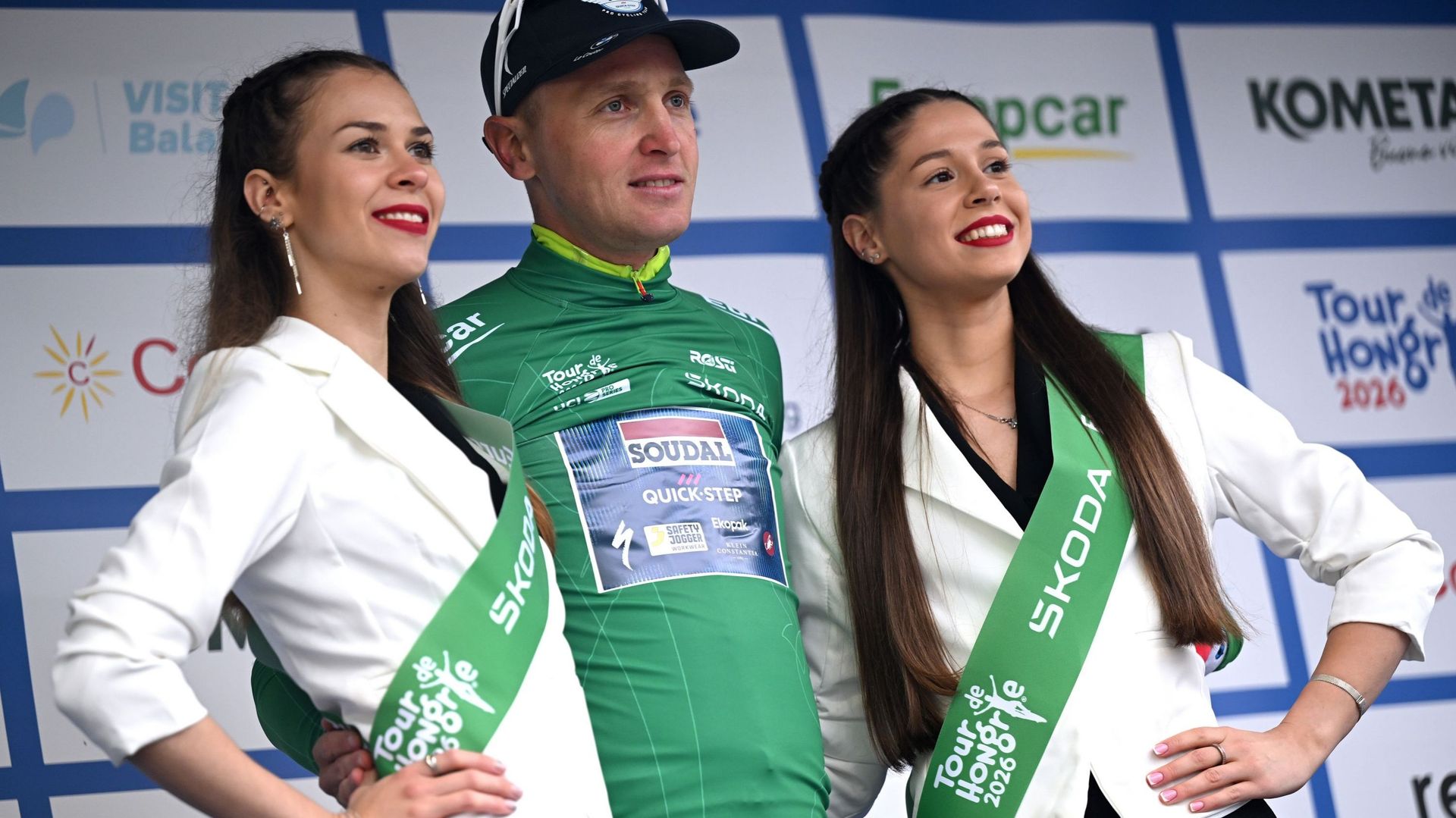
The roar of the crowd in Hungary provided a fitting soundtrack to a masterclass in sprinting. Tim Merlier, the Belgian powerhouse known for his explosive finish, has once again reminded the cycling world of his potency, securing three stage victories at the Tour de Hongrie. While the results on the road suggest a rider at the peak of his powers, Merlier remains characteristically disciplined, viewing these triumphs not as a finished product, but as essential milestones in a rigorous build-up toward the Tour de France.
For any elite sprinter, the goal of early-season races is rarely just about the trophy. it is about the “feel” of the sprint—the precise moment to launch, the ability to navigate the chaos of a charging peloton, and the raw wattage required to hold off rivals in the final 200 meters. By claiming three stages, Merlier has validated his current form and the tactical support of his team, yet his post-race reflections reveal a professional who is acutely aware of the gap between a week-long stage race and the grueling three-week odyssey of a Grand Tour.
The Tour de Hongrie served as a high-intensity laboratory for Merlier. In a sport where margins are measured in milliseconds, his dominance in Hungary provides a psychological edge. However, the Belgian’s admission that he still has “work to do” underscores the complex physiological peaking required for the Tour de France, where the challenge is not just speed, but the ability to maintain that speed after climbing thousands of meters over the Pyrenees, and Alps.
The Art of the Sprint: Merlier’s Dominance in Hungary
Tim Merlier’s performance at the Tour de Hongrie was a study in efficiency and positioning. Winning three stages in a single event is a feat that requires more than just leg strength; it requires a seamless integration between the rider and his lead-out train. Merlier’s ability to find the “slipstream” and time his acceleration perfectly allowed him to distance his competitors with a level of authority that few sprinters currently possess.
These victories are particularly significant given the competitive landscape of modern sprinting. With the emergence of younger talents and the continued dominance of established stars, Merlier’s success in Hungary serves as a statement of intent. Each win acted as a confidence builder, proving that his tactical approach to the sprint—waiting until the absolute last moment to unleash his maximum power—remains one of the most effective weapons in the professional peloton.
However, the nature of these wins also highlights why Merlier is not yet satisfied. While he dominated the flat finishes, the Tour de France presents a vastly different set of challenges. The Belgian sprinter knows that the “work” he refers to involves honing his endurance to ensure he arrives at the finish line of a 200-kilometer stage with enough energy to contest a sprint, especially after the attrition of the mountains.
Jakob Söderqvist and the Battle for the General Classification
While the sprinters fought for glory in the final meters, the overall battle for the general classification (GC) was a different story entirely. The Tour de Hongrie reached its climax during the “queen stage,” a grueling test of climbing and endurance that typically decides the overall winner. It was here that Jakob Söderqvist asserted his dominance, claiming victory on the most tricky stage of the race and seizing the lead in the general classification.
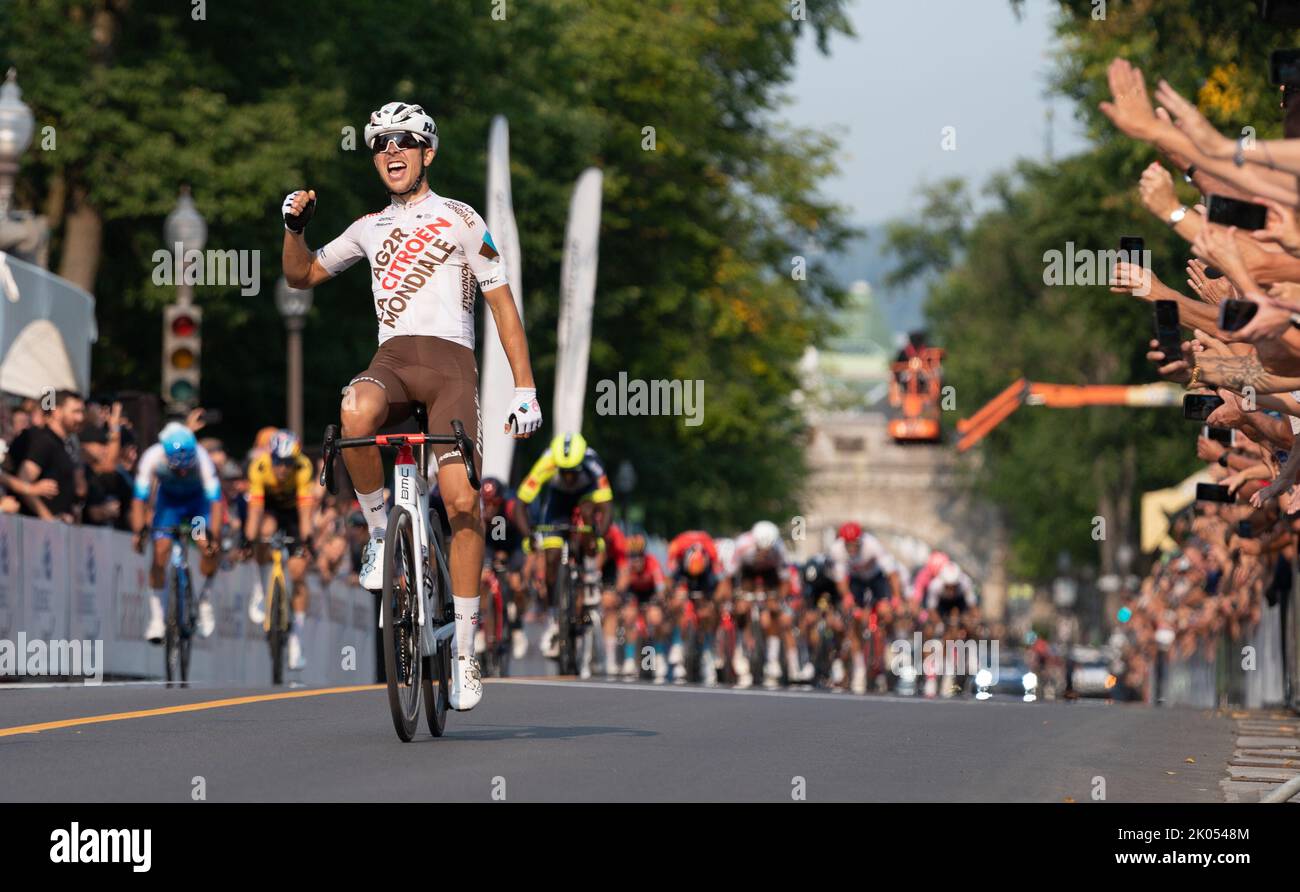
Söderqvist’s victory on the queen stage was a tactical triumph. In professional cycling, the queen stage is the one with the most significant elevation gain and the most challenging climbs, designed to break the will of the contenders. By winning this stage and taking the yellow jersey, Söderqvist demonstrated a superior power-to-weight ratio and the mental fortitude to manage a lead under intense pressure from chasing rivals.
The contrast between Merlier’s sprint victories and Söderqvist’s GC triumph illustrates the two distinct worlds of professional cycling. While Merlier seeks the explosive, anaerobic peak required for a 15-second burst of speed, Söderqvist relies on aerobic capacity and sustained effort over several hours. Together, their successes provided the Tour de Hongrie with a complete narrative of athletic excellence, from the raw speed of the flats to the grinding endurance of the peaks.
Controversy and the Role of the Commissaires
The race was not without its moments of friction. A significant point of contention arose surrounding French rider Cosnefroy and the decisions made by the race commissaires. In the high-stakes environment of a professional sprint, the line between aggressive racing and illegal maneuvering is often razor-thin, and the decisions of the officials can change the outcome of a race in an instant.
The controversy involving Cosnefroy centered on the interpretation of the rules regarding positioning and interference during a critical phase of the race. When commissaires intervene—either by relegating a rider or disqualifying them—it often sparks intense debate among teams and fans. In this instance, the decision left many questioning whether the rules were applied consistently, highlighting the ongoing tension between the desire for aggressive racing and the necessity of rider safety.
For the riders, such controversies are an occupational hazard. The ability to maintain focus despite perceived injustices is part of the mental toughness required at the WorldTour level. While the debate over Cosnefroy’s situation continued in the press and on social media, the race moved forward, reminding everyone that the commissaires’ word is final, regardless of how polarizing the decision may be.
The Road to the Tour de France: Why the Work Continues
For Tim Merlier, the Tour de Hongrie is a means to an end. His statement—”I still have work to do before tackling the Tour de France”—is a reflection of the meticulous preparation that goes into the world’s most prestigious cycling race. Winning in Hungary is a positive indicator, but it is not a guarantee of success in July.
The “work” Merlier refers to likely encompasses several key areas of preparation:
- Altitude Training: Many top riders spend weeks at high-altitude camps to increase their red blood cell count and improve oxygen transport, a critical factor for surviving the mountain stages of the Tour.
- Weight Management: Sprinters must balance the need for raw muscle mass in their legs with the necessity of being light enough to crest mountain passes within the time limit.
- Tactical Refinement: Studying the route of the Tour de France to identify which stages are “sprinter-friendly” and coordinating with the lead-out train to optimize their approach to those specific finishes.
- Recovery Protocols: Developing a regime that allows the body to recover quickly between stages, as the cumulative fatigue of 21 days of racing is the primary enemy of any athlete.
The psychological aspect is equally important. By acknowledging that he is not yet “ready,” Merlier avoids the trap of complacency. In the world of elite sports, the moment a rider believes they have peaked is often the moment they begin to slide. By maintaining a growth mindset, Merlier ensures that he will continue to push his limits until the moment he rolls off the start line in France.
Understanding the Impact of the Tour de Hongrie
The Tour de Hongrie serves as more than just a training ground for individuals; it is a vital part of the global cycling calendar that allows teams to test their chemistry. For a sprinter like Merlier, the race is a dress rehearsal for the synchronized effort required during a Grand Tour. The coordination between the “road captain,” the “lead-out man,” and the sprinter must be instinctive.
When a team executes a perfect lead-out, it looks like a choreographed dance. The road captain keeps the team at the front of the peloton, the lead-out men peel off one by one to maintain high speed, and the sprinter launches their attack in the final 200 meters. Merlier’s three wins in Hungary suggest that his team is operating with high efficiency, providing him with the platform he needs to succeed.
For the fans and the sport, these races build the narrative for the summer. The dominance of a rider like Merlier creates anticipation, setting the stage for the inevitable clashes between the world’s fastest men on the boulevards of France. The Tour de Hongrie has effectively signaled that Merlier is a primary contender for the green jersey, provided he completes the “work” he has identified as necessary.
Key Takeaways from the Tour de Hongrie
- Tim Merlier’s Form: The Belgian sprinter secured three stage wins, demonstrating elite speed and tactical positioning.
- GC Dominance: Jakob Söderqvist claimed the overall victory after a decisive win on the race’s queen stage.
- Regulatory Tension: Decisions by race commissaires regarding rider Cosnefroy sparked significant controversy, highlighting the complexities of sprint officiating.
- Tour de France Outlook: Despite his success, Merlier views his performance as part of a building process, emphasizing the need for further preparation before the Grand Tour.
As the cycling world shifts its gaze toward the Tour de France, the lessons learned in Hungary will be invaluable. For Jakob Söderqvist, the victory is a career-defining achievement. For Tim Merlier, it is a successful chapter in a larger story of preparation and ambition. The road to France is long and arduous, but for those who treat every victory as a stepping stone rather than a destination, the rewards can be historic.
The next major checkpoint for the peloton will be the final series of tune-up races and altitude camps leading into the Tour de France. Fans can expect official team rosters and final preparation updates to be released in the coming weeks as the riders enter their final peaking phase.
Do you think Tim Merlier is the favorite for the sprints this year, or will the mountain stages take too much out of him? Share your thoughts in the comments below and subscribe for more expert cycling analysis.